Ai In Cybersecurity: How European Businesses Can Detect Threats And Strengthen Digital Security
AI in Cybersecurity: A Guide for European Businesses
Digital transformation has created new opportunities for European businesses. Startups can reach international customers, small companies can automate operations, and established organisations can manage increasingly complex digital services. However, greater digital connectivity also creates more opportunities for cybercriminals.
Phishing emails, ransomware, compromised business accounts, data breaches and software vulnerabilities can disrupt operations and damage customer trust. For a small company, even a single serious incident can result in unexpected costs, lost revenue and reputational harm.
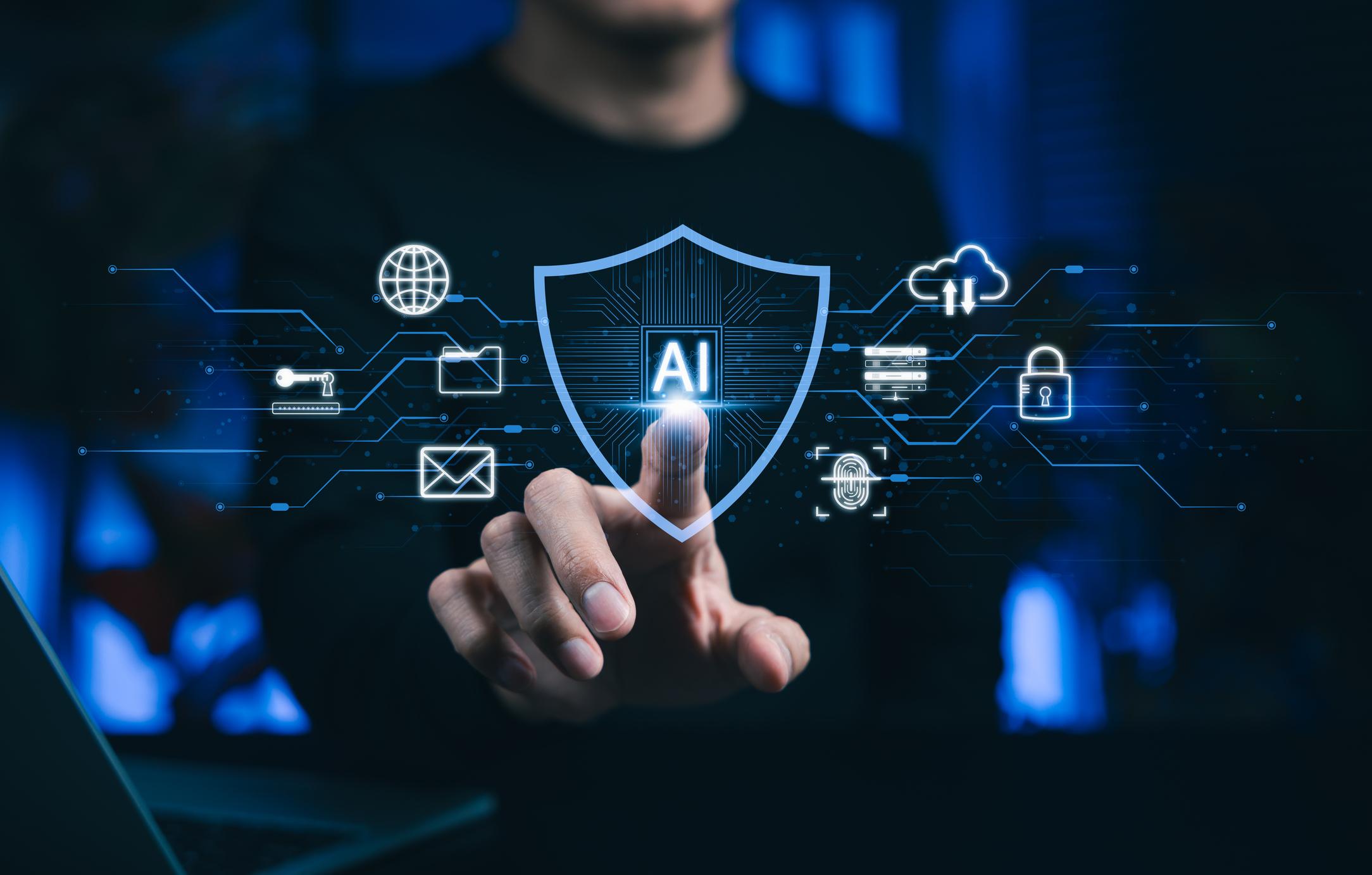
Traditional cybersecurity methods remain essential, but businesses are increasingly exploring artificial intelligence (AI) to strengthen their defences. AI-powered systems can analyse large volumes of security data, identify unusual behaviour and help security teams prioritise potential threats.
For European entrepreneurs, the opportunity is not simply to purchase the latest security technology. It is to combine AI with strong security fundamentals, trained employees and clear business processes.
What Is AI-Powered Cybersecurity?
AI-powered cybersecurity uses machine learning, pattern recognition, natural language processing and other AI techniques to support the protection of digital systems, networks and information.
Traditional security tools often rely on predefined rules, known malicious signatures and manually configured alerts. These remain valuable, particularly for detecting established threats. AI can complement them by identifying patterns across large datasets and highlighting activity that may otherwise be difficult to recognise.
For example, an employee might normally log in from one country during standard working hours. If the same account suddenly attempts to access sensitive information from an unfamiliar location while downloading unusually large amounts of data, an AI-assisted security system may flag the behaviour for investigation.
The alert does not automatically prove that an attack has occurred. Instead, it gives the security team a reason to investigate before the activity causes further damage.
1. Detecting Cyber Threats Before They Escalate
One of the most useful applications of AI in cybersecurity is threat detection.
Businesses generate substantial amounts of security information through firewalls, endpoints, cloud platforms, email services and network monitoring systems. Analysing every event manually can be difficult, especially for companies with small IT teams.
AI-powered security platforms can help by:
Identifying unusual login patterns and suspicious account activity.
Detecting abnormal network traffic and potentially malicious behaviour.
Connecting related alerts from different systems.
Highlighting activity that may indicate malware or unauthorised access.
Prioritising suspicious events according to their potential impact.
Consider a European e-commerce startup that processes online orders throughout the day. An AI-assisted monitoring platform might identify a sudden increase in failed login attempts followed by successful access to several customer accounts. By correlating these events, the platform can help the security team investigate a possible account takeover.
Early detection can reduce the time between an attack beginning and a business responding. However, performance depends on the quality of available data, system configuration and the ability of security professionals to validate alerts.
2. Strengthening Phishing and Email Security
Phishing remains a significant risk because it targets people rather than relying exclusively on technical weaknesses.
Cybercriminals may send convincing emails pretending to be suppliers, customers, executives or financial institutions. Some messages request payments, while others attempt to steal passwords or persuade employees to open malicious attachments.
Generative AI can make fraudulent messages more fluent, personalised and convincing. As a result, spelling mistakes and awkward grammar are no longer reliable indicators of a phishing attempt.
AI-assisted email security can examine several signals, including:
Suspicious links and attachment behaviour.
Sender identity and domain reputation.
Unusual communication patterns.
Language associated with impersonation or financial fraud.
Differences between an email and the sender's established behaviour.
For example, an employee may receive a message that appears to come from a company director requesting an urgent supplier payment. An AI-powered system could flag the unusual request or identify inconsistencies in the sender information.
Businesses should also establish independent payment verification procedures. Employees should confirm sensitive financial requests through a trusted communication channel instead of relying solely on email.
AI can support detection, but employee awareness and clear approval processes remain critical.
3. Identifying Software Vulnerabilities
Software vulnerabilities can expose business systems to unauthorised access, information theft or service disruption. Startups often operate with limited technical resources, making it challenging to review every application, dependency and infrastructure component.
AI-assisted security tools can help development and security teams identify suspicious code patterns, analyse dependencies, summarise vulnerability findings and prioritise remediation work.
For businesses developing web applications or APIs, these capabilities can support secure software development by helping teams understand potential weaknesses earlier in the development process.
However, AI-generated security findings require careful validation. A tool may produce false positives, overlook important vulnerabilities or misunderstand how an application works.
A practical vulnerability management process should include:
Maintaining an inventory of applications, servers and dependencies.
Conducting authorised vulnerability assessments and security testing.
Evaluating findings based on severity, exploitability and business impact.
Assigning remediation responsibilities and deadlines.
Retesting systems after fixes have been applied.
AI can help teams work more efficiently, but it should not replace proper testing, code review or qualified security assessments.
4. Automating Security Operations
Security teams often spend significant time reviewing repetitive alerts, collecting information and preparing incident reports.
AI can help automate parts of these workflows. Depending on the platform and configuration, it may summarise alerts, correlate security events, recommend investigation steps and generate initial incident documentation.
For example, when a suspicious endpoint event occurs, an AI-assisted system might gather related login records, identify other affected devices and present a summary for an analyst.
More advanced security automation can perform approved actions, such as isolating a device or disabling a compromised account. These actions should be governed by carefully defined permissions, safeguards and escalation procedures.
A sensible approach is to begin with low-risk tasks, such as alert summarisation and reporting. Businesses can introduce more autonomous actions only after testing the system and establishing appropriate controls.
5. Protecting Cloud Platforms and Remote Workforces
Many European businesses rely on cloud applications, remote working tools, online collaboration platforms and third-party services. These environments create additional security considerations because users and data may be distributed across multiple locations.
AI-assisted cloud security tools can help identify unusual access patterns, misconfigured resources, suspicious data transfers and potentially compromised accounts.
For example, a business might receive an alert when a user account begins accessing sensitive files outside its usual activity pattern. Security teams can investigate the event, check whether the access was authorised and take appropriate action.
AI should complement foundational controls such as multi-factor authentication, least-privilege access, secure configuration, regular software updates and reliable backups. These measures remain essential even when advanced detection tools are available.
6. The Risks of Using AI in Cybersecurity
AI offers valuable defensive capabilities, but it also introduces risks that business leaders must understand.
False positives and missed threats
AI systems may flag legitimate activity as suspicious or fail to detect an attack. Excessive false alarms can overwhelm security teams, while missed detections may create a false sense of security.
Businesses should evaluate tools against realistic scenarios, monitor performance and maintain alternative detection methods.
Privacy and sensitive information
Security logs, customer records and employee activity may contain personal or confidential information. Sending this data to an external AI service without appropriate safeguards could create privacy, contractual or regulatory problems.
Organisations should understand how vendors process, store and retain submitted data. Access controls, data minimisation and approved processing arrangements should be part of the deployment plan.
AI systems can also be attacked
AI applications can be exposed to threats such as prompt injection, manipulated inputs, data poisoning and unauthorised access to connected tools. An AI security assistant with excessive permissions could create additional risks if compromised or misled.
Businesses should restrict permissions, separate trusted instructions from untrusted content, test AI systems and maintain audit logs.
Overreliance on automation
An AI system should not be treated as an infallible security expert. High-impact decisions, such as shutting down critical infrastructure or deleting important data, require appropriate safeguards and human oversight.
The objective is to improve the quality and speed of security decisions—not to remove accountability.
7. What European Businesses Should Know About Regulation
European businesses must consider data protection and cybersecurity obligations when introducing AI into their operations.
The General Data Protection Regulation (GDPR) may apply when AI-enabled security systems process personal data. Organisations should assess their lawful basis, data minimisation, security safeguards, retention practices and other applicable obligations.
The EU AI Act follows a phased implementation timeline. As of October 2026, certain provisions—including applicable transparency requirements—are in effect, while specific high-risk AI obligations have later application dates. Businesses should review the latest official guidance and assess their obligations based on how their AI systems are developed and used.
The NIS2 Directive also establishes cybersecurity risk-management and incident-reporting requirements for covered entities in specified sectors. Whether a particular company falls within its scope depends on factors including its activities, size, sector and applicable national implementation.
Importantly, using AI for cybersecurity does not automatically make a company compliant with these laws. Organisations should assess their actual legal obligations and obtain specialist advice where necessary.
8. How Startups Can Adopt AI Cybersecurity on a Practical Budget
Small businesses do not necessarily need an expensive AI security platform to begin improving their defences. A phased approach can help them identify useful capabilities without creating unnecessary complexity.
Step 1: Review the existing security environment. Identify critical systems, business data, user accounts and the most likely threats. Check whether multi-factor authentication, backups, patching and endpoint protection are in place.
Step 2: Prioritise immediate risks. Address weak passwords, excessive access permissions, unsupported software and missing backups before investing in advanced AI features.
Step 3: Evaluate existing security tools. Check whether current email, endpoint, cloud or identity-management platforms already provide AI-assisted detection. Use available capabilities before adding overlapping products.
Step 4: Start with one use case. Choose a measurable problem, such as identifying phishing emails, reducing alert review time or improving vulnerability prioritisation.
Step 5: Test before expanding. Compare the system's findings with verified security events. Measure false positives, missed detections, response time and the workload created for staff.
Step 6: Establish clear responsibilities. Decide who reviews alerts, approves automated actions, handles incidents and evaluates vendor performance.
Step 7: Review results regularly. Security threats and business systems change over time. Reassess configurations, access rights, incident procedures and AI performance at regular intervals.
This approach enables entrepreneurs to build security maturity gradually while keeping business priorities and costs under control.
Conclusion: Building a Smarter Cybersecurity Strategy
AI is changing how businesses identify, investigate and respond to cyber threats. From suspicious login detection and phishing analysis to vulnerability prioritisation and security operations automation, it can help European companies make better use of their security resources.
Nevertheless, AI is not a complete cybersecurity solution. Its effectiveness depends on reliable data, appropriate configuration, human expertise and sound security practices.
For startups and established businesses alike, the strongest strategy is to combine AI-assisted monitoring with multi-factor authentication, regular updates, secure development, employee training, tested backups and a clear incident response plan.
Entrepreneurs who adopt these technologies thoughtfully can improve their ability to manage digital risks while building customer confidence and supporting long-term business growth.
As AI becomes more widely integrated into business operations, cybersecurity should be treated as an essential part of innovation—not an afterthought.


.jpg)