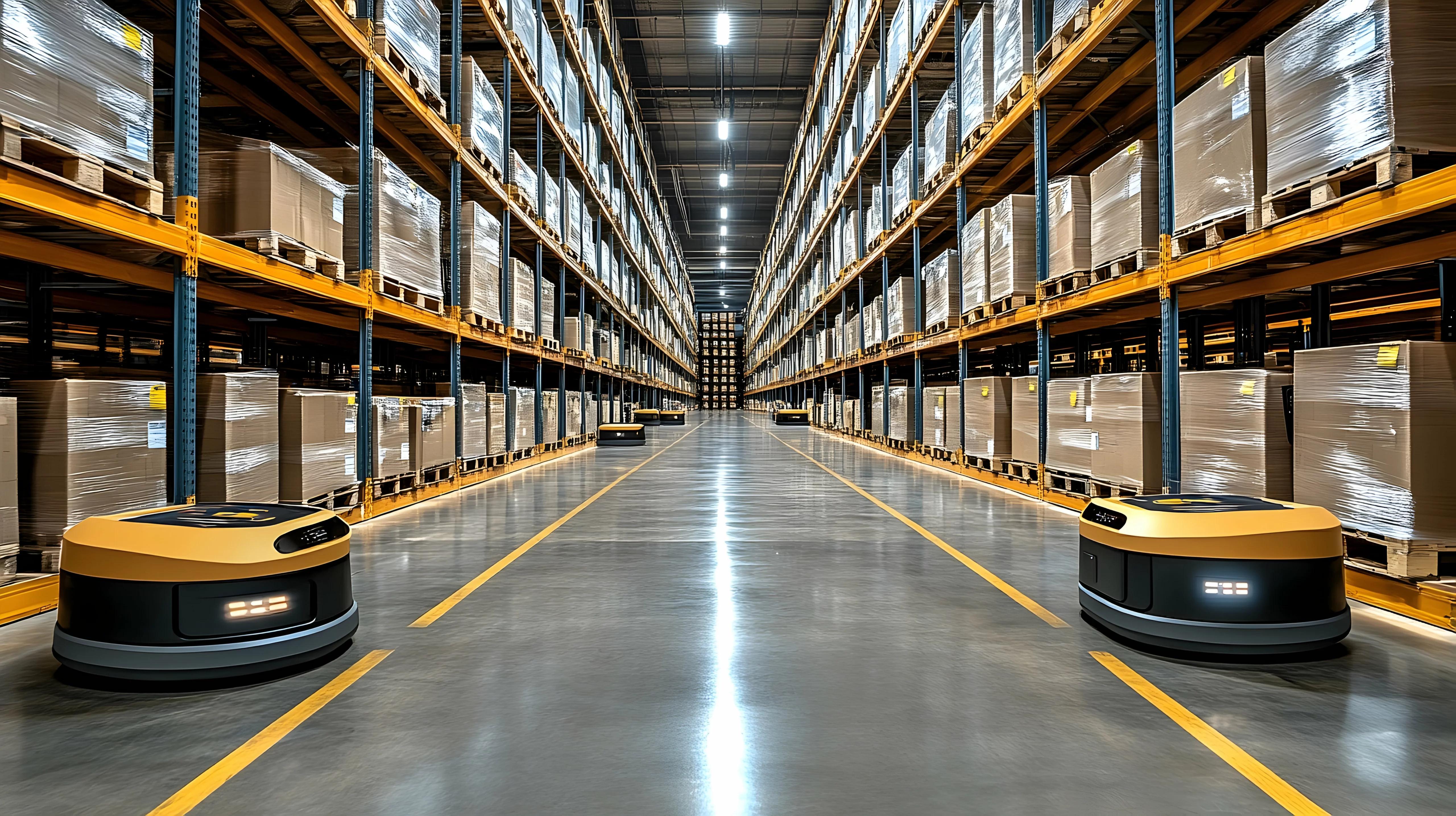
How Digital Transformation Is Changing The Way European Companies Operate
How Digital Transformation Is Changing European Businesses

Running a business today involves much more than selling a good product or providing a reliable service. Companies must communicate with customers, manage finances, coordinate employees, protect information and make decisions in an increasingly competitive market.
Digital technology is changing how businesses handle these responsibilities. From online payment systems and cloud software to artificial intelligence and automated customer support, companies now have access to tools that can make everyday work faster and more organized.
This change is commonly known as digital transformation.
For European companies, digital transformation is not simply about buying new computers or moving paperwork online. It is about finding better ways to operate, serve customers and respond to changes in the market.
A small retailer might introduce an online store to reach customers beyond its local area. A manufacturer could use sensors to identify problems with machinery before production stops. A consulting firm might use cloud software to coordinate projects with clients in different countries.
Each example involves technology, but the real objective is business improvement.
Digital transformation also brings challenges. Companies must consider costs, employee training, cybersecurity, data protection and the possibility that a new system may not deliver the expected results.
The most successful approach is to start with a clear business need and choose technology that solves it.
1. What Digital Transformation Really Means
Digital transformation refers to the use of digital technology to improve how an organization works and delivers value to customers.
It can involve changing internal processes, introducing new services, improving customer communication or developing an entirely different business model.
It is helpful to distinguish digital transformation from basic digitization.
Digitization means converting information into a digital format. For example, a company might scan paper invoices and store them electronically.
Digitalization involves using digital tools to improve an existing process. The same company might introduce accounting software that automatically organizes invoices and helps track payments.
Digital transformation goes further. The company might redesign its entire invoicing and payment process, connect it to its customer management system and use the resulting information to improve cash-flow planning.
The difference matters because installing software does not automatically make a business more efficient.
A company can spend thousands of euros on a new platform and still experience the same delays if employees do not understand how to use it or if its processes remain unnecessarily complicated.
Business owners should therefore consider the full process, not just the technology.
Before making an investment, they should identify the problem, define the desired result and decide how success will be measured.
For example, a business might aim to reduce the time needed to prepare monthly financial reports, improve response times to customer enquiries or reduce errors in stock records.
Clear objectives make it easier to choose the right tools and determine whether the investment is worthwhile.
2. Cloud Technology Is Making Business Operations More Flexible
Cloud computing allows companies to use software, storage and computing resources over the internet rather than relying entirely on systems located in their own offices.
This can make business operations more flexible, especially for organizations with employees, clients or suppliers in different locations.
A small consultancy, for example, can use cloud-based project management software to assign tasks, share documents and monitor deadlines. Employees can access the information they need without depending on a single office computer.
Cloud accounting tools can help business owners review invoices and expenses, while online collaboration platforms make it easier for teams to work together remotely.
These systems can also reduce the need to purchase and maintain some types of physical IT infrastructure. Depending on the service, the provider may manage updates, availability and parts of the security process.
However, cloud services are not automatically cheaper or safer than every alternative. Subscription fees can increase as a company grows, and businesses remain responsible for managing access, selecting suitable providers and protecting sensitive information.
Companies should review service terms, backup arrangements, recovery options and data protection requirements before choosing a platform.
They should also understand what happens if the internet connection fails or the provider experiences an outage.
A good cloud strategy focuses on reliability and business continuity, not simply convenience.
3. Automation Is Reducing Repetitive Work
Many employees spend time completing tasks that follow the same pattern every day. These may include entering information into spreadsheets, sending appointment reminders, processing routine documents or updating customer records.
Automation can reduce the amount of manual work involved in such activities.
For example, an online retailer could configure its system to send order confirmations automatically. A professional services firm might create a workflow that reminds clients when invoices are due. A logistics company could automate notifications when a shipment reaches a particular stage.
These improvements can help employees focus on tasks that require judgement, creativity and personal interaction.
Automation can also reduce certain types of human error, although poorly designed workflows can create mistakes at scale. Processes must be tested, monitored and updated when business requirements change.
Entrepreneurs should begin with tasks that are repetitive, clearly defined and relatively low-risk.
They should calculate the full cost of implementation, including software, setup, training and ongoing maintenance.
It is also important to involve employees in the process. Workers often understand the practical difficulties of existing systems and can identify where automation would be most useful.
Automation should improve how people work rather than introduce unnecessary complexity.
4. Artificial Intelligence Is Creating New Business Opportunities
Artificial intelligence (AI) is becoming an increasingly important part of digital transformation. Businesses are using AI tools to support research, analyse information, draft content and improve customer service.
According to Eurostat, 20% of EU enterprises with at least 10 employees used AI technologies in 2025, up from 13.5% in 2024.
This growth shows that AI is moving beyond experimentation and becoming part of everyday business operations.
A marketing agency might use AI to brainstorm campaign ideas. A customer service team could use it to categorize incoming enquiries. A manufacturer might analyse production data to identify patterns that could indicate equipment problems.
Small businesses can also benefit from AI without developing their own technology. Many tools are available through existing software platforms, allowing companies to test selected features without building complex systems.
However, AI-generated information can be inaccurate, incomplete or unsuitable for a particular situation. Businesses should review important outputs before using them, particularly when decisions involve finances, legal responsibilities, employment or customer information.
Companies must also consider confidentiality. Employees should not upload sensitive business documents or personal data into AI tools unless the use is permitted under company policies and applicable data protection requirements.
The best approach is to begin with a clearly defined task. A business could test whether AI reduces the time required to prepare routine reports, then compare the results with its existing process.
AI should support human judgement rather than replace accountability. Its value depends on whether it improves the quality, speed or cost of the work being performed.
5. Data Is Helping Companies Make Better Decisions
Businesses generate information through sales, customer interactions, financial transactions, website visits and daily operations.
When this information is organized properly, it can help managers understand what is happening inside the company and where improvements may be needed.
For example, an online retailer can examine which products sell most frequently, which marketing channels bring customers and where shoppers abandon their purchases. A professional services firm can track how long projects take and identify the causes of delays.
These insights allow decisions to be based on evidence instead of guesswork.
A company does not need an expensive analytics platform to begin. A well-maintained spreadsheet and a few meaningful performance indicators may be enough for a small operation.
As the business grows, it may benefit from dashboards that combine information from different systems.
However, more data does not automatically lead to better decisions. Information must be accurate, relevant and interpreted in the right context.
Businesses should choose measures that connect directly to their goals. If the objective is to improve customer retention, for instance, tracking repeat purchases may be more useful than focusing only on website traffic.
Data protection is equally important. Companies should collect only the information they need, restrict access appropriately and follow relevant privacy requirements.
Used responsibly, data can help organizations identify problems earlier, understand customers more clearly and make more informed decisions.
6. Cybersecurity Must Be Part of Digital Transformation
As businesses become more dependent on digital systems, cybersecurity becomes a core business responsibility.
A company may rely on cloud storage, email, online payments, customer databases and remote access tools. If one of these systems is compromised or becomes unavailable, the impact can extend beyond the IT department.
A cyber incident could interrupt operations, expose confidential information, delay payments or damage customer trust.
Smaller companies may be particularly vulnerable when they lack dedicated security staff or formal procedures. Yet many essential security improvements are practical and affordable.
Businesses should use multifactor authentication where available, apply security updates promptly, maintain reliable backups and restrict access according to employees' responsibilities.
Staff training is also important. Employees should know how to identify suspicious emails, verify unusual payment requests and report potential security incidents.
Companies should review the security of their suppliers and software providers as well. A business can face risks through third-party services even when its own systems are carefully managed.
Backups should be protected against unauthorized access and tested periodically to confirm that data can actually be restored.
Digital transformation should never focus exclusively on convenience. A system that saves time but exposes important business information to unnecessary risk may create more problems than it solves.
Security should be considered when choosing and configuring technology, rather than added only after an incident occurs.
7. Employees Need Training and Support
Introducing new technology changes how people perform their work. Even a useful system can create frustration if employees do not understand its purpose or feel unprepared to use it.
For this reason, employee training should be part of every significant digital transformation project.
Training does not always require formal courses. Businesses can provide demonstrations, simple guides, practical exercises and opportunities for employees to ask questions.
Managers should explain why a new tool is being introduced, which tasks will change and how success will be measured.
Employees should also have an opportunity to provide feedback. They may identify difficulties that were overlooked during planning or suggest improvements that make the system easier to use.
Digital skills are particularly important as AI and automation become more common. Workers may need to learn how to evaluate AI-generated information, manage digital records or interpret reports produced by new software.
The European Commission's Digital Decade programme identifies digital skills and the adoption of technology by businesses as important priorities for Europe's digital development.
Companies that invest in their employees can make technology adoption more effective and reduce dependence on a small number of people who understand the systems.
The objective is not to turn every employee into a technology specialist. It is to ensure that people have the skills and support required to perform their roles confidently.
8. How European Companies Can Start Their Digital Transformation
Digital transformation can appear overwhelming when businesses consider cloud computing, AI, automation, analytics and cybersecurity at the same time.
A more practical approach is to introduce changes in stages.
Step 1: Identify the biggest problem. Review daily operations and identify tasks that consume too much time, create frequent errors or make customer service difficult.
Step 2: Set a measurable goal. Decide what improvement would make a meaningful difference. This could involve reducing invoice-processing time, responding to customer enquiries faster or improving inventory accuracy.
Step 3: Compare suitable tools. Consider cost, ease of use, integration, support, security and data protection. Choose technology that fits the company's needs rather than purchasing the most advanced product available.
Step 4: Test before expanding. Run a small pilot with a limited team or process. Gather feedback and identify problems before rolling the solution out across the company.
Step 5: Train employees. Provide clear instructions and make sure employees understand how the new system fits into their responsibilities.
Step 6: Review the results. Compare actual performance against the original goal. If the tool does not deliver sufficient value, investigate why before spending more money.
Step 7: Improve continuously. Business needs change over time. Review systems regularly and update processes when customer expectations, security requirements or operational priorities change.
This approach makes digital transformation easier to manage and helps businesses avoid unnecessary investment.
Conclusion
Digital transformation is changing how European companies manage operations, communicate with customers and compete in their markets.
Cloud services can make collaboration easier. Automation can reduce repetitive work. AI can support selected tasks, while data analytics can help managers make more informed decisions.
However, technology alone does not guarantee better business performance. Companies must select suitable tools, protect information, train employees and measure whether their investments produce meaningful results.
For small and medium-sized businesses, the most effective strategy is often to start with one clear problem and solve it well before moving to the next.
European companies do not need to adopt every new technology to remain competitive. They need to understand their own requirements and use digital tools in ways that support their customers, employees and long-term business goals.
When technology is introduced thoughtfully, digital transformation becomes more than an IT project. It becomes a practical way to build a more efficient, adaptable and resilient business.