Sustainability And Profitability: Can European Businesses Achieve Both?
Discover how European businesses can improve sustainability
For European businesses, sustainability is no longer simply a topic for environmental campaigns or corporate responsibility reports. It is increasingly connected to everyday business decisions, including energy use, purchasing, transport, product design and long-term investment.
At the same time, companies must remain financially healthy. They need to pay employees, manage operating expenses, compete for customers and generate enough profit to invest in future growth. For small and medium-sized businesses in particular, every major expense must be considered carefully.
This creates an important question: can a company become more sustainable without reducing its profitability?
In many cases, the answer is yes. Reducing energy consumption, avoiding material waste, improving logistics and designing longer-lasting products can lower costs while reducing environmental impact. Sustainability can also help businesses respond to customer expectations, prepare for changing regulations and identify new market opportunities.
However, sustainable business practices do not automatically generate savings. Some improvements require substantial upfront investment, and the financial benefits may take years to appear. Companies must therefore approach sustainability as a business strategy, not simply as a marketing message.
For European entrepreneurs, the real opportunity is to identify changes that make environmental sense while also supporting a stronger, more resilient business.
1. Start with Sustainability Measures That Reduce Costs
One of the easiest ways to connect sustainability with profitability is to look for waste in daily operations.
Businesses often spend money on resources they do not use efficiently. This can include electricity, heating, water, packaging, raw materials and transport. Reducing unnecessary consumption can lower operating costs while reducing environmental impact.
For example, a manufacturer could examine its production process to identify where raw materials are wasted. A restaurant could track food waste and adjust purchasing quantities according to customer demand. An office-based business could reduce paper use, improve heating controls and switch off equipment when it is not needed.
These improvements may seem small individually, but regular savings can become meaningful over a year.
A practical starting point is to review the company's largest resource expenses. Measure current consumption, identify the main sources of waste and set a realistic improvement target.
Businesses should then track the results. If electricity consumption falls after installing more efficient lighting, for example, compare the energy bills before and after the change. This helps confirm whether the investment is delivering the expected financial benefit.
The key is to treat sustainability as an operational improvement process rather than a collection of isolated environmental activities.
2. Improve Energy Efficiency and Explore Renewable Power
Energy efficiency can be especially valuable for companies operating factories, warehouses, hotels, shops and other energy-intensive premises.
Businesses can begin with relatively simple improvements, such as LED lighting, better insulation, efficient heating and cooling systems, motion sensors and regular maintenance of equipment.
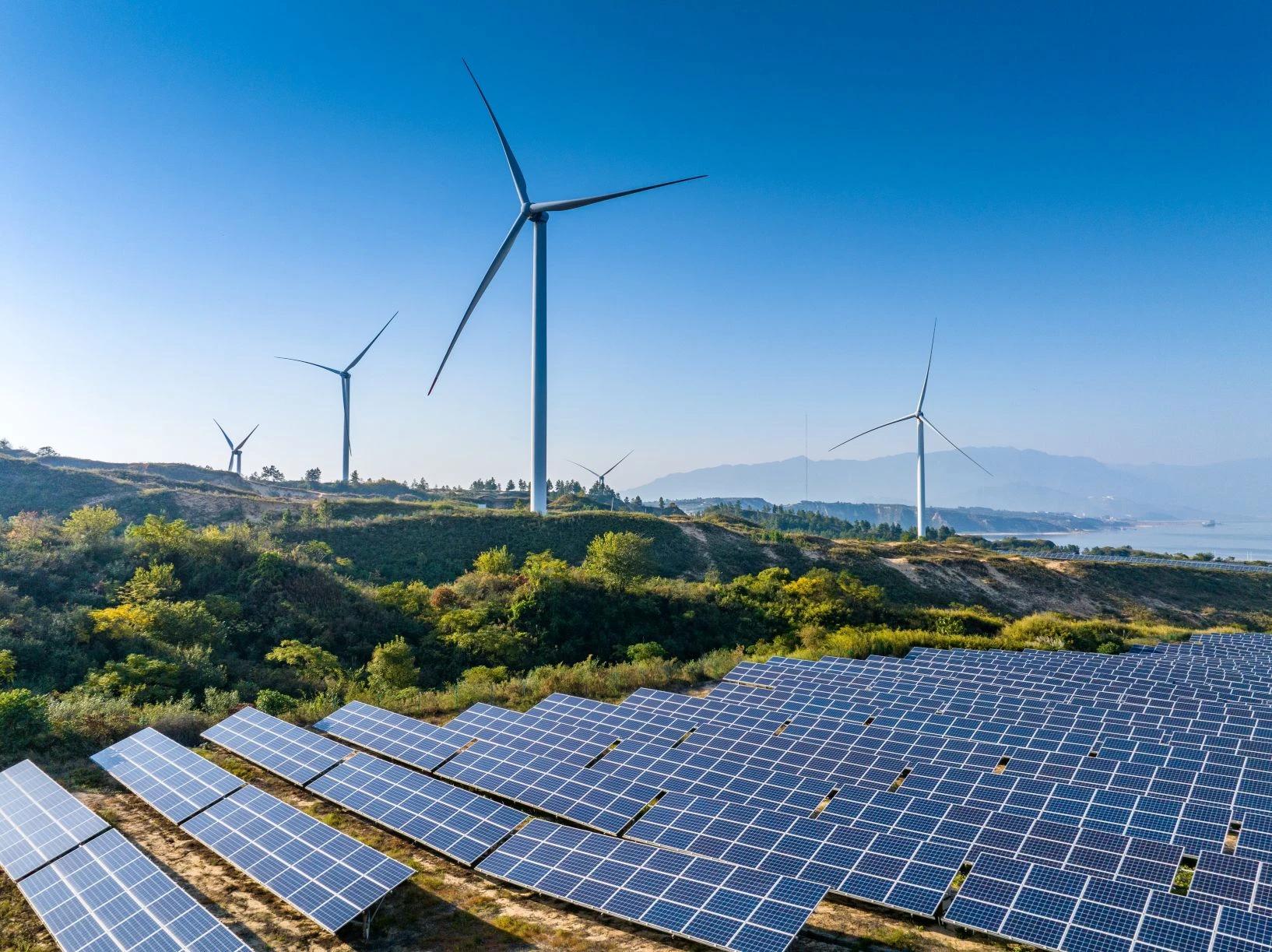
Companies with higher energy consumption may also consider upgrading machinery, installing smart energy monitoring systems or assessing whether solar panels are suitable for their buildings.
Renewable electricity contracts may provide another option, depending on the local market and the terms available. Businesses should compare total costs, contract conditions and the reliability of supply before making a decision.
The wider European energy transition creates opportunities, but conditions differ by country. Eurostat reported that renewable sources accounted for 26.2% of the EU's gross final energy consumption in 2025, based on provisional data. This is an overall energy indicator, not a measure of renewable energy use by individual businesses.
For business owners, the important question is more practical: which energy improvements are suitable for their premises, operations and budget?
Before investing in a major upgrade, estimate installation costs, maintenance requirements, expected savings and the time needed to recover the investment. Where available, investigate grants or financing programmes that support energy efficiency.
3. Reduce Packaging, Waste and Material Costs
Waste is not only an environmental issue. It can also represent money that a company has already spent but failed to turn into value.
Businesses that use packaging, raw materials or disposable supplies should examine whether they can reduce consumption without compromising safety, quality or the customer experience.
An online retailer, for example, might use appropriately sized packaging to reduce material use and shipping volume. A food producer could review production planning to prevent ingredients from expiring before they are used. A construction company could improve material estimates to reduce offcuts and unused supplies.
Recycling can be useful, but preventing waste in the first place is often a better starting point. Businesses should first consider whether they can avoid unnecessary materials, reuse suitable items or redesign processes to make better use of resources.
Supplier discussions can also help. Some suppliers offer reusable transport packaging, products with recycled content or alternative materials that meet the same performance requirements.
However, businesses should evaluate the complete cost of any change. A supposedly sustainable material may be more expensive, require different storage or affect product durability. The right decision depends on the material's performance, the company's needs and the overall impact across the supply chain.
4. Build Sustainability into Purchasing Decisions
A company's environmental impact does not stop at its own premises. Suppliers influence the materials, products, transport and services a business relies on.
Responsible purchasing can help companies understand these wider impacts while improving supply-chain reliability.
When comparing suppliers, businesses can assess more than price. Relevant factors may include product quality, durability, delivery reliability, packaging, material origin and the supplier's ability to provide credible environmental information.
For example, a hospitality business might compare suppliers based on food quality, delivery frequency, packaging and the risk of spoilage. A manufacturer might assess whether a supplier can provide consistent materials with less waste or better traceability.
This does not mean every business must choose the most expensive sustainable option. It means that purchasing decisions should consider total value rather than the initial price alone.
A supplier offering a slightly higher price might still reduce overall costs if its products last longer, arrive more reliably or create less waste. Conversely, an environmental claim should not be accepted without reasonable evidence.
Small businesses can begin with their most important suppliers and gradually introduce sustainability criteria into procurement policies.
5. Make Sustainable Products Part of Your Business Strategy
Sustainability can also create opportunities to develop new products, services and revenue streams.
Some customers are looking for durable products, repair services, reusable alternatives and solutions that help them reduce their own environmental impact. Businesses that understand these needs may be able to differentiate themselves from competitors.
For example, an electronics retailer could offer repair services alongside new products. A clothing company might introduce a repair or resale programme. A software provider could help customers monitor energy use or reduce unnecessary resource consumption.
These approaches can create additional revenue while helping customers use products for longer or manage resources more efficiently.
However, businesses should avoid assuming that every customer will pay more for a sustainable option. Customer demand, affordability, product quality and convenience still matter.
Before launching a new offering, speak with potential customers, test demand and calculate the cost of delivering the service. A small pilot can help establish whether the idea is commercially viable before the company commits significant resources.
The strongest opportunities often emerge when sustainability addresses a genuine customer problem rather than being added to a product purely for promotional purposes.
6. Understand European Sustainability Rules and Reporting
European businesses should also understand how sustainability expectations may affect their operations, customers and access to finance.
The EU has developed rules covering areas such as corporate sustainability reporting and environmental and human rights due diligence. These requirements have also been subject to simplification and amendments, so companies should check the rules currently applicable to their size, sector and activities.
Not every small business is automatically required to publish a formal sustainability report. Nevertheless, smaller suppliers may receive requests for sustainability information from large customers, banks or other business partners.
To help address this issue, the European Commission recommended a Voluntary Sustainability Reporting Standard for small and medium-sized enterprises (VSME) in July 2025. It is intended to help SMEs communicate relevant sustainability information in a more consistent and proportionate way.
For a small company, useful information might include energy consumption, greenhouse gas emissions where measurable, water use, waste management and relevant workforce practices.
Businesses do not need to create an unnecessarily complicated reporting system. They can begin by recording information they already have, identifying gaps and improving the consistency of their records.
For current legal obligations, consult the European Commission's corporate sustainability reporting guidance and seek professional advice where necessary.
The business benefit goes beyond compliance. Clear information can help management identify inefficiencies, respond to customer questions and demonstrate progress using evidence rather than broad claims.
7. Avoid Greenwashing and Communicate Honestly
Sustainability claims can influence how customers view a business, but exaggerated or unsupported statements can damage trust.
Greenwashing occurs when a company gives a misleading impression about the environmental benefits of its products, services or operations. This can include vague claims such as “completely green” or “100% sustainable” without clear evidence.
Businesses should use specific language and explain what their claims actually mean.
For example, rather than describing a product as environmentally friendly, a company might state that it uses 30% less packaging than its previous version, provided that the comparison is accurate and supported by reliable measurements.
Companies should also distinguish between plans and achievements. Installing energy-efficient equipment is a completed action; promising to reduce emissions in the future is a target that still needs to be achieved.
Honest communication helps customers make informed decisions and protects the company's reputation.
Before publishing sustainability claims, check the evidence behind them, explain relevant limitations and ensure that marketing materials comply with applicable consumer protection and environmental rules.
8. Measure Results and Make Sustainability Financially Accountable
A sustainability plan becomes more useful when the company can measure its results.
Business owners do not need to track dozens of indicators immediately. Starting with a few relevant measures can provide a clearer picture of progress.
| Business area | What to measure |
|---|---|
| Energy | Monthly energy consumption and cost |
| Materials | Material waste and purchasing costs |
| Packaging | Packaging used per order |
| Logistics | Delivery costs and transport efficiency |
| Operations | Water use, waste generation and recycling |
| Financial performance | Savings, investment costs and payback period |
Targets should be realistic and connected to business priorities. A manufacturer might aim to reduce material waste, while a hotel could focus on energy consumption per occupied room.
Review these measures regularly and compare them with a baseline. If a new initiative does not deliver the expected results, investigate why. The original assumptions may have been incorrect, or the project may need adjustments.
It is also important to distinguish between financial savings and environmental improvements. A project may reduce emissions but have a longer financial payback period. That does not automatically make it a bad investment, but management should understand the trade-off before proceeding.
9. A Practical 90-Day Sustainability Plan for European SMEs
Businesses can start improving sustainability without launching a large transformation programme.
01
First 30 days: Review
Examine energy bills, purchasing records, packaging, waste and operating expenses. Identify the three areas with the greatest potential for improvement.
02
Days 31–60: Test improvements
Introduce a few low-cost changes, such as reducing unnecessary printing, improving stock management or changing equipment schedules. Assign responsibility and record the costs.
03
Days 61–90: Measure and plan
Compare results with the original figures. Keep effective changes, calculate the potential return from larger investments and set priorities for the next six to twelve months.
This gradual approach allows businesses to learn from experience and avoid spending heavily before they understand what will work.
Conclusion: Sustainability Can Support Long-Term Profitability
Sustainability and profitability do not have to compete with each other. When businesses reduce waste, use energy more efficiently, improve purchasing decisions and design better products, they can often achieve environmental benefits alongside commercial improvements.
However, success depends on making informed choices. Some sustainability initiatives deliver quick savings, while others require significant investment or produce benefits over a longer period. Each decision should be evaluated according to the company's financial position, customer needs and operational priorities.
European businesses should also keep up with relevant regulations and customer expectations without assuming that every company faces identical obligations.
The best approach is to start with practical changes, measure the results and expand the initiatives that create genuine value. Businesses should communicate their progress honestly and avoid making claims they cannot support.
Ultimately, sustainable business is not just about reducing environmental impact. It is about building a company that uses resources wisely, manages risk, earns customer trust and remains competitive over time.