Rexel Raises 2026 Growth Forecast As Ai Data Centres And Europe's Electrification Drive Boost Business
Rexel Raises 2026 Growth Forecast Amid AI and Electrification Boom
European businesses are seeing new growth opportunities as artificial intelligence, renewable energy and electrification reshape industries. One company benefiting from these changes is Rexel, a French electrical equipment distributor that supplies products and services to businesses working on electrical installations, energy efficiency and industrial projects.
On October 22, 2026, Rexel raised its full-year financial targets for the second time this year after reporting strong third-quarter sales growth. The company is benefiting from rising demand in the United States, particularly from data centres, as well as Europe's continued transition towards more electrified energy systems.
The development highlights an important business trend: companies that provide the infrastructure behind major technological and energy changes can also become important beneficiaries of those changes.
According to a Reuters report, Rexel's third-quarter sales increased by 11.4%, encouraging management to improve its outlook for the full year. The announcement also reflects the growing commercial importance of AI infrastructure and energy-related investments. Source: Reuters report published by MarketScreener.
Rexel Reports Strong Sales Growth in 2026
Rexel operates in the electrical distribution industry, supplying electrical equipment, components and related services to professional customers. Its business connects manufacturers of electrical products with contractors, installers, industrial companies and other customers that need these products for their projects.
The company has benefited from demand across several markets, including data centres, industrial facilities, commercial buildings and energy infrastructure.
During the first nine months of 2026, Rexel reported total sales of €15.44 billion, representing an increase of 7.3% compared with the same period a year earlier.
Its third-quarter performance was particularly encouraging, with sales increasing by 11.4%. The company reported stronger growth in the United States than in Europe, although both regions contributed to its business.
For the first nine months of the year, sales in the United States reached €6.08 billion, up 10.7%. European sales stood at €7.15 billion, representing growth of 3.2%.
These figures demonstrate the different growth opportunities available across the company's markets. While US demand is receiving a significant boost from data centre construction, Europe continues to create opportunities through investments in electrification and energy-related equipment.
For businesses and investors, the results also show why it is important to examine both overall revenue and the individual markets contributing to growth.
Company Raises Its Full-Year Financial Outlook
Following its strong performance, Rexel increased its expectations for the full financial year.
The company now expects sales growth of approximately 7%, compared with its earlier expectation of around 5%. It also expects an adjusted operating margin, measured as EBITA, of at least 6.4%.
This is significant because companies generally revise their financial outlook when their latest performance or business expectations support a different assessment of future results.
Rexel's improved forecast suggests that demand across important parts of its business has been stronger than previously anticipated.
However, higher sales do not automatically mean that profits will rise at the same rate. Companies must also manage labour costs, transportation expenses, inventory, operating costs and pricing pressures.
The company's ability to maintain its operating margin while increasing sales will therefore remain an important factor in assessing its financial performance.
For the wider business community, Rexel's announcement offers an example of how changing market demand can influence corporate planning, investment decisions and financial expectations.
Why Artificial Intelligence Is Creating Business Opportunities
Artificial intelligence has become an important growth driver for the global technology industry. However, AI development requires much more than software, algorithms and advanced computer chips.
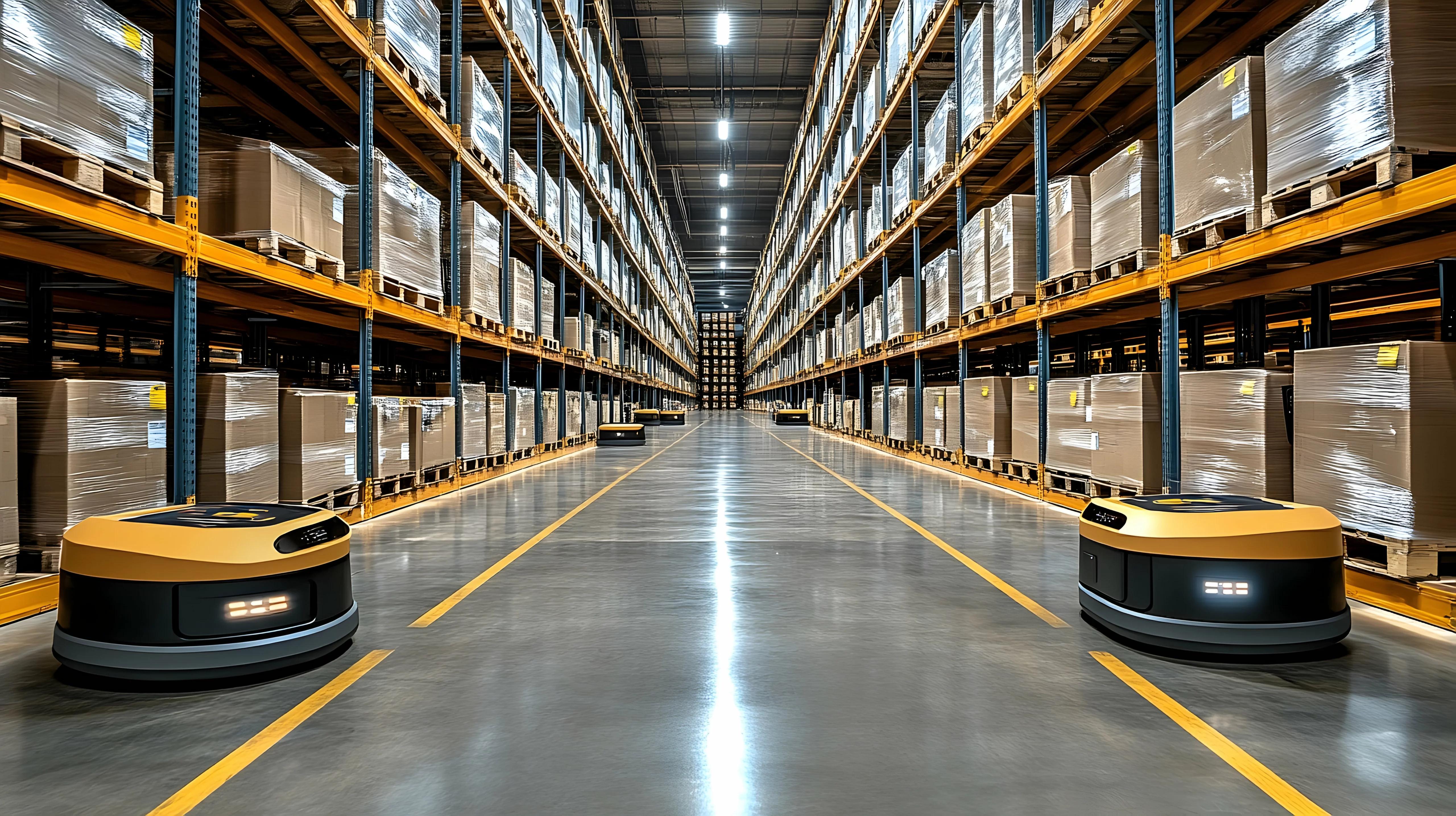
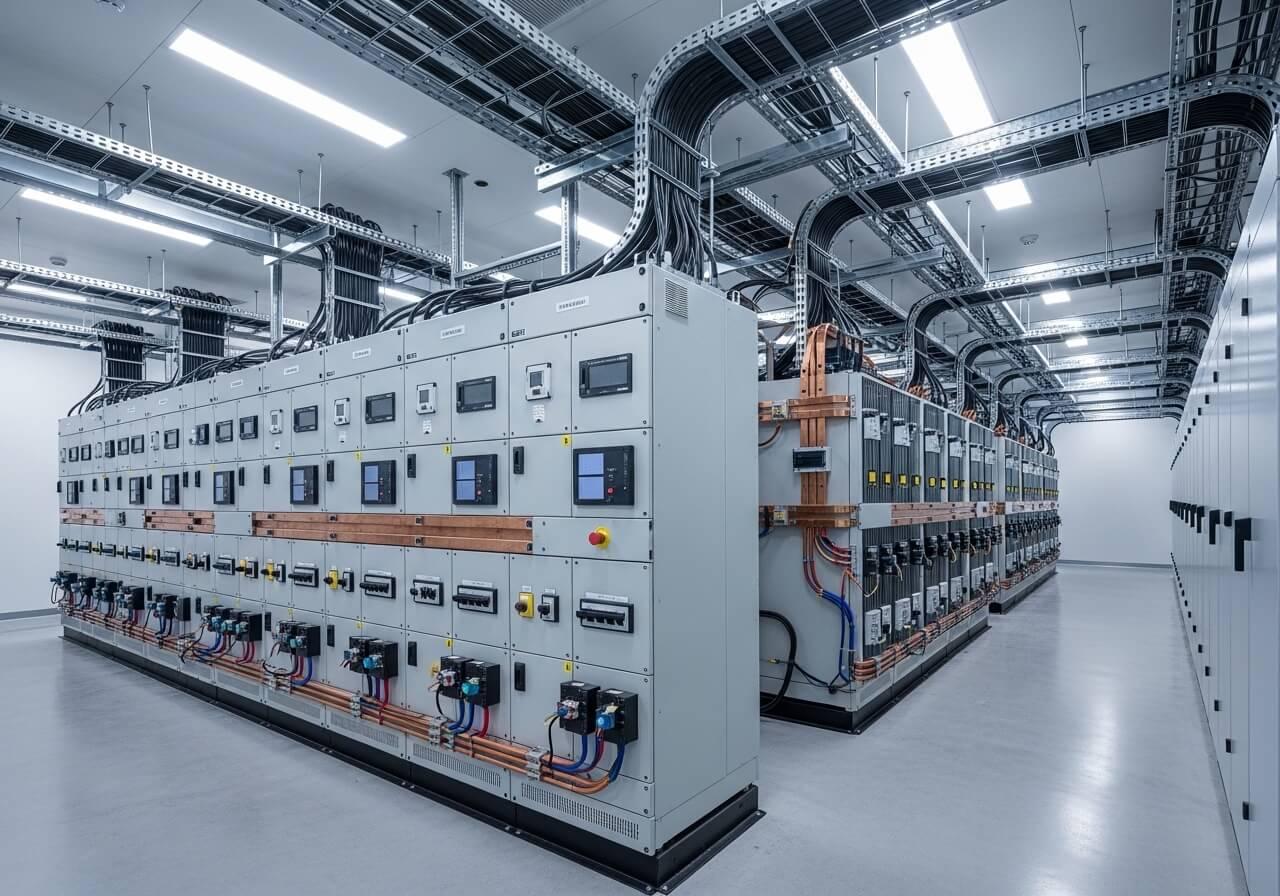
AI systems depend on large data centres containing servers, networking equipment, cooling systems and extensive electrical infrastructure. These facilities require reliable electricity distribution and equipment capable of supporting high power consumption.
As technology companies expand their computing capacity, demand can increase for electrical components, power management systems and installation services.
This creates opportunities for suppliers such as Rexel, which provides electrical products to professional customers.
The United States remains a major centre of data centre construction, partly because large technology companies continue to invest in computing infrastructure. Rexel's recent sales performance reflects the business opportunities associated with this expansion.
The wider lesson is that technological revolutions create opportunities throughout the supply chain.
A company does not necessarily need to develop its own AI model or manufacture advanced processors to benefit from AI investment. Businesses supplying the electricity, equipment, cooling infrastructure and technical services required by data centres may also benefit.
For entrepreneurs, this is an important reminder to look beyond the most visible technology brands when identifying growing markets.
Europe's Electrification Trend Supports Long-Term Demand
Although US data centre demand has been an important driver for Rexel, Europe also represents a significant market opportunity.
European countries are investing in more efficient energy systems and increasing the use of electricity across transportation, buildings and industry.
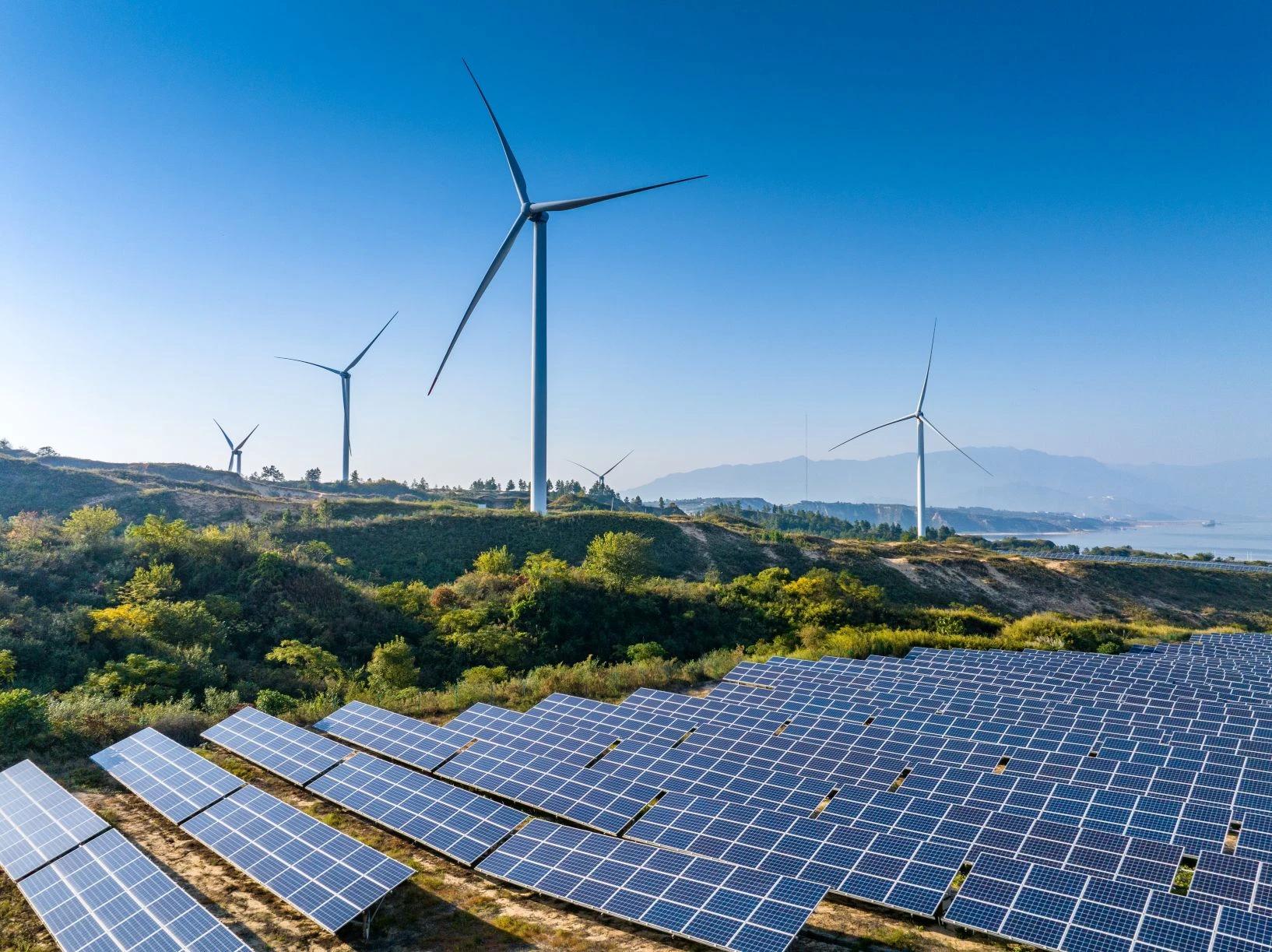
Several developments are contributing to this trend, including the adoption of electric vehicles, installation of charging stations, expansion of solar energy and increasing use of electric heating systems.
These changes require electrical equipment, installation work and supporting infrastructure.
For example, a commercial building installing electric vehicle charging stations may need upgraded electrical connections, protection systems and power distribution equipment. A factory improving its energy efficiency may require new electrical components and monitoring systems.
Similarly, residential and commercial properties adopting heat pumps or solar panels may need additional electrical equipment to support their installations.
Rexel's business is connected to many of these requirements.
The company's European sales grew by 3.2% during the first nine months of 2026. Although this growth was more moderate than in the United States, it indicates that the European market continues to contribute to the group's overall performance.
The opportunity will depend on factors such as energy prices, government policies, construction activity, consumer demand and the speed at which businesses invest in new infrastructure.
Nevertheless, electrification remains an important area for companies supplying equipment and services to the energy sector.
Acquisitions Could Help Rexel Expand Further
Rexel is also pursuing opportunities to expand its business through acquisitions.
According to the October 22 Reuters report, the company expects its acquisition of GCG to contribute more than €1 billion in revenue. The transaction was expected to close by the end of 2026, subject to the applicable process and conditions.
The company also partly funded the deal through a €500 million share sale.
Acquisitions can help businesses enter new markets, expand their customer base, strengthen their distribution networks and increase their product offerings.
For a company such as Rexel, a successful acquisition could improve its ability to serve customers across additional locations or market segments.
However, acquisitions also bring challenges. Companies must integrate operations, align management teams, manage financing costs and ensure that the acquired business delivers the expected benefits.
The final results depend on how effectively the companies combine their operations and whether the transaction creates sufficient long-term value.
For growing businesses, Rexel's approach illustrates how organic sales growth and strategic acquisitions can work together as part of an expansion strategy.
What Rexel's Performance Means for European Businesses
Rexel's improved outlook offers several lessons for companies operating in Europe.
First, businesses should identify demand created by major industry changes. AI, electrification and energy efficiency are changing investment priorities. Companies that understand the practical requirements of these developments may discover opportunities in equipment, installation, maintenance and specialist services.
Second, infrastructure businesses can benefit from technology growth. The expansion of AI depends on physical infrastructure as well as digital innovation. This creates opportunities for suppliers that might otherwise receive less attention than major technology companies.
Third, geographical diversification can provide additional growth opportunities. Rexel's business spans the United States and Europe, allowing it to participate in different market trends. Businesses expanding internationally must still consider local regulations, competition, customer requirements and operating costs.
Fourth, financial discipline remains essential. Revenue growth is valuable, but companies must also control costs, maintain profitability and make sensible investment decisions. Rexel's revised sales forecast and operating-margin target demonstrate why businesses monitor multiple financial indicators.
Small and medium-sized businesses can apply similar principles without operating on the same scale. For example, an electrical contractor, energy consultant or industrial equipment supplier may find opportunities by developing services for data centres, commercial electrification projects or energy-efficient buildings.
The key is to identify a genuine customer need and build the skills and capabilities required to meet it.
Challenges Rexel Will Need to Monitor
Despite its positive outlook, Rexel still faces potential risks.
Data centre investment can fluctuate depending on technology companies' spending plans, financing conditions and expectations for future demand. A slowdown in new construction could affect suppliers connected to the sector.
The company must also manage competition and changing costs across its markets. Higher expenses for transportation, labour or equipment can put pressure on margins if businesses cannot pass those costs on to customers.
In Europe, electrification projects may depend on government policies, planning approvals, construction activity and the financial capacity of customers to invest in new equipment.
Acquisitions introduce additional execution risks, particularly when integrating new operations and managing financing commitments.
Investors and business observers should therefore distinguish between strong current performance and guaranteed future growth. Rexel's revised outlook is encouraging, but its ability to deliver those targets will depend on market conditions and execution.
Conclusion: Infrastructure Becomes a Major Business Opportunity
Rexel's latest financial update highlights how investment in artificial intelligence and the electrification of European economies is creating opportunities for companies beyond the technology sector.
The French distributor's third-quarter sales growth of 11.4% and its decision to raise its full-year sales growth forecast to approximately 7% show the importance of these demand trends to its business.
Its performance also demonstrates that industrial suppliers and infrastructure providers can play a valuable role in major economic transformations.
For European entrepreneurs, the broader message is clear: new business opportunities often emerge not only from creating innovative products but also from supplying the infrastructure, equipment and services that make innovation possible.
As data centres expand and businesses continue investing in electrification, companies capable of delivering reliable products and practical solutions may find opportunities for further growth.
The challenge will be turning these market opportunities into sustainable revenue, healthy margins and long-term business success.
Disclaimer: This article is for general business information and does not constitute investment advice.