Niels B. Christiansen: The Leadership Strategy Behind Lego’s Global Reinvention
Niels B. Christiansen: The Leadership Strategy Behind LEGO’s Success
Few brands have achieved the global recognition of LEGO. Its colourful building bricks have entertained generations, inspired creative thinking and developed into a worldwide business spanning physical products, entertainment, digital experiences and retail.
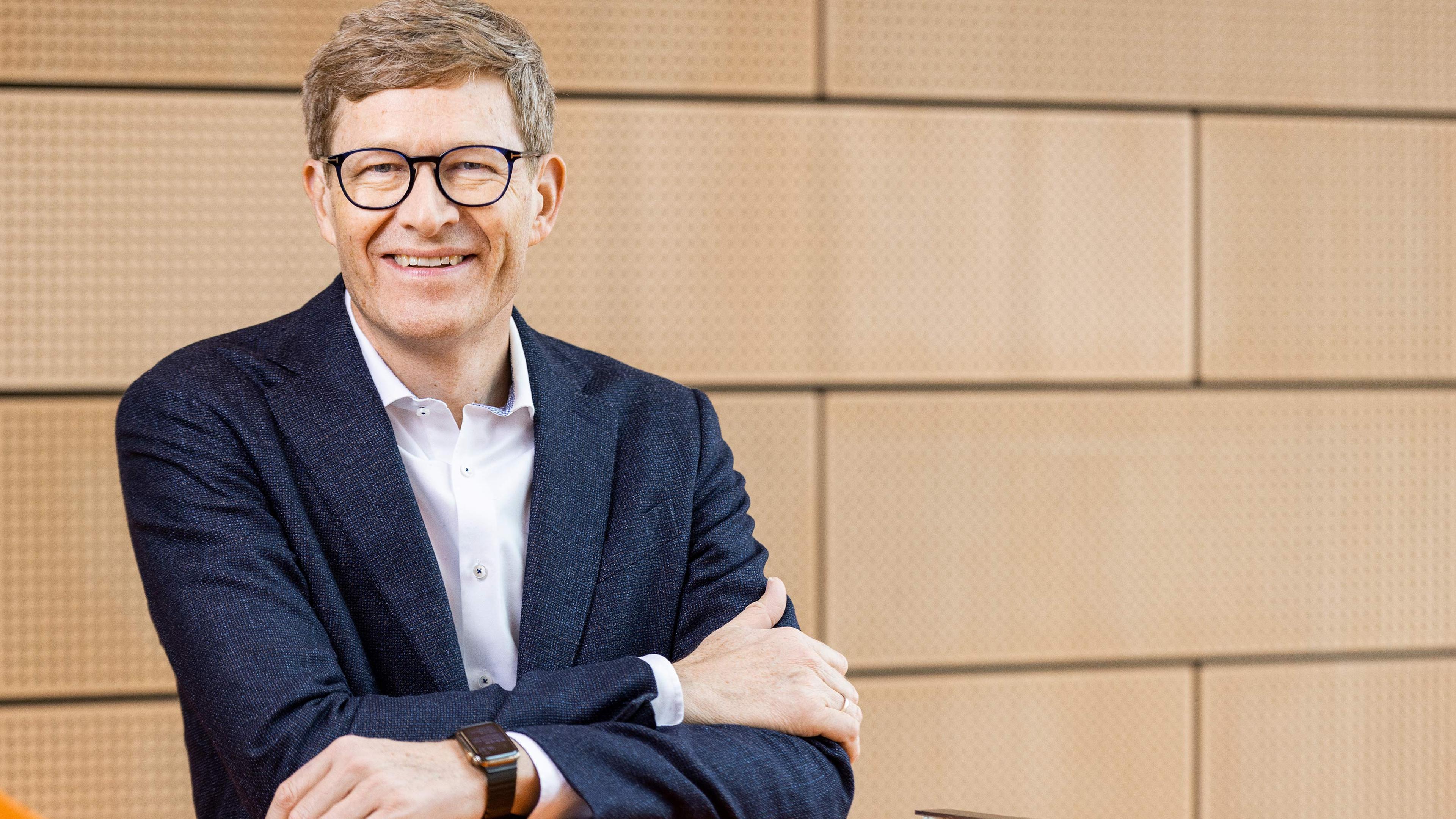
Behind this continued evolution is Niels B. Christiansen, the Danish business executive who became CEO of the LEGO Group in 2017. His leadership has coincided with a period of significant expansion, as the company has strengthened its product portfolio, invested in manufacturing, developed new customer experiences and expanded its appeal among children and adult fans.
LEGO’s financial performance illustrates the scale of this transformation. In 2025, the company generated record revenue of DKK 83.5 billion, an increase of 12% compared with the previous year. Operating profit increased by 18% to DKK 22 billion. The momentum continued into the first half of 2026, when revenue rose 21% year over year to DKK 41.9 billion.
These results reflect the contribution of an entire organisation rather than one individual. Nevertheless, they provide an important backdrop for examining the leadership principles that guide LEGO’s development.
Christiansen’s approach offers valuable lessons for entrepreneurs: protect a strong brand, continue innovating, invest before growth becomes a constraint and balance commercial performance with long-term responsibilities.
1. Building on a Strong Foundation Rather Than Replacing It
When Christiansen joined LEGO, he inherited a business with an established identity and an unusually recognisable product. The company's challenge was not to invent an entirely new purpose, but to ensure that its traditional appeal could remain relevant in a changing world.
LEGO’s fundamental proposition is simple: building with bricks allows people to create, experiment and explore ideas. That proposition has remained central even as the company has expanded into different themes, digital experiences and partnerships.
This illustrates an important leadership principle. Successful leaders do not automatically discard established strengths when they arrive at an organisation. Instead, they identify what customers value most and determine how those qualities can support future growth.
For LEGO, the enduring appeal of creative play provides a foundation for introducing new products without abandoning the core experience.
Entrepreneurs can apply the same approach when developing an existing business. Before changing a product, brand or operating model, leaders should understand why customers choose it in the first place.
The objective is not to preserve every historical decision. It is to protect the underlying value that makes the business worth choosing.
2. Treating Innovation as a Continuous Business Priority
In the toy industry, customer attention is competitive and unpredictable. Children discover new interests, entertainment trends change and adults increasingly purchase products connected to their hobbies and personal interests.
LEGO has responded by broadening the experiences it offers. Its portfolio includes traditional building sets, complex models for adult fans and products connected to entertainment franchises and other cultural interests.
In 2025, the company reported that its largest-ever product portfolio helped drive demand across age groups and markets. Its strategy demonstrates that innovation does not always require abandoning an existing product category. It can also mean finding new audiences and new reasons for customers to engage with a familiar brand.
The leadership challenge is to manage this expansion without allowing the product portfolio to become unfocused.
Christiansen's approach highlights the importance of connecting creativity with commercial discipline. New products must generate interest, but businesses also need to evaluate costs, production requirements, inventory and the long-term value of partnerships.
For startups, this lesson is particularly useful. Innovation should not be measured solely by the number of features or launches. Leaders must ask whether each new idea solves a meaningful problem, serves a clear audience or strengthens the company's competitive position.
3. Preparing LEGO for the Convergence of Physical and Digital Play
One of the most significant developments in LEGO’s recent strategy is its investment in technology that connects physical building with digital interaction.
The company has been developing software-enabled play experiences, including its LEGO SMART Play platform, which adds interactive capabilities to compatible physical products. These initiatives reflect an effort to explore how technology can extend traditional play rather than simply replace it with screen-based entertainment.
This direction also reflects a wider change in consumer expectations. Customers increasingly move between physical and digital experiences, whether they are shopping, learning, gaming or enjoying entertainment.
For LEGO, the challenge is to introduce digital capabilities while protecting the hands-on creativity that defines its products.
That requires more than launching a new feature. It involves software engineering, product design, manufacturing, testing and an understanding of how customers actually play.
The broader leadership lesson is that technology creates the most value when it strengthens a company's existing purpose.
Businesses should not adopt artificial intelligence, automation or connected products merely because these technologies attract attention. They should identify where technology can improve the customer experience or create a meaningful competitive advantage.
4. Scaling Operations Without Losing Quality
Growth can create problems that are not immediately visible in sales figures.
As demand increases, a company must manufacture more products, manage suppliers, coordinate distribution and maintain consistent quality across markets. If its operational capabilities do not grow alongside demand, delays and inefficiencies can undermine customer satisfaction.
LEGO's recent expansion has therefore required continued investment in production capacity, logistics and infrastructure.
The company has pursued a strategy of expanding its manufacturing network and locating production closer to important markets. This can help it serve customers more effectively while building additional capacity for future demand.
Such investments are especially important for a business with a large international product portfolio. Each new product introduces manufacturing and distribution requirements that must be managed alongside existing operations.
Christiansen's leadership illustrates why operational excellence should be treated as a strategic capability rather than a back-office concern.
For entrepreneurs, the message is clear: a business needs systems that can support its ambitions. Sales growth without sufficient operational planning can create customer dissatisfaction, rising costs and pressure on cash flow.
Leaders should identify capacity constraints early and invest in processes that make growth manageable.
5. Balancing Strong Financial Results With Long-Term Investment
LEGO's financial performance provides a useful example of how growth can support further investment.
In 2025, the company reported revenue of DKK 83.5 billion and operating profit of DKK 22 billion. The results gave it a strong platform for continuing investments in product innovation, manufacturing capacity, retail experiences and sustainability.
However, financial success does not automatically guarantee future success. Businesses must decide how much to invest, which opportunities deserve priority and how to manage uncertainty.
Christiansen has emphasised the importance of combining product creativity with operational efficiency. This balance allows a company to pursue new opportunities while maintaining the discipline required to deliver them commercially.
The principle is particularly relevant for growing businesses. Excessive cost-cutting can weaken innovation, while uncontrolled spending can leave a company vulnerable if demand changes.
Effective leadership requires evaluating investments according to their potential contribution to long-term performance, not simply their immediate impact on quarterly results.
Entrepreneurs should therefore establish clear priorities, monitor financial performance and preserve the flexibility needed to respond when circumstances change.
6. Expanding the Audience Without Diluting the Brand
LEGO is no longer associated exclusively with products for young children. Adult fans have become an important audience, purchasing intricate models connected to architecture, vehicles, popular culture and personal interests.
This expansion demonstrates how an established brand can create additional growth opportunities by understanding its customers more broadly.
Instead of assuming that its original audience defines its entire future market, LEGO has developed products and experiences for people at different stages of life.
The strategy also illustrates the importance of emotional connection. Customers may purchase a building set for entertainment, nostalgia, collecting, relaxation or the satisfaction of completing a complex project.
Understanding these motivations helps businesses develop products that serve different needs while remaining connected to the same brand identity.
For entrepreneurs, the lesson is not simply to target as many audiences as possible. Expansion works best when new customer groups have a credible connection to the company's strengths.
A business should broaden its reach without losing clarity about what it stands for.
7. Making Sustainability Part of Business Strategy
Sustainability presents a significant challenge for a company that manufactures large quantities of plastic products.
LEGO has been investing in alternative materials, renewable energy and changes to packaging as part of its efforts to reduce environmental impact. According to its 2025 reporting, renewable and recycled content accounted for 52% of the materials purchased to manufacture LEGO bricks, up from 33% in 2024.
The company has also continued work on renewable energy and paper-based packaging.
These developments represent progress in particular areas, but they should not be interpreted as evidence that all environmental challenges have been resolved. Finding materials that meet LEGO’s durability, safety and performance requirements remains a complex technical and commercial task.
This is where leadership becomes important. Sustainability goals must be translated into research, procurement decisions, manufacturing processes and measurable targets.
The challenge is to improve environmental performance while maintaining the quality customers expect.
For other businesses, the lesson is that sustainability is most credible when it influences actual operations. Leaders need measurable objectives, transparent reporting and a willingness to acknowledge where further progress is necessary.
8. Creating a Culture That Combines Creativity and Accountability
A company can have excellent products and substantial resources but still struggle if its teams cannot work together effectively.
LEGO’s continued development requires coordination among designers, engineers, manufacturing specialists, marketers, retailers and technology teams. Each group contributes a different perspective, but their work must ultimately support a shared purpose.
Christiansen's emphasis on creativity and operational efficiency points to the importance of combining experimentation with accountability.
Creative teams need room to explore ideas, while the wider organisation needs processes that help determine which ideas should be developed, produced and brought to market.
Too much control can discourage experimentation. Too little coordination can result in wasted resources and inconsistent execution.
For leaders, the challenge is to create an environment in which employees can contribute ideas while understanding the organisation's objectives and responsibilities.
This is particularly important as companies grow. Informal communication may work in a small team, but larger organisations need clear responsibilities, strong collaboration and reliable decision-making processes.
A healthy leadership culture makes creativity productive rather than treating it as separate from business performance.
9. What Entrepreneurs Can Learn From Niels B. Christiansen
Christiansen’s experience at LEGO offers several lessons for business leaders.
Protect the company's core purpose. A recognisable identity provides a foundation for growth, even when products and markets change.
Innovate continuously. Established businesses need to explore new products, technologies and audiences rather than rely entirely on past success.
Connect technology with customer value. New capabilities should strengthen the customer experience and serve a clear business objective.
Invest in operational capacity. Sustainable growth requires manufacturing, logistics, people and processes that can support increased demand.
Balance ambition with financial discipline. Leaders need to invest for the future without losing sight of efficiency and profitability.
Make sustainability measurable. Environmental commitments become more meaningful when supported by operational changes and transparent progress reports.
These principles apply to businesses far beyond the toy industry. A technology startup, consumer brand or manufacturing company can all benefit from combining a clear purpose with innovation, disciplined execution and long-term planning.
Conclusion: Leadership That Builds for the Future
Niels B. Christiansen’s tenure at LEGO demonstrates how an established European company can continue evolving without abandoning the qualities that made it successful.
The company's record financial performance, expanding product portfolio and investments in technology and manufacturing show the scale of its current ambitions. At the same time, its next stage will require continued attention to customer expectations, environmental challenges and the economics of global operations.
No single executive can create these outcomes alone. LEGO's performance depends on the work of its employees, partners, designers, engineers and leadership teams. The CEO's role is to establish priorities and create the conditions that allow those capabilities to work together.
For entrepreneurs, the most important lesson is that leadership is not simply about protecting what has already been built. It is about preparing an organisation for what comes next.
The strongest businesses preserve their purpose, challenge their assumptions and invest in the people and capabilities required to keep improving. That is how a familiar brand can remain relevant across generations—and how leadership can turn past success into a foundation for future growth.


.png)
.png)