Unicredit’s Commerzbank Takeover
UniCredit-Commerzbank Deal: What It Means for European Banking
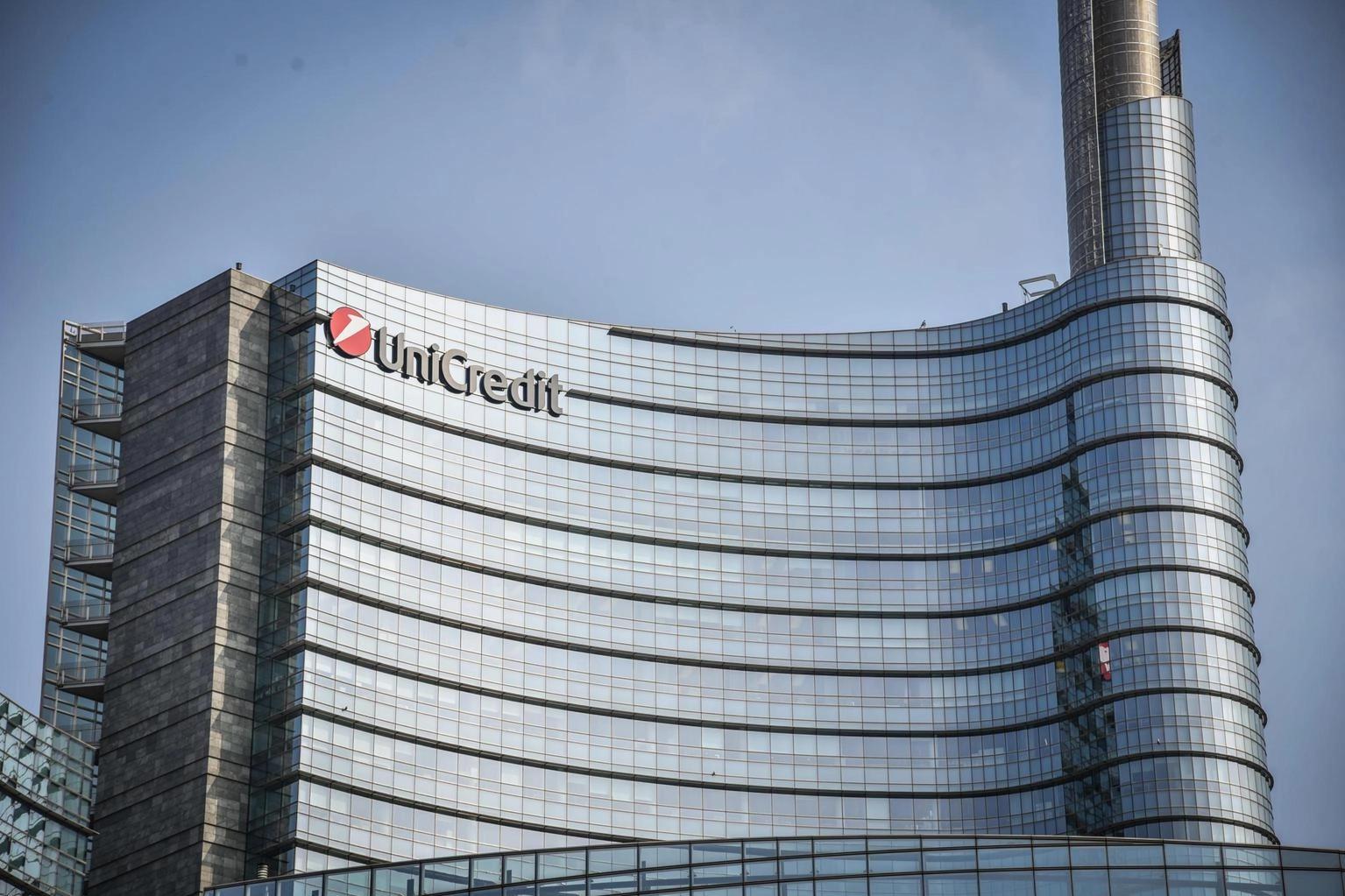
Europe’s banking sector is facing a potentially significant transformation after Italy’s UniCredit received approval from the European Central Bank (ECB) to increase its ownership of Germany’s Commerzbank. Announced on 15 October 2026, the decision represents a major step towards a takeover that could reshape competition between European lenders and reignite debate over the future of cross-border banking in the European Union.
UniCredit said the ECB had authorised it to cross the 30% ownership threshold in Commerzbank and increase its stake further without an upper limit. The Italian bank expects to complete the remaining regulatory steps and conditions around the end of 2026, when it anticipates holding approximately 50% of Commerzbank’s voting rights.
The transaction is attracting attention because it involves two major banking markets, a strategically important German lender and a broader European ambition to create a more integrated financial system.
However, regulatory approval is not the same as final completion. Questions about jobs, lending, governance, competition and the independence of Commerzbank remain important as the process continues.
What Happened Between UniCredit and Commerzbank?
UniCredit, one of Italy’s largest banking groups, has been pursuing greater control of Commerzbank, a major German lender headquartered in Frankfurt.
The acquisition effort has developed over several stages. UniCredit had already built a significant position in Commerzbank before its takeover offer attracted wider attention. In July 2026, a tender offer valued at approximately €45 billion helped lift its stake to around 48%, according to Reuters.
The ECB’s latest approval allows UniCredit to cross the relevant ownership threshold and acquire additional shares. The bank said that the remaining regulatory processes and conditions were expected to be addressed around the end of the year.
That timeline is important: UniCredit has moved closer to control, but the deal should not yet be described as fully completed.
The development is also notable because Commerzbank has faced resistance to the takeover. The German bank and German government have expressed concerns about the implications of foreign control, including the lender’s future role in financing businesses and supporting the domestic economy.
UniCredit, meanwhile, sees opportunities to improve the bank’s performance and increase its strategic value.
Sources: UniCredit’s official announcement and Reuters’ report on the approval.
Why Is This Deal Important for European Finance?
Europe has many large banks, but its banking sector remains divided along national lines. Different countries have their own major lenders, regulatory considerations and established relationships between banks, companies and governments.
This fragmentation can make it harder for banks to operate across borders at the scale seen in some other major economies.
A successful UniCredit takeover of Commerzbank could become an important example of a major banking group expanding across national boundaries within the EU.
1. A potential shift towards cross-border banking
A combination involving two major European banking groups could demonstrate that large cross-border transactions remain possible despite political and operational obstacles.
For supporters of European financial integration, such deals could help banks achieve economies of scale, invest in technology and compete more effectively with international rivals.
Larger institutions may also be able to spread the costs of cybersecurity, regulatory compliance and digital transformation across a wider customer base.
Nevertheless, size alone does not guarantee stronger performance. Integrating different operating systems, corporate cultures and customer relationships can be expensive and difficult.
2. Greater competition in Germany
Commerzbank has an established position in Germany, particularly in serving businesses and corporate customers. Its future strategy will therefore matter beyond its shareholders.
UniCredit has indicated that it wants Commerzbank to follow a strategy designed to improve profitability. Changes in management, product offerings, branch operations or lending priorities could eventually affect how the bank competes in Germany.
The outcome will depend on the approach UniCredit adopts if it gains control and on the practical conditions attached to the transaction.
3. A test for Europe’s financial integration ambitions
European policymakers have repeatedly discussed how to deepen capital markets and make financial services work more efficiently across the EU.
Cross-border banking transactions are one part of that wider discussion. A more integrated banking sector could potentially make it easier for capital to flow towards productive businesses and investment opportunities across member states.
However, one acquisition cannot resolve every obstacle. Differences in insolvency frameworks, taxation, supervision and national economic priorities can continue to complicate cross-border activity.
What Could the Deal Mean for Businesses?
For businesses, especially small and medium-sized enterprises (SMEs), the most important question is not simply who owns a bank. It is whether that ownership leads to better financial services.
Banks provide working capital, trade finance, investment loans, payment services and other essential products. Changes in strategy at a major lender can therefore have consequences for companies that rely on its support.
Potential benefits for corporate customers
If UniCredit successfully improves Commerzbank’s operations, business customers could benefit from investment in digital banking, more efficient services and access to a wider range of financial products.
Companies operating in multiple European markets might also benefit from closer coordination between banking operations in different countries.
For example, a manufacturer that imports components from Italy and sells products in Germany may value banking services that support cross-border payments, cash management and financing.
A larger group could have greater resources to invest in these services, although the actual benefits would depend on the products offered and how the integration is managed.
The risk of changes to lending priorities
There is another side to the story.
A takeover can lead to a review of lending policies, customer relationships, branch networks and internal costs. Businesses that rely on established local banking contacts may worry about changes in decision-making or service availability.
Smaller companies could be particularly sensitive to changes in credit assessments or relationship management. Any reduction in local lending capacity would be a concern for businesses that depend on bank loans rather than capital markets.
These are potential risks, not confirmed outcomes of the transaction. UniCredit’s eventual strategy and the bank’s subsequent decisions will determine whether customers experience meaningful changes.
For now, European businesses should monitor official announcements rather than assume that lending conditions will immediately improve or deteriorate.
What Does It Mean for Employees and the German Economy?
Employment is one of the most politically sensitive aspects of the proposed takeover.
Commerzbank is a significant employer in Germany, and its headquarters in Frankfurt are important to the country’s financial sector. A change in ownership naturally raises questions about management structure, overlapping functions and the location of future decision-making.
Large bank transactions can create opportunities for investment and operational improvements. They can also lead to restructuring when the acquiring institution identifies duplicated activities or seeks to reduce costs.
Reuters has reported that UniCredit chief executive Andrea Orcel has pushed for Commerzbank to adopt a strategy intended to improve profitability, while a full merger has been discussed on a longer timeline extending to 2029–2030.
The precise implications for staffing and operations will depend on decisions that have not all been finalised.
The German government has also expressed concern about maintaining Commerzbank’s role in financing German businesses and protecting domestic economic interests.
This reflects a broader tension in European finance: cross-border consolidation may improve efficiency, but national governments also care about employment, lending capacity and control over strategically important financial institutions.
How Could Investors View the Acquisition?
For investors, the transaction presents both potential opportunities and uncertainties.
An acquisition can create value when the buyer improves a target company’s efficiency, strengthens its competitive position or identifies new sources of revenue. UniCredit’s interest in Commerzbank reflects its belief that changes to the German lender’s strategy could improve performance.
However, investors must also consider the cost of the transaction, integration expenses, capital requirements and the risk that expected improvements fail to materialise.
The headline valuation does not, by itself, establish whether the acquisition will ultimately generate attractive returns. That depends on the final transaction structure, future earnings and the costs associated with implementation.
There are also broader market considerations. European banks operate in an environment shaped by interest rates, credit demand, regulation, economic growth and competition from fintech companies.
A larger banking group could be better positioned to invest in technology and manage some costs, but it would still face the same fundamental challenges of assessing credit risk, attracting deposits and serving customers profitably.
Investors should therefore distinguish between the immediate significance of the ECB approval and the longer-term financial results that may follow.
What Role Did the European Central Bank Play?
The ECB’s decision is a key regulatory milestone.
Bank ownership transactions involving significant stakes are subject to supervisory assessment. Regulators need to consider whether proposed changes in ownership meet applicable requirements and whether the resulting institution can operate safely and soundly.
In this case, the ECB authorised UniCredit to cross the 30% ownership threshold and increase its Commerzbank stake further.
That decision should not be interpreted as a guarantee that the acquisition will deliver economic benefits, nor does it mean every remaining condition has been satisfied. UniCredit itself said additional regulatory processes and conditions remained before it expected to take control.
The distinction matters because a bank acquisition involves more than a shareholding change. It can affect governance, risk management, capital planning, competition and the continuity of financial services.
Regulatory approval allows the transaction to progress within the relevant framework. The bank’s subsequent performance will depend on how the deal is completed and managed.
The Challenges That Could Still Lie Ahead
Despite the progress, several challenges could shape the final outcome.
Political resistance: German officials have raised concerns about the future of Commerzbank and its contribution to the domestic economy. Political pressure could influence the wider debate even as the transaction advances through regulatory processes.
Integration complexity: Combining operations across borders requires careful management of technology, reporting, risk controls and corporate culture. Poor execution can reduce the benefits of a deal.
Customer confidence: Businesses and individuals may be concerned about changes to services, branches or account management. Clear communication will be important if UniCredit gains control.
Financial performance: The acquisition will ultimately be judged by its ability to deliver sustainable returns while maintaining adequate capital and managing credit risks.
Competition and supervision: Authorities and market participants will continue to pay attention to how the enlarged banking group operates and how its strategy affects the wider market.
These factors mean that the story is far from over. The ECB decision is an important step, but the eventual results will emerge over time.
What Happens Next?
UniCredit expects to complete the remaining processes and conditions around the end of 2026, when it anticipates having approximately 50% of Commerzbank’s voting rights and being able to take control.
The next phase will involve monitoring the completion of the offer, any remaining regulatory requirements and the strategic decisions that follow.
Investors will look for clarity on capital allocation, profitability targets and integration plans. German businesses and employees will want to understand what the change means for lending, jobs and Commerzbank’s presence in the country.
European policymakers will also be watching the deal as a practical test of whether major banking groups can expand across national borders while addressing legitimate concerns about financial stability and domestic economic priorities.
Conclusion: A Major Development for Europe’s Banking Landscape
UniCredit’s progress towards taking control of Commerzbank is one of the most consequential European banking stories of October 2026.
The ECB’s approval marks an important milestone in a transaction that could strengthen cross-border banking and change the competitive landscape in Germany. It also highlights the challenges that arise when financial integration meets national economic priorities.
For businesses, the potential benefits include stronger digital services and broader cross-border capabilities. For employees and customers, the key issues will be continuity, access to services and the future direction of the German lender. For investors, the central question is whether the deal can produce sustainable improvements in performance.
The outcome remains dependent on the remaining steps and how UniCredit manages the bank if it secures control. As Europe continues to debate the future of its financial system, this acquisition will be an important development to follow.
Editorial note: This article is based on information available as of 18 October 2026. The transaction had not yet been described by UniCredit as fully completed at that date.