Asml Ai Chip Boom: Record Sales And Strong Demand In 2026
ASML’s AI Chip Boom
Europe’s technology industry has received another powerful signal that the artificial intelligence boom is creating long-term demand for advanced semiconductor manufacturing equipment. ASML, the Netherlands-based technology company that supplies some of the world’s most sophisticated chipmaking machines, reported record quarterly sales and raised its full-year revenue outlook on 14 October 2026.
The company reported third-quarter net sales of approximately €11.7 billion and net income of €5.0 billion. It also forecast fourth-quarter sales of between €14.2 billion and €15.2 billion, lifting its expected full-year 2026 sales to €44–45 billion.
More importantly, ASML said customers were increasing their equipment demand forecasts, with some already expressing interest in orders for 2029 and 2030. Based on its current production plans, the company expects its available supply to fall short of customer demand in both 2027 and 2028.
The announcement is significant because ASML occupies a critical position in the global semiconductor supply chain. Its machines help manufacturers produce the advanced chips used in AI accelerators, smartphones, high-performance computing systems and other digital technologies.
For Europe, the results demonstrate how a specialist technology company can become strategically important to a global industry. They also raise questions about manufacturing capacity, supply-chain resilience and the long-term economics of the AI infrastructure boom.
What Is ASML and Why Is It So Important?
ASML is a technology company headquartered in Veldhoven, the Netherlands. It develops and manufactures equipment, software and services used by semiconductor manufacturers to produce integrated circuits.
Its best-known technology is lithography, a process that helps transfer extremely small patterns onto silicon wafers during chip production.
Modern chips contain billions of transistors and require extraordinarily precise manufacturing processes. Lithography machines help manufacturers create the intricate patterns that form these electronic components.
ASML is particularly important because it is the only supplier of extreme ultraviolet (EUV) lithography systems used for the most advanced chipmaking processes. These systems use extremely short-wavelength light to print very fine patterns, helping manufacturers produce increasingly sophisticated chips.
Its customers include major semiconductor manufacturers such as Taiwan Semiconductor Manufacturing Company (TSMC), Samsung and Intel.
These companies are investing in manufacturing capacity to meet demand for advanced processors, including chips used in AI systems and data centres.
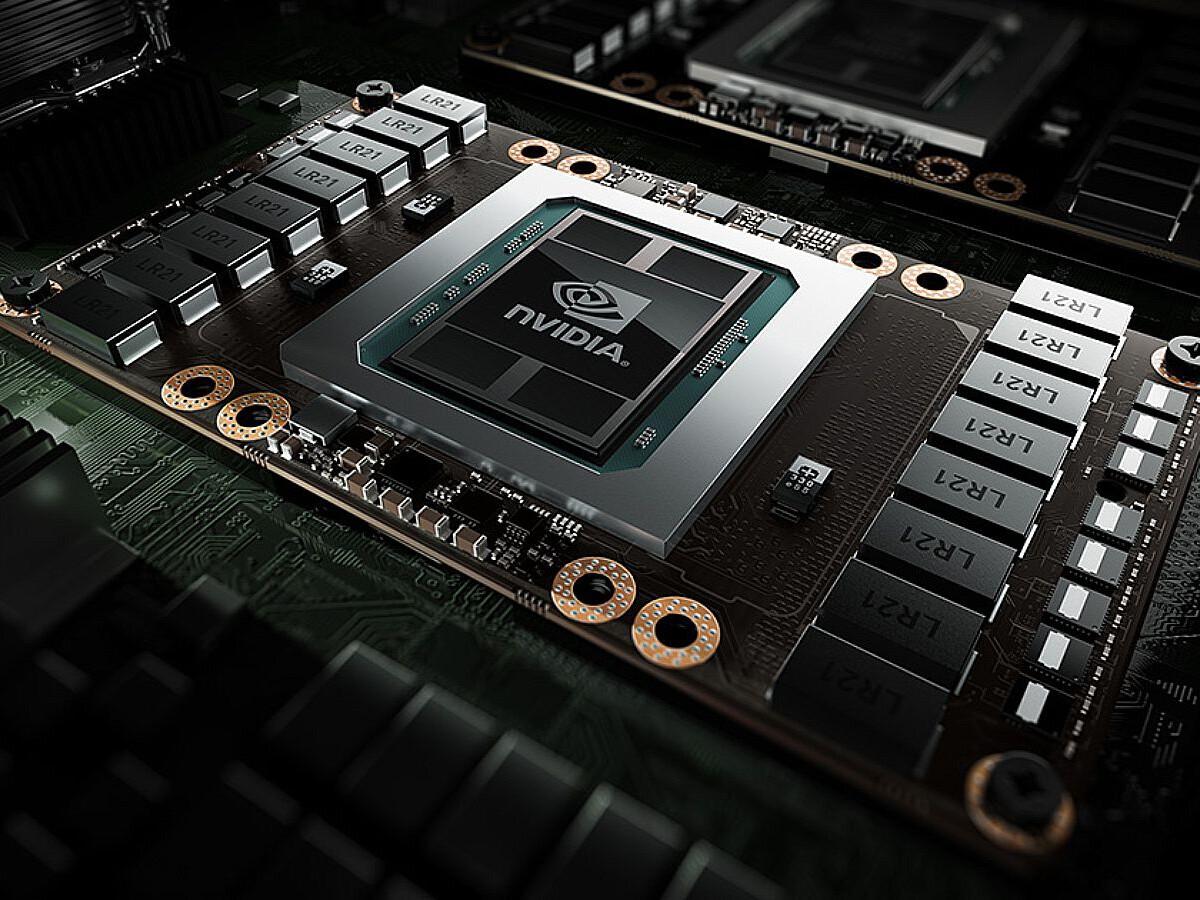
As AI models become more capable and businesses deploy more AI applications, demand for computing infrastructure can increase. That creates demand for processors, memory, networking equipment and the machinery required to manufacture semiconductors.
ASML sits near the beginning of this chain, making its results an important indicator of investment activity across the semiconductor industry.
ASML’s Third-Quarter 2026 Results: The Key Numbers
ASML’s latest financial results show the scale of demand for its products and services.
According to the company's official announcement on 14 October 2026, the main figures were:
Net sales: €11.7 billion in the third quarter.
Net income: €5.0 billion.
Gross margin: 57.5%.
Fourth-quarter sales outlook: €14.2–15.2 billion.
Full-year 2026 sales outlook: €44–45 billion.
The third-quarter sales figure was up from approximately €9.3 billion in the second quarter, while net income increased from around €2.9 billion.
ASML also reported sales of 113 new lithography systems during the third quarter, compared with 86 in the previous quarter.
The results reflect strong execution and continued customer demand, including demand for productivity upgrades to equipment already installed at semiconductor factories.
However, quarterly results should not be interpreted as a guarantee of future growth. Semiconductor equipment demand can fluctuate depending on customer investment plans, manufacturing capacity, export restrictions and broader economic conditions.
For now, ASML’s latest outlook indicates that the company expects demand to remain strong into the next several years.
Source: ASML’s official Q3 2026 financial results.
Why Is Artificial Intelligence Driving Semiconductor Demand?
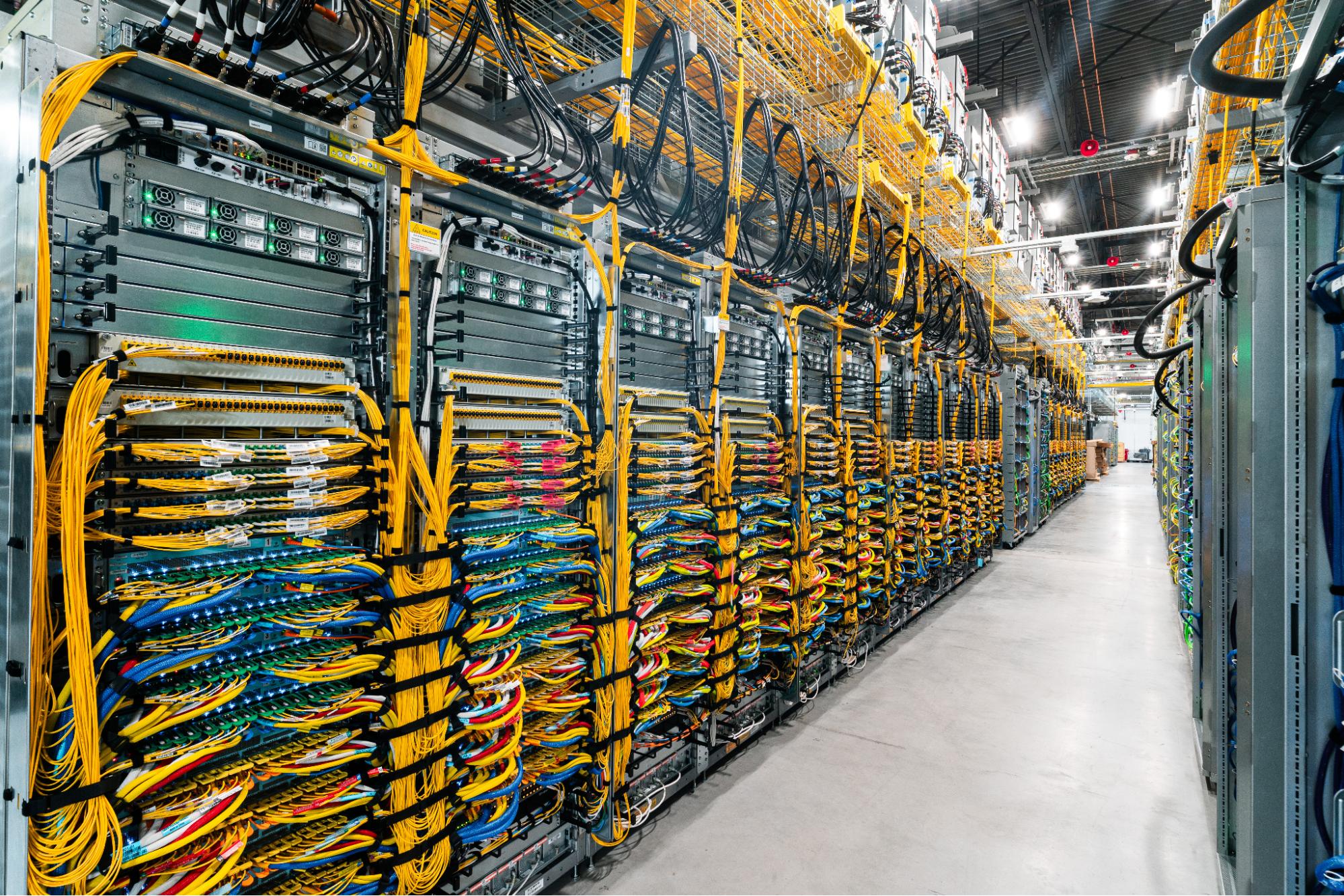
AI applications require substantial computing power. Training and operating large AI models can involve thousands of specialised processors working together across large data centres.
As technology companies develop more capable AI systems, they are investing in servers, accelerators, memory and networking equipment. Cloud providers are also expanding infrastructure to offer AI services to businesses and consumers.
This investment creates demand throughout the semiconductor supply chain.
Chip designers develop new processor architectures. Semiconductor manufacturers build and expand fabrication plants. Equipment suppliers provide the machinery needed to manufacture increasingly advanced components.
ASML benefits from this trend because its equipment is required for important stages of advanced chip production.
The company has said that its customers are raising their short- and medium-term equipment demand forecasts, driven primarily by their expectations for the scale and duration of AI-related investment.
Its announcement also indicated that some customers are already interested in discussing equipment orders for 2029 and 2030.
This does not mean that every potential order has been confirmed or that current spending levels will continue indefinitely. Rather, it signals that major semiconductor manufacturers are planning capacity well beyond the immediate future.
For the technology industry, these long planning horizons suggest that AI infrastructure investment is influencing decisions about manufacturing equipment years in advance.
Demand Is Growing Faster Than Planned Supply
One of the most important messages from ASML’s announcement is that its planned production capacity may not be sufficient to meet customer demand.
The company had previously communicated plans to increase capacity for certain EUV and deep ultraviolet (DUV) immersion lithography systems by 30% in 2027, with a further increase planned for 2028.
However, ASML said the demand it now anticipates means its currently planned supply for both years will not fully meet customer requirements. It is investigating ways to increase capacity for 2028 beyond the previously communicated plan.
This is an important distinction: ASML is not saying that semiconductor manufacturing will stop. It is warning that equipment availability could remain constrained relative to what customers want to purchase.
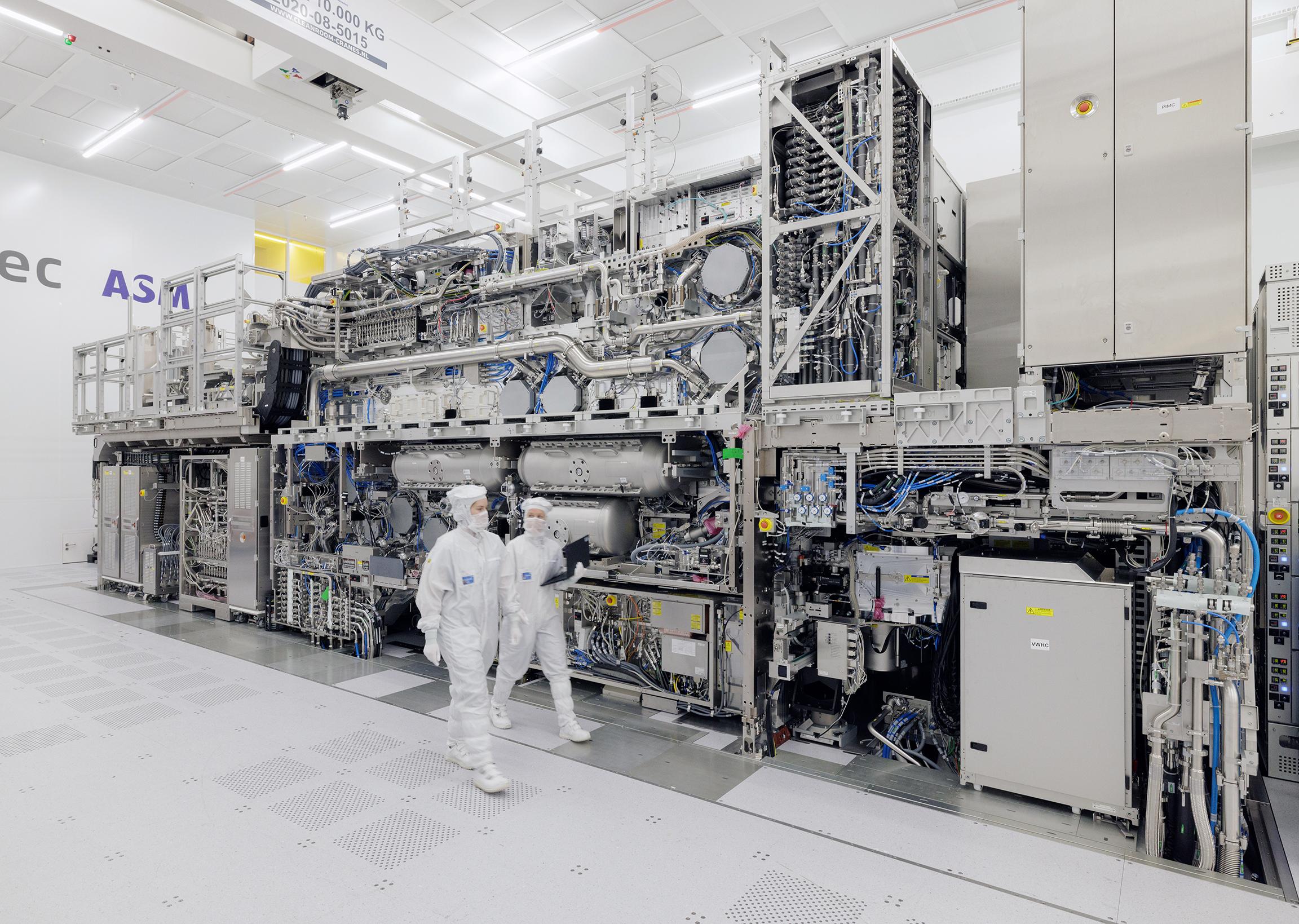
Producing advanced lithography machines is complex. The systems depend on specialised components, precision engineering, extensive testing and a network of highly skilled suppliers.
Increasing output therefore cannot necessarily be achieved by simply opening another assembly line. Suppliers may also need to expand production, hire specialised workers and invest in manufacturing infrastructure.
If equipment availability becomes a bottleneck, semiconductor manufacturers may have to adjust the timing of their expansion projects.
For companies building new chip factories, delays in receiving essential machinery can affect production schedules and the speed at which new capacity becomes operational.
What Are EUV and DUV Lithography?
Understanding ASML’s technology helps explain why its production capacity matters.
Extreme ultraviolet lithography
EUV lithography uses extremely short-wavelength light to help create very fine patterns on silicon wafers. It is essential to the production of many leading-edge semiconductor designs.
EUV systems are highly complex machines that integrate precision optics, specialised light sources, wafer-handling systems and advanced software.
Their sophistication makes them difficult to develop and manufacture at scale.
As chipmakers pursue more advanced manufacturing processes, EUV technology remains a critical part of their equipment requirements.
Deep ultraviolet lithography
DUV lithography is another important technology used across semiconductor manufacturing.
Although EUV is central to many advanced production processes, DUV systems continue to be used for numerous chip layers and a wide range of semiconductor products.
These machines support manufacturing across different levels of technological complexity, meaning that demand for semiconductor equipment is not limited to the most advanced AI processors.
Together, EUV and DUV technologies help manufacturers produce the chips used in computing, communications, automotive electronics, industrial systems and consumer devices.
ASML’s position across these technologies gives it exposure to several parts of the semiconductor market, although demand can differ between products and manufacturing processes.
What Does This Mean for Europe’s Technology Industry?
ASML’s success highlights a strategic advantage for Europe: the continent has globally important expertise in specialised technology, even though many of the largest chip designers and semiconductor manufacturers are based elsewhere.
The Netherlands has become a key location in the semiconductor equipment ecosystem. ASML also works with a broad network of suppliers and technology partners across Europe and internationally.
Strong demand could support investment in engineering, manufacturing, research and supplier capacity. It may also create opportunities for smaller companies that provide specialised components, software and industrial services.
For European policymakers, the results reinforce the importance of maintaining technological expertise and resilient supply chains.
Semiconductors are essential to sectors ranging from artificial intelligence and telecommunications to electric vehicles, healthcare equipment and industrial automation.
Disruptions in semiconductor supply can therefore affect industries far beyond consumer electronics.
At the same time, ASML’s position should not be mistaken for complete European independence in chip production. Semiconductor manufacturing remains a global system, with critical activities distributed across the Netherlands, Taiwan, South Korea, the United States, Japan and other markets.
Europe’s long-term challenge is to strengthen its capabilities while continuing to work within this international ecosystem.
Could the Semiconductor Boom Face Risks?
Despite the positive outlook, the semiconductor industry faces several uncertainties.
AI investment could slow. Technology companies are spending heavily on AI infrastructure, but the pace of investment will ultimately depend on demand for AI services and the returns customers expect to generate.
Manufacturing projects may be delayed. Building chip factories is expensive and technically demanding. Changes in financing, construction schedules or customer demand can affect equipment orders.
Geopolitical restrictions remain important. Export controls and international trade policies can influence which equipment can be sold to particular markets. ASML has previously faced restrictions affecting certain semiconductor equipment exports to China.
Supply chains are complex. The production of advanced equipment depends on specialised components, materials and skilled labour. Expanding capacity requires coordination across suppliers.
Market expectations may be high. Strong company results do not automatically mean that a stock is attractively valued. Investors must consider future earnings, risks and the price they pay.
These uncertainties do not negate ASML’s strong quarterly performance. They explain why long-term demand forecasts should be treated as expectations rather than guarantees.
What Happens Next?
ASML expects fourth-quarter 2026 net sales of €14.2–15.2 billion, with a gross margin of around 57%. It expects full-year sales of €44–45 billion and a full-year gross margin of approximately 56%.
The company is also exploring options to increase production capacity beyond its existing plans as customers seek more equipment for the coming years.
Investors and technology companies will be watching future announcements for details about manufacturing expansion, customer orders, export restrictions and the pace of AI infrastructure investment.
For semiconductor manufacturers, the availability of advanced equipment will remain an important factor in planning new production capacity.
For Europe, the story is about more than one company’s financial performance. It illustrates the value of specialised engineering and the strategic importance of companies that supply essential technology to global industries.
Conclusion: ASML Shows Why Europe Matters in the AI Revolution
ASML’s October 2026 results underline the scale of demand currently flowing through the semiconductor industry. With €11.7 billion in third-quarter sales, €5.0 billion in net income and a higher full-year revenue outlook, the Dutch company has delivered strong evidence of continued demand for its chipmaking technology.
Its warning that planned supply may not fully meet customer demand in 2027 and 2028 also highlights a key challenge for the AI boom: building computing infrastructure requires more than designing powerful chips. It depends on sophisticated manufacturing equipment, specialised suppliers and years of investment.
For Europe, ASML demonstrates how technological leadership in a highly specialised field can create global influence and significant economic value.
The next phase will depend on whether the company can expand capacity, whether customers continue investing at the expected pace and how the global semiconductor market responds to changing economic and geopolitical conditions.
One thing is clear: ASML remains a company worth watching as the global race to build AI infrastructure continues.
Editorial note: This article is based on ASML’s third-quarter 2026 results and public reporting available as of 18 October 2026. Forecasts and demand expectations may change.