Europe’s Ai Infrastructure Race: How A New Supercomputer In Sweden Could Strengthen The Continent’s Tech Industry
Europe’s AI Infrastructure Race: New AI Supercomputer in Sweden
Europe’s artificial intelligence industry is entering a new phase of competition. While software companies race to develop more capable AI models, cloud providers and technology businesses are investing in the computing infrastructure needed to train, deploy and operate them at scale.
A significant development emerged on 13 October 2026, when French cloud computing company Scaleway announced plans to deploy an AI supercomputer in Sweden powered by AMD’s Instinct MI355X accelerators. The system is intended to provide startups, AI developers and enterprises across Europe with access to high-performance computing resources.
The announcement is important because Europe’s AI ambitions depend on more than developing innovative software. Businesses also need access to powerful processors, reliable cloud platforms, energy-efficient data centres and the technical infrastructure required to run demanding AI workloads.
Scaleway’s Swedish project represents one example of how companies are working to expand these capabilities. It also highlights a broader question for the European technology industry: can the continent build enough computing capacity to compete globally while giving businesses more choice over the technologies they use?
1. Why AI infrastructure has become a strategic priority
Artificial intelligence requires substantial computing power. Training a large AI model can involve processing enormous datasets across thousands of specialised processors. Even after a model has been trained, operating it for millions of users can require significant computing resources.
These demands have created a rapidly growing market for AI accelerators, high-performance servers, cloud computing platforms and specialised data centres.
For European businesses, access to this infrastructure can influence how quickly they develop new products and how much it costs to bring AI applications to market.
A startup building an AI-powered customer service platform, for example, might need cloud computing capacity to train or fine-tune a model, test its performance and serve customers. A manufacturing company could require computing resources to analyse production data, detect equipment failures or improve quality control.
Without affordable and dependable infrastructure, smaller companies may struggle to compete with organisations that can afford large computing budgets.
Europe is therefore pursuing a broader technology strategy: expanding its computing capacity, supporting local cloud providers and improving access to the hardware and software required for AI development.
The challenge is not simply to build more data centres. It is to create an ecosystem in which businesses can access computing power, develop applications and scale their operations without facing unnecessary technical or commercial barriers.
2. Scaleway’s planned AI supercomputer in Sweden
Scaleway announced the Swedish project during its ai-PULSE 2026 event in Paris. According to the company, the deployment will be its first AI supercomputer outside France and will expand the computing options available to European organisations.
The system will use AMD Instinct MI355X graphics processing units, or GPUs, designed for demanding computing and AI workloads. It will also use AMD’s ROCm software ecosystem, which provides tools for developing and running applications on AMD computing hardware.
Scaleway describes the project as Europe’s first commercial AI supercomputer based on AMD technology. Its intended users include startups, specialist AI companies and larger businesses that need substantial computing capacity.
The project brings together several technology suppliers. AMD is providing the GPU technology and software ecosystem, while French technology company Bull will handle cluster integration, deployment and ongoing hardware maintenance. Other partners include Giga Computing for servers, HPE for networking, VAST Data for storage and Motul for cooling-related technology.
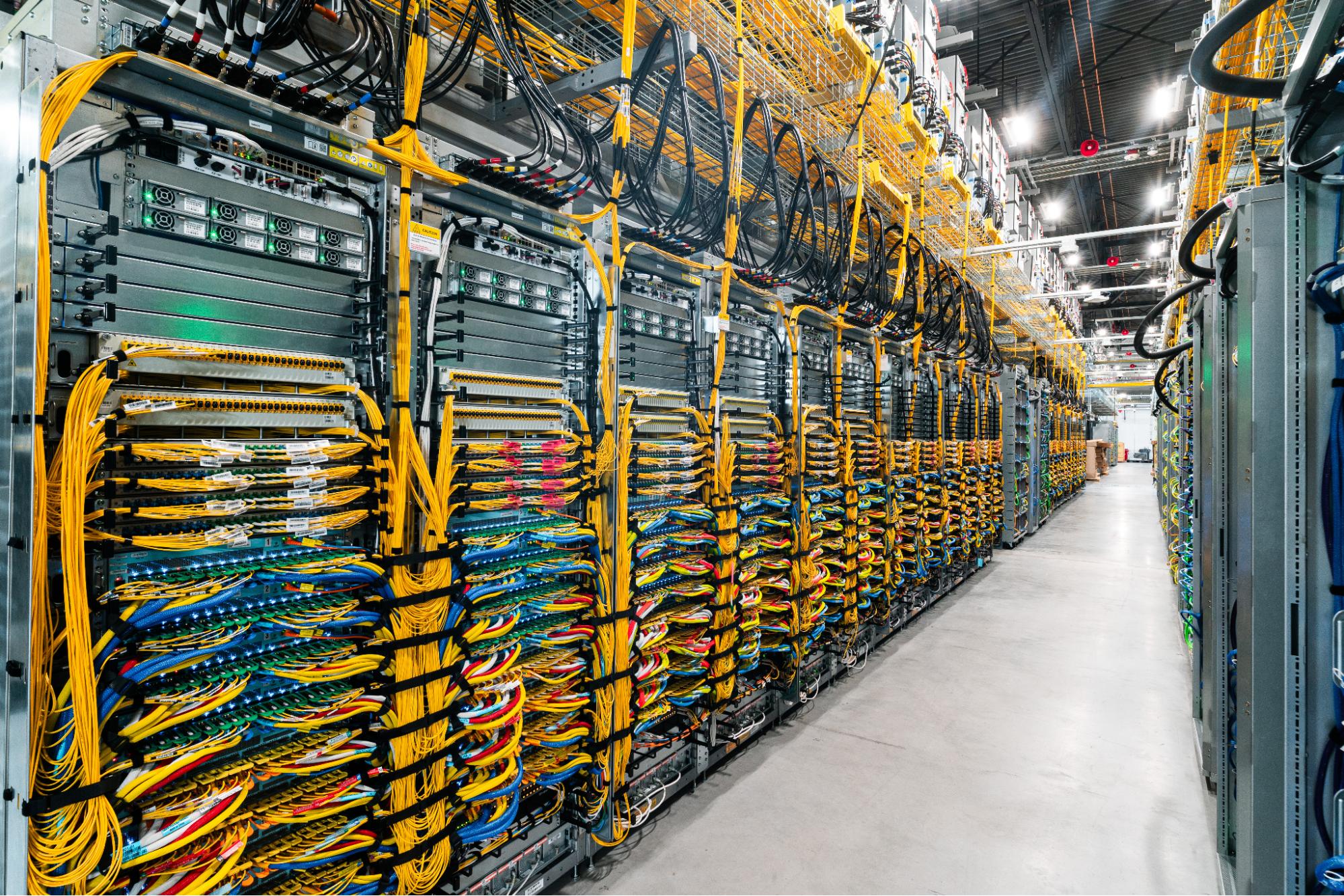
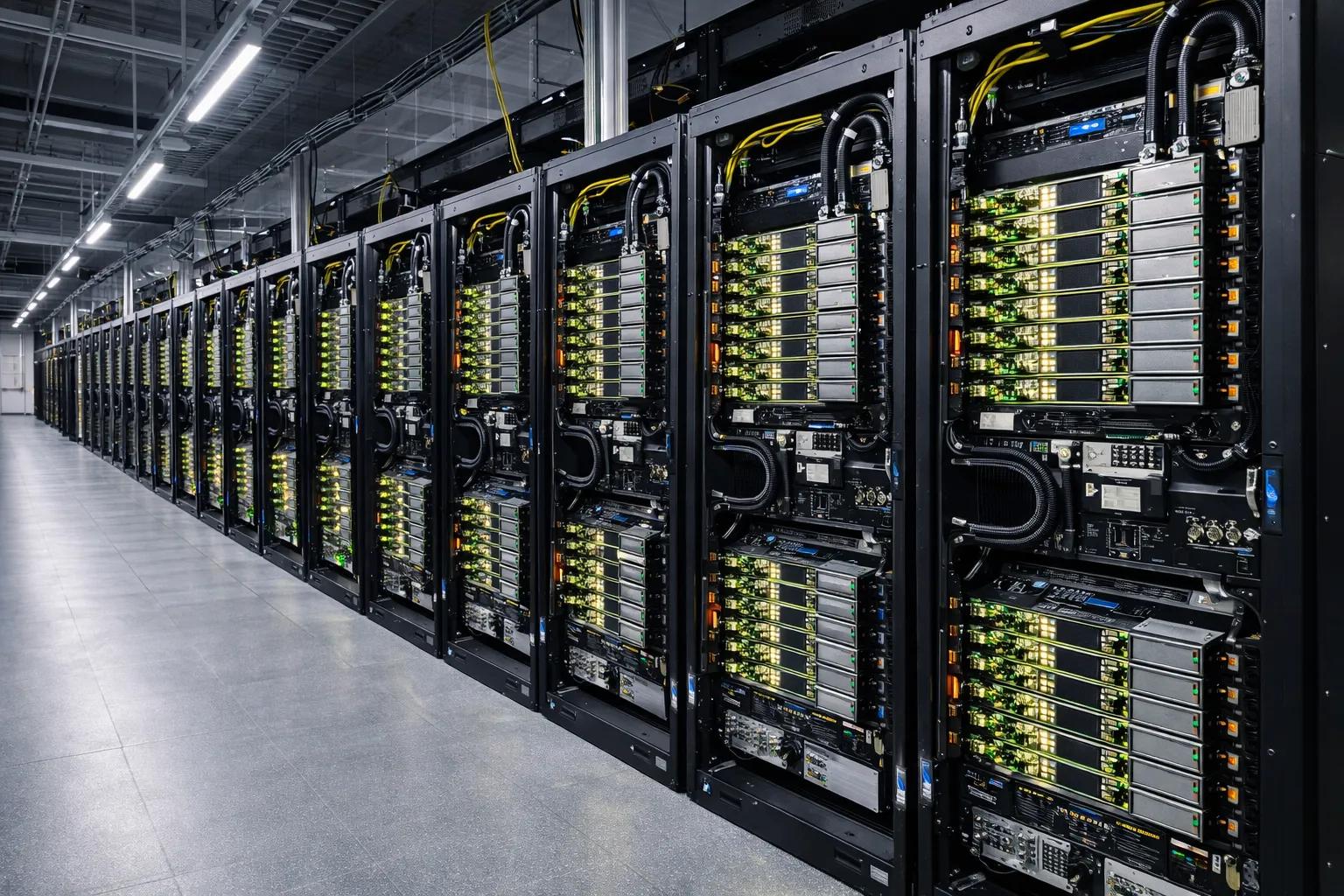
This illustrates how modern AI infrastructure is built through cooperation between multiple technology specialists. A powerful GPU alone is not enough: the processors, servers, network connections, storage systems and cooling equipment must work together efficiently.
An important distinction: as of 18 October 2026, the announcement describes a planned deployment. It should not be interpreted as confirmation that the Swedish supercomputer is already fully operational or available to customers.
Source: Scaleway’s official announcement.
3. Why the choice of AMD technology matters
A major feature of the project is its use of AMD hardware rather than relying exclusively on the GPU platforms that dominate much of the commercial AI market.
AMD’s Instinct MI355X accelerators are designed for advanced computing workloads, including AI model training and inference. Inference is the process through which a trained model generates predictions, answers questions or produces other outputs.
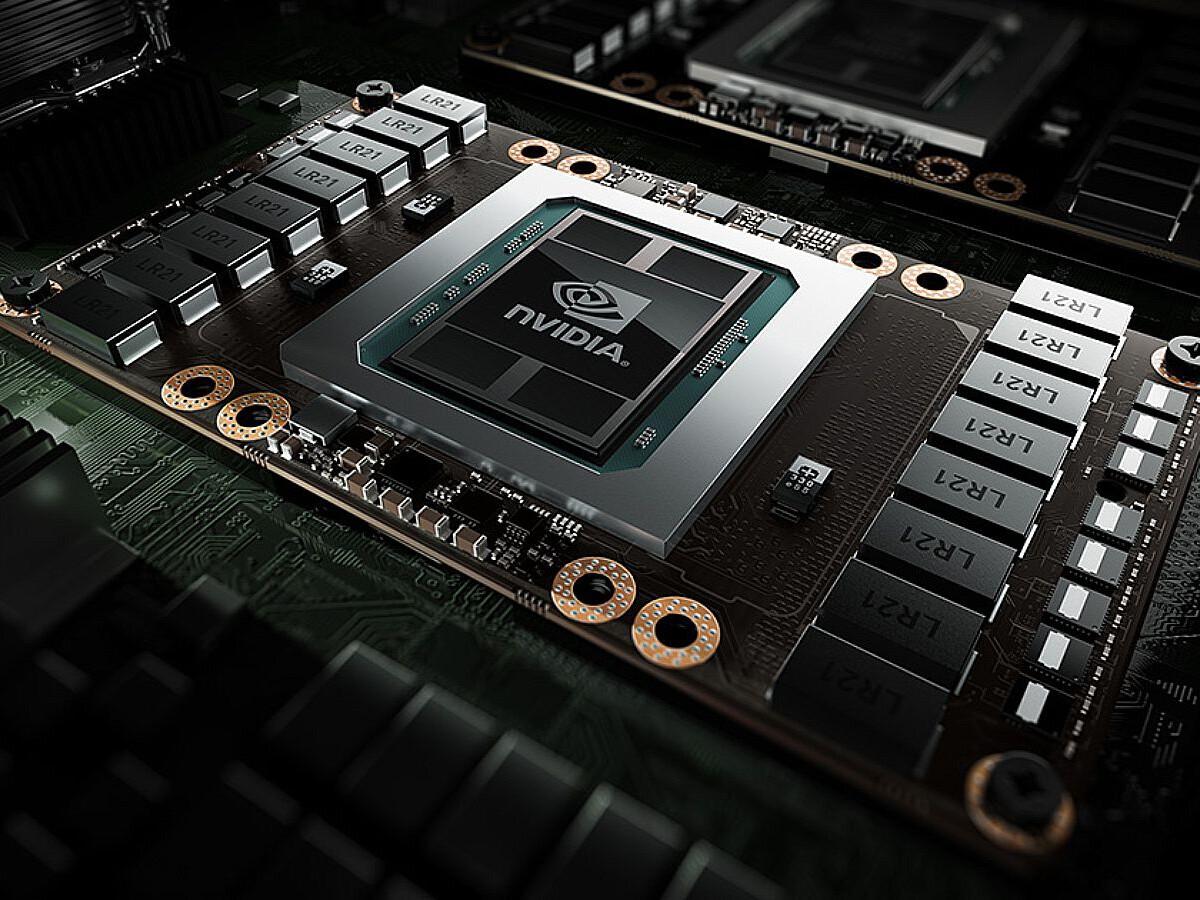
Nvidia remains a major force in AI computing, supported by its hardware and CUDA software platform. However, businesses may benefit when alternative hardware and software ecosystems become more practical to use.
AMD’s ROCm platform provides developers with an alternative environment for building and running GPU applications. Its compatibility with commonly used AI development tools can help organisations explore AMD hardware without having to abandon every element of their existing software stack.
The transition is not always straightforward. Developers may need to adapt code, check compatibility, optimise performance and test their applications before moving workloads between platforms. Not every AI application will perform equally well on every accelerator.
Nevertheless, additional infrastructure choices can give businesses more flexibility when evaluating performance, availability, pricing and long-term technology strategy.
For European startups, this matters because the cost of computing can affect how much money remains available for hiring, product development, marketing and customer acquisition.
More competition among infrastructure providers could create opportunities for businesses to select platforms that better match their technical requirements and budgets.
4. Sweden’s role in Europe’s AI computing expansion
Sweden offers several characteristics that make it attractive for large computing facilities, including access to relatively low-carbon electricity and an established technology sector.
Electricity is a major consideration for AI infrastructure. Large GPU clusters consume substantial amounts of power, while their cooling systems require additional resources to maintain reliable operating temperatures.
The environmental impact of a data centre depends on several factors, including its energy consumption, electricity supply, cooling design, equipment utilisation and the full lifecycle of its hardware.
Locating infrastructure in a region with a relatively low-carbon electricity mix can help reduce operational emissions compared with a more carbon-intensive supply. However, this does not automatically make a facility environmentally neutral.
Scaleway has identified Sweden as a strategic location for its AI infrastructure expansion. Its wider plans announced in October also include additional computing capacity in Copenhagen, Denmark, using Nvidia B300 technology, alongside expansion in Stockholm and Frankfurt.
These announcements indicate that the company is pursuing a multi-location strategy rather than relying on a single European computing hub.
Geographic distribution can help cloud providers serve customers in different markets, expand available capacity and offer more location choices. Actual benefits for individual customers will depend on the services offered, network performance, capacity and the relevant data-processing arrangements.
5. What the development could mean for European startups
For startups, AI infrastructure is not merely a technical consideration. It can directly influence product development, operating costs and the ability to compete.
A company developing a European-language AI assistant, for example, might need computing resources to fine-tune an existing model, evaluate its accuracy and operate the service for customers.
A healthcare technology startup could use AI to assist with administrative workflows, provided it meets the relevant privacy, security and regulatory requirements. A manufacturing software company might process industrial sensor data to predict equipment failures or improve production planning.
In each case, access to suitable computing resources can reduce the need to purchase and maintain expensive hardware independently.
Cloud-based infrastructure can also allow companies to increase or decrease their computing usage as demand changes. This flexibility can be especially valuable for early-stage businesses whose customer numbers and technical requirements are difficult to predict.
However, the availability of a new supercomputer does not automatically guarantee cheaper AI services. Pricing, capacity, service-level agreements, software compatibility and the cost of moving data all affect the final economics.
Startups should compare providers based on the complete workload rather than simply comparing the advertised price of an individual GPU.
They should also examine data retention policies, contractual protections, service availability and the geographic location of the infrastructure when these factors are important to their customers.
6. Europe’s wider competition for AI infrastructure
Scaleway’s Swedish announcement is part of a broader effort to expand AI computing options across Europe.
The continent has strong research institutions, industrial companies, engineering expertise and a growing community of AI startups. However, translating these strengths into globally competitive AI products requires infrastructure that can support both experimentation and large-scale deployment.
The competitive landscape includes several distinct layers.
First, there is the semiconductor industry, which develops the processors and accelerators used for AI computing. Second, server and networking suppliers build the systems that connect these processors. Third, cloud providers make computing resources available to customers. Finally, software developers build the applications that turn this infrastructure into useful products and services.
European businesses can participate in several of these layers, even when some of the underlying components come from international suppliers.
Scaleway’s project demonstrates this interconnected model: a French cloud provider, American chip technology and networking products, and several infrastructure partners working together on a deployment in Sweden.
The project therefore should not be viewed as proof that Europe has achieved complete technological independence. Instead, it is an example of how regional infrastructure can expand while relying on an international technology supply chain.
Long-term resilience will depend on several factors, including reliable access to advanced processors, skilled engineers, competitive energy supplies, investment, cybersecurity and the ability to operate infrastructure efficiently.
7. The challenges Europe must solve
Building AI infrastructure at scale requires significant capital investment. Data centres need land, power connections, servers, networking equipment, cooling systems and ongoing technical support.
Securing sufficient electricity capacity can be a major challenge, especially as demand from AI, cloud computing and other digital services increases.
There are also questions about the commercial sustainability of large investments. AI technology is evolving quickly, and hardware that is competitive today may face different performance and cost pressures as newer generations emerge.
Cloud providers must estimate future demand carefully. If they build too little capacity, customers may face shortages. If they build too much, expensive equipment may remain underused.
Software compatibility is another consideration. Developers need reliable tools, documentation and technical support to use alternative computing platforms effectively. A wider selection of hardware is most useful when customers can deploy their applications without excessive migration costs or engineering effort.
Finally, European infrastructure providers must compete on service quality, pricing, reliability and performance with established global cloud companies. Regional location alone will not guarantee customer adoption.
Success will depend on whether providers can turn investment into practical, competitive services for businesses.
8. What businesses should watch next
The next important milestones will be the delivery, deployment and commercial availability of the announced infrastructure.
Businesses should look for clear information about capacity, supported AI frameworks, pricing, access conditions and service reliability before making decisions based on the project.
It will also be worth watching whether additional European cloud providers expand their GPU offerings, whether software support for alternative accelerators improves and whether competition leads to better options for smaller customers.
For entrepreneurs, this market creates opportunities beyond building AI models. Businesses can develop tools for managing computing costs, optimising AI workloads, monitoring energy consumption, improving data security and helping companies move applications between platforms.
There may also be opportunities in specialised AI services for European industries, including manufacturing, logistics, financial services and customer support. The strongest businesses will be those that solve concrete customer problems rather than adopting AI simply because it is attracting attention.
Conclusion: Infrastructure will shape Europe’s AI future
Scaleway’s planned AMD-powered AI supercomputer in Sweden highlights an important development in Europe’s technology industry: the growing effort to expand access to high-performance AI computing and offer businesses more infrastructure choices.
The project brings together international technology suppliers and European cloud expertise, with the goal of serving startups, AI companies and enterprises across the continent.
Its ultimate impact will depend on implementation, commercial availability, software support, pricing and the ability to deliver reliable computing capacity at scale.
For Europe, the broader opportunity is clear. Strong AI infrastructure can support innovation, help startups develop new products and give established businesses additional tools to modernise their operations.
The race is far from over, and building infrastructure is only one part of the challenge. But as AI becomes more deeply embedded in the economy, access to computing power is likely to remain a central factor in Europe’s ability to turn technological ambition into commercially successful innovation.