Estonia’s Skeleton Technologies Becomes A $1 Billion Tech Company As Siemens Backs Ai Data-Centre Power Innovation
Skeleton Technologies Hits $1 Billion Valuation After Siemens Investment
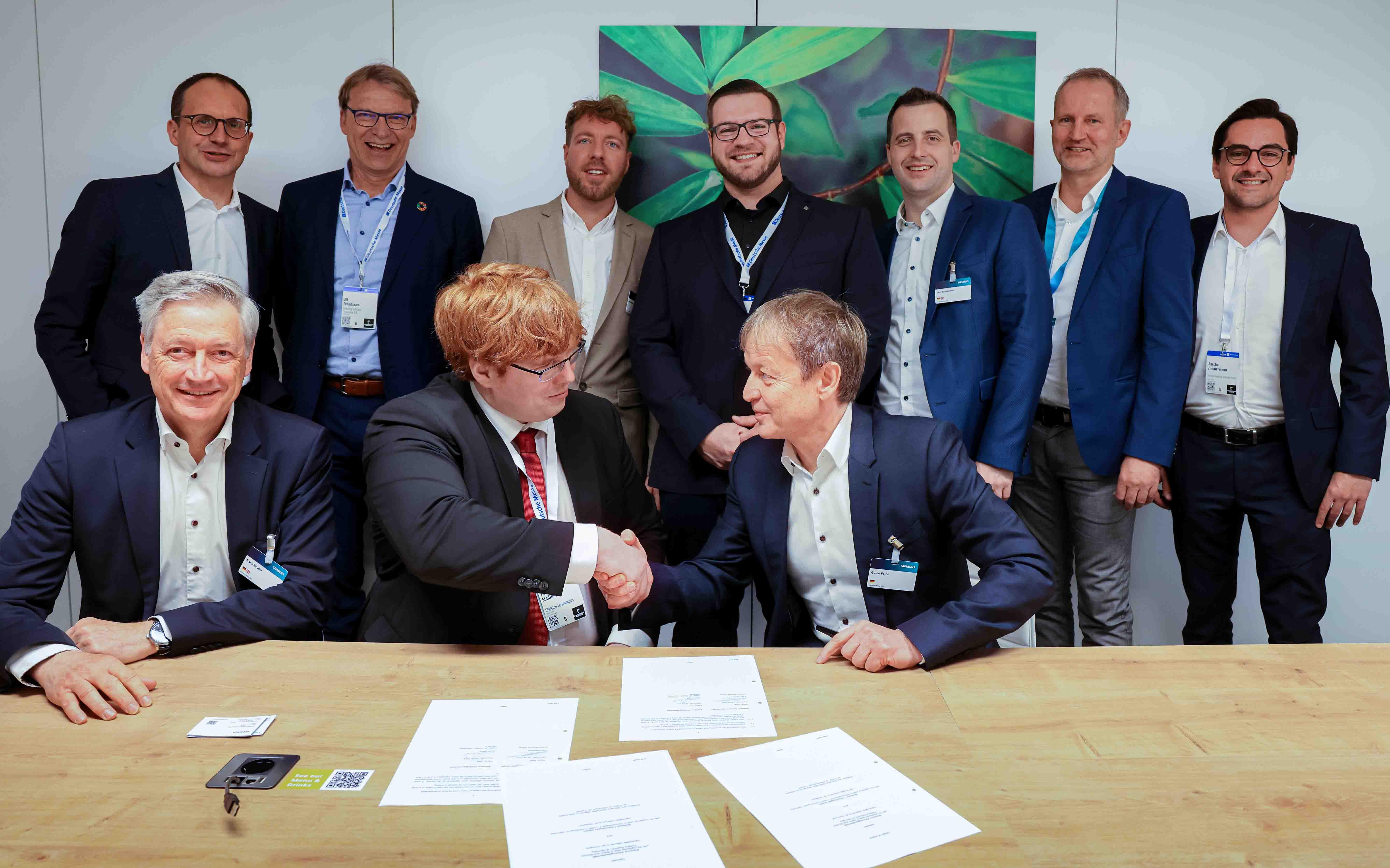
Europe’s technology industry has reached another important milestone as Skeleton Technologies, an Estonian energy technology company, has surpassed a $1 billion valuation following a strategic investment from German industrial giant Siemens.
Announced on 14 October 2026, the investment marks a significant development for the European deep-tech ecosystem. It also highlights an increasingly important reality in the artificial intelligence industry: building more powerful AI systems requires more than advanced processors and sophisticated software. It also requires reliable electrical infrastructure capable of handling the enormous and rapidly changing power demands of modern data centres.
Skeleton Technologies specialises in high-power energy storage systems, including supercapacitors designed to deliver and absorb electricity extremely quickly. Its technology is intended to help manage sudden fluctuations in power demand created by AI computing infrastructure.
The new investment will support Skeleton’s planned expansion in the United States, including manufacturing and research and development activities in Silicon Valley. The company plans to invest more than $200 million in scaling its US operations.
For Siemens, the partnership creates an opportunity to strengthen its position in the expanding AI data-centre market. For Skeleton, it provides the backing of a major industrial partner as it seeks to bring its technology to more customers.
The development also raises a broader question for Europe's technology sector: could innovations in energy storage become as important to the AI revolution as the chips themselves?
Why Siemens Is Investing in Skeleton Technologies
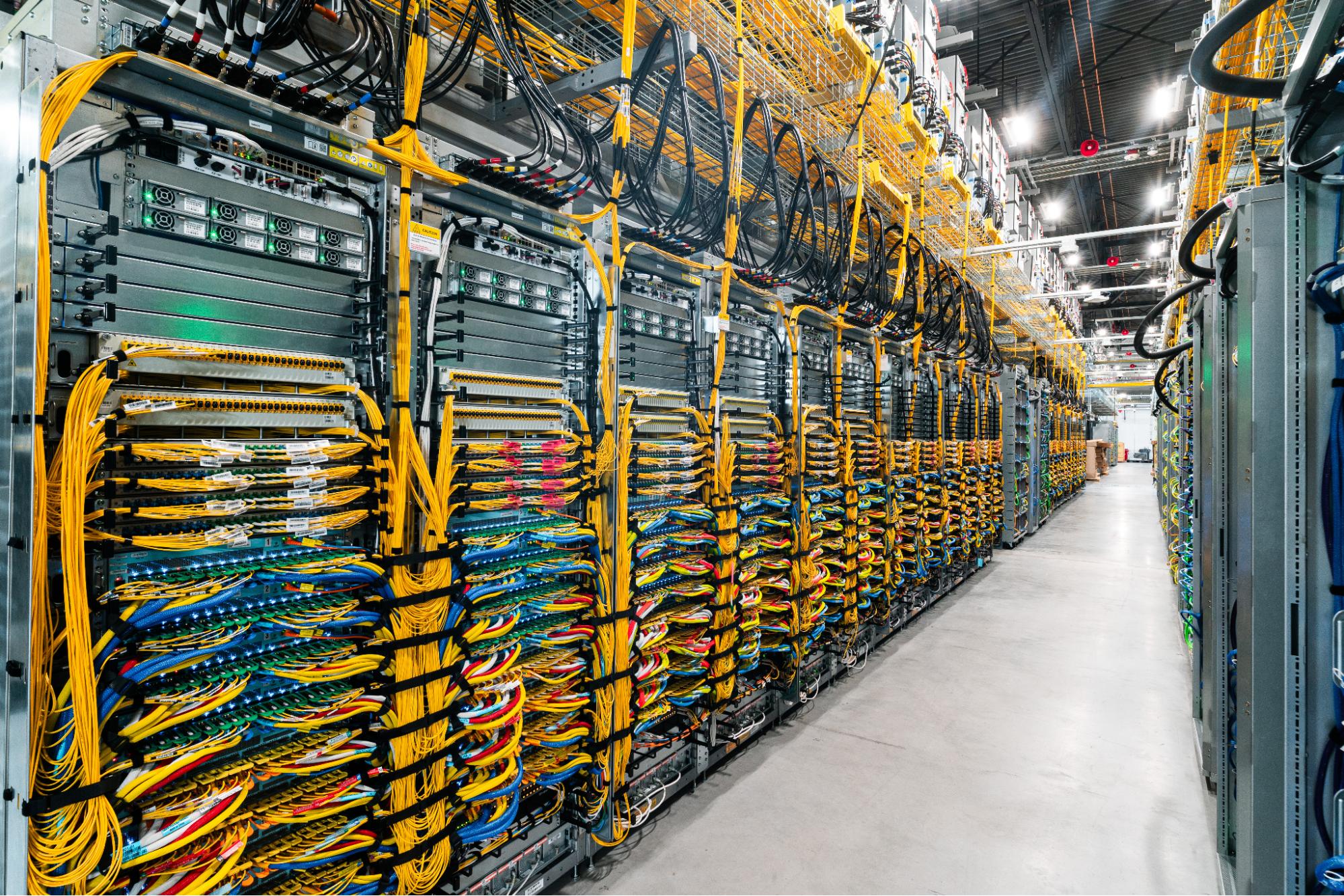
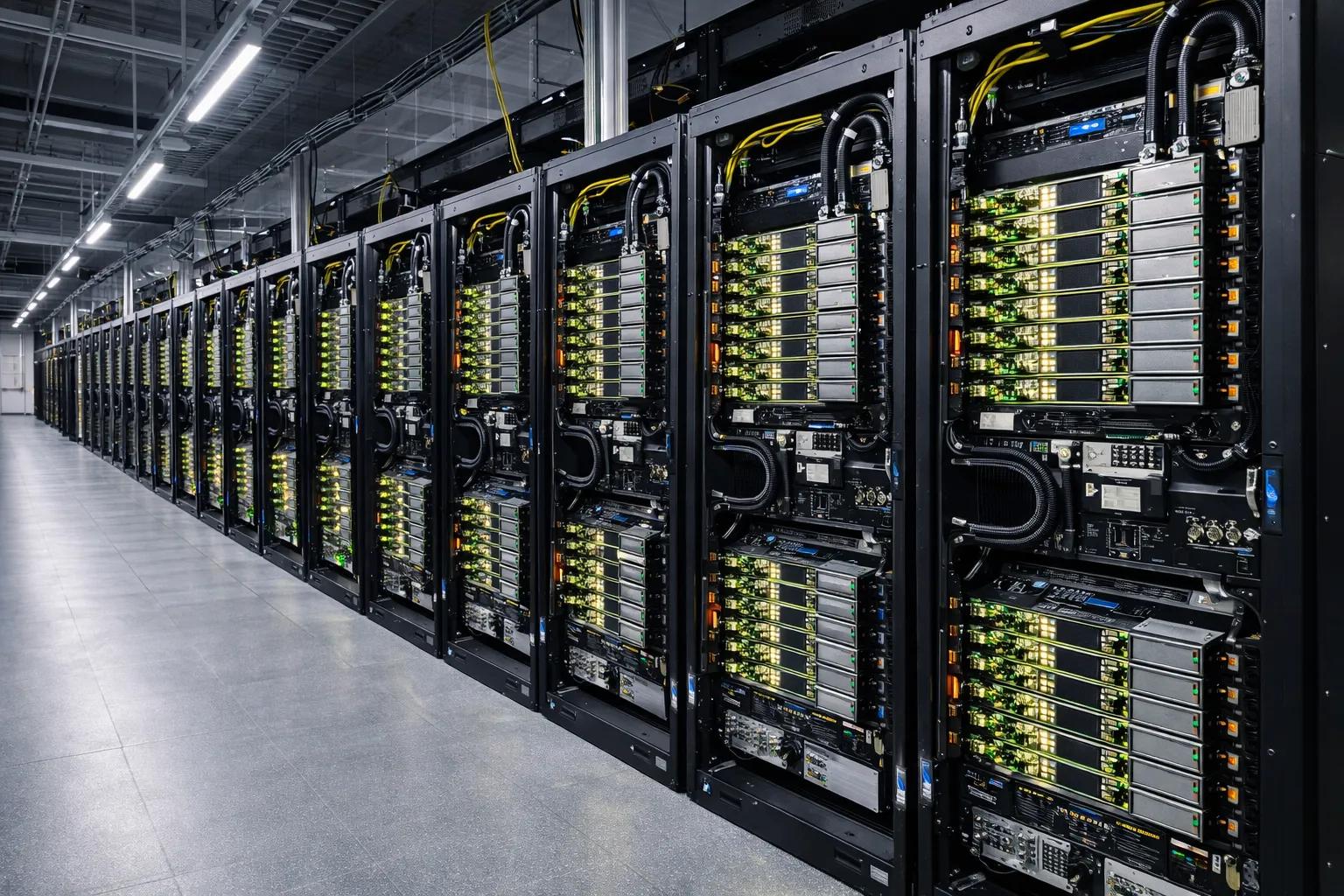
The rapid expansion of artificial intelligence has created unprecedented demand for computing infrastructure. Technology companies are building increasingly large data centres filled with graphics processing units, specialised accelerators and networking equipment to train and operate AI models.
However, these systems place significant demands on electrical infrastructure.
AI computing workloads can change their power consumption very quickly. Large clusters of processors may move between different operating states, producing sudden fluctuations in electricity demand. If these changes are not managed properly, they can place additional stress on power systems and complicate the operation of high-density computing facilities.
This is where Skeleton Technologies sees an opportunity.
The company develops high-power energy storage systems designed to respond to rapid changes in electrical demand. Its technology can help absorb or supply power during short-term fluctuations, supporting more stable operation of the equipment connected to it.
Siemens announced that it would make a strategic investment in Skeleton and establish an exclusive partnership covering the sale and scaling of Skeleton’s products in the data-centre market.
The companies intend to combine Skeleton’s energy storage technology with Siemens’ expertise in electrical infrastructure. Their goal is to develop solutions that address the needs of next-generation AI data centres, from electrical distribution systems to equipment installed closer to the computing racks.
The investment amount has not been officially disclosed by the companies, although it has been described as a nine-figure round. Skeleton’s valuation has risen above $1 billion as a result.
The agreement builds on an existing relationship. Siemens has supported Skeleton as a technology partner and investor, and Siemens Digital Industries previously designed and automated Skeleton’s SuperFactory in Leipzig, Germany.
The new partnership therefore represents an expansion of an established industrial relationship rather than an entirely new collaboration.
What Are Supercapacitors, and Why Do AI Data Centres Need Them?
Supercapacitors are energy storage devices that can charge and discharge much faster than conventional batteries in many applications.
Batteries are generally designed to store substantial amounts of energy and release it over longer periods. Supercapacitors, by comparison, are particularly useful when systems need rapid bursts of power or must absorb short-lived electrical fluctuations.
This distinction matters for AI infrastructure.
A data centre may require a large, continuous supply of electricity, but its computing equipment does not necessarily consume power at a perfectly constant rate. Sudden changes in workload can create brief peaks and dips in demand.
Supercapacitors can act as a buffer, helping manage these rapid changes without requiring the entire electrical system to respond instantaneously.
For example, when a computing cluster experiences a sudden increase in power demand, a suitable storage system may supply some of the additional power for a short period. When demand falls, the system may absorb excess energy, depending on its design and operating configuration.
This can help reduce electrical fluctuations and support the reliable operation of sensitive equipment.
However, supercapacitors are not a replacement for the entire power supply of a data centre. They work alongside other components, potentially including grid connections, transformers, power converters, batteries and backup systems.
Their value lies in addressing a particular problem: responding quickly to changes in power demand.
As AI data centres become more complex, technologies that help operators use their available electrical capacity more effectively could become increasingly valuable.
Skeleton Technologies’ Curved Graphene Technology
One of Skeleton Technologies’ key technological differentiators is its proprietary Curved Graphene material.
The company has developed this material for high-power applications, with a focus on rapid energy delivery, efficiency and the operating life of its storage cells.
Graphene is a carbon-based material that has attracted significant scientific and commercial interest because of its electrical, thermal and structural properties. In energy storage, the characteristics of the materials used in electrodes can influence how quickly a device stores and releases energy.
Skeleton applies its materials technology to supercapacitors and combines the resulting cells with power electronics and system-level controls.
This integrated approach is important because the performance of an energy storage device depends on more than its underlying material. The way cells are assembled, controlled and connected to the electrical system also influences the performance of the complete installation.
The company says its systems can help reduce power disturbances and improve the efficiency of AI computing infrastructure. Skeleton has also claimed energy savings of up to 40% and double-digit improvements in GPU performance in relevant applications.
These figures should be understood as company-reported claims rather than universal results. Actual savings and performance improvements will depend on the system design, workload, installation and operating conditions. They should not be interpreted as guaranteed improvements for every data centre.
Nevertheless, the technology addresses a genuine engineering challenge: ensuring that the electrical infrastructure supporting AI can keep pace with the rapidly changing requirements of advanced computing systems.
Why the AI Boom Is Creating a New Energy Technology Market
The AI industry has largely been associated with software companies, chip designers and cloud providers. Increasingly, however, attention is shifting towards the physical infrastructure that makes AI possible.
Data centres need electricity generation, grid connections, transformers, cooling systems, power distribution equipment and energy management technology. These requirements create opportunities for companies working in electrical engineering and energy storage.
The International Energy Agency has warned that electricity consumption from data centres is expected to grow significantly as digital services and AI expand. The exact pace of growth will depend on factors including AI adoption, hardware efficiency, computing demand and infrastructure development.
The key point for businesses is that computing capacity cannot expand indefinitely without corresponding investment in power infrastructure.
In some locations, obtaining sufficient electricity and connecting new facilities to the grid can be a significant constraint. Building new infrastructure may also involve lengthy planning, construction and equipment procurement processes.
Technologies that help manage electrical demand more effectively could therefore support data-centre operators seeking to increase computing capacity within existing infrastructure limits.
This does not mean energy storage can eliminate the need for additional electricity generation or grid investment. Rather, it can form part of a broader strategy to improve reliability, manage demand fluctuations and make better use of available capacity.
For technology investors, this creates an opportunity beyond the familiar AI software and semiconductor markets.
Companies that solve difficult infrastructure problems may become essential suppliers to the AI ecosystem, even if their products are not directly involved in training or running AI models.
What the Siemens Partnership Means for Skeleton’s Global Expansion
Skeleton plans to invest more than $200 million in expanding its US operations and research and development activities in Silicon Valley.
The company intends to work directly with large cloud and computing operators, often referred to as hyperscalers, to develop power systems suited to their infrastructure requirements.
It also plans to establish US-based cell manufacturing, with the aim of creating a more integrated domestic supply chain covering cells and complete systems.
This expansion is commercially significant because the United States hosts some of the world's largest cloud computing and AI infrastructure businesses. Being closer to customers can help technology suppliers collaborate on product design, testing and deployment.
The Siemens partnership could also provide Skeleton with access to industrial expertise and a broader commercial network. Siemens already operates across electrical infrastructure and serves customers in the data-centre industry.
By integrating Skeleton’s technology into its wider portfolio, Siemens aims to expand the range of solutions it can offer customers building or upgrading AI facilities.
For Skeleton, the opportunity is to move beyond supplying individual technologies and become part of a larger infrastructure ecosystem.
The expansion also illustrates a wider trend in European technology: companies may develop their core innovations in Europe while establishing manufacturing and commercial operations in other major markets.
This can accelerate international growth, although it also creates questions about where future jobs, manufacturing capabilities and economic value will be concentrated.
What Does the Deal Mean for Europe’s Deep-Tech Industry?
Skeleton’s valuation milestone is relevant to Europe because it demonstrates the potential of businesses operating at the intersection of materials science, energy storage and industrial engineering.
Deep-tech companies often face different challenges from software startups. Developing physical products can require specialised laboratories, expensive equipment, manufacturing facilities, lengthy testing and substantial capital before a business reaches scale.
Access to experienced industrial partners can help bridge the gap between a promising technology and a product that can be manufactured and deployed commercially.
Siemens brings experience in industrial automation and electrical infrastructure, while Skeleton contributes specialised energy storage technology. Their partnership illustrates how established companies and smaller technology innovators can work together to develop products for emerging markets.
The deal may also encourage entrepreneurs and investors to look beyond consumer applications when assessing technology opportunities.
Energy infrastructure, advanced materials, industrial software, robotics and semiconductor manufacturing all play important roles in the broader digital economy. As AI adoption increases, demand for technologies supporting these sectors may also grow.
For European policymakers, the challenge is to ensure that innovative companies can access capital, skilled workers, manufacturing capacity and international customers as they scale.
Europe already has significant engineering and industrial expertise. Turning that expertise into globally competitive technology businesses will require continued investment and effective collaboration between startups, research institutions and established companies.
Skeleton Technologies provides one example of how this process can work.
Challenges and Risks to Watch
Despite the positive announcement, several challenges will determine whether the partnership delivers its intended results.
Commercial adoption: Data-centre operators must evaluate whether supercapacitor systems provide sufficient benefits relative to their cost, installation requirements and alternatives.
Performance validation: Energy savings and computing improvements will depend on real-world operating conditions. Independent testing and customer deployments will be important in establishing the scale of the benefits.
Manufacturing expansion: Increasing production in the United States will require capital, skilled employees, reliable suppliers and consistent product quality.
Competition: Skeleton operates in a broader energy storage and electrical infrastructure market that includes established suppliers and emerging technologies. It will need to maintain a compelling technical and commercial advantage.
AI infrastructure economics: Demand for data-centre capacity may continue to grow, but investment cycles, electricity costs, regulation and the economics of AI services can affect how quickly projects proceed.
These considerations do not diminish the significance of the partnership. They highlight the difference between securing investment and achieving long-term commercial success.
The next important milestones will be the development of products, customer deployments, manufacturing progress and evidence of measurable performance in operational data centres.
The Future of AI May Depend on More Than Chips
Skeleton Technologies’ rise above a $1 billion valuation shows how the AI boom is creating opportunities in areas that receive less attention than processors and software.
The company's technology focuses on managing rapid electrical fluctuations that can occur when large computing systems change their workloads. With Siemens providing strategic investment and commercial support, Skeleton aims to expand its role in the infrastructure supporting AI.
The partnership also highlights the value of combining European engineering innovation with the industrial capabilities of established global companies.
For businesses, investors and entrepreneurs, the lesson is clear: the next phase of the AI revolution will depend not only on making computers more powerful, but also on developing the infrastructure that allows them to operate efficiently and reliably.
Whether Skeleton ultimately becomes a leading global supplier of AI data-centre power systems will depend on its ability to scale manufacturing, win customers and demonstrate its technology’s value.
For now, its partnership with Siemens marks an important development for Estonia’s technology sector and a notable example of European deep-tech innovation targeting a global infrastructure challenge.