Bosch Launches €100 Million Spark Fund To Back Germany’s Next Generation Of Deep-Tech Startups
Bosch Launches €100 Million Fund for German Startups in 2027
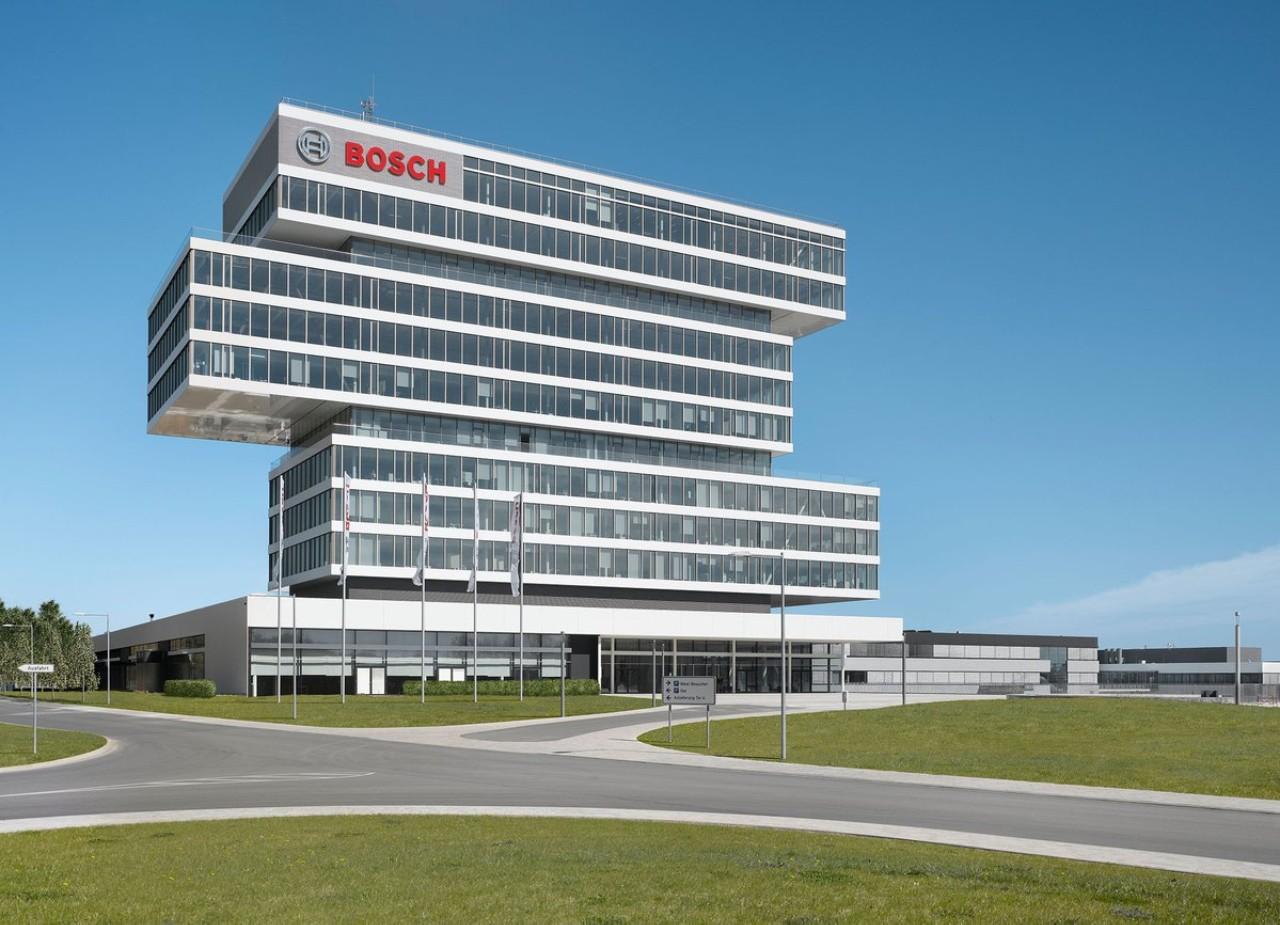
Germany’s startup ecosystem has received a significant funding boost following an announcement from Bosch, the global technology and engineering group. Through its venture capital arm, Bosch Ventures, the company is establishing a dedicated €100 million fund called Spark to support technology startups based in Germany.
Announced on October 8, 2026, the initiative is scheduled to begin making investments on January 1, 2027. It will focus particularly on seed-stage and early-stage deep-tech businesses, while also allowing Bosch Ventures to support successful portfolio companies in later financing rounds.
The fund will invest across Germany, with particular attention to Baden-Württemberg, the region where Bosch has its roots. According to the company's announcement, Spark is intended to strengthen Germany's innovation ecosystem while helping Bosch establish connections with emerging technologies and new business models.
For entrepreneurs, this development is important because it demonstrates how established industrial companies can support startups through both capital and commercial relationships.
Official announcement: Bosch Media Service.
What Is the Bosch Spark Fund?
The Spark Fund is a dedicated venture capital initiative managed by Bosch Ventures. Unlike a general startup grant, it is a venture investment programme designed to support companies developing technologies relevant to future industrial and consumer markets.
Bosch Ventures has invested in startups around the world since 2007. The company reports that its investment activities have covered more than 100 startups, with approximately 70 active investments in its portfolio.
The new €100 million fund adds a specific investment programme for German companies to Bosch Ventures' existing global investment activities.
The fund is intended to support startups at different stages of development, with an emphasis on seed and early-stage opportunities. It may also provide follow-on investment for successful companies that need additional capital to expand.
According to the official Spark website, investments can reach up to €10 million per company, depending on the opportunity and investment stage.
This means eligible founders may have an opportunity to approach a corporate venture capital investor that understands industrial technology, engineering and commercial deployment.
However, the announcement does not mean every German startup can automatically receive funding. Investment decisions will depend on a company's technology, business model, strategic relevance and other assessment criteria.
Which Industries Will the Fund Target?
Bosch's investment priorities reflect industries where advanced technology could change how businesses operate.
1. Artificial Intelligence and Deep Learning
Artificial intelligence is becoming increasingly important across manufacturing, enterprise software, logistics and business operations.
Startups developing AI products may explore applications such as predictive maintenance, automated quality inspection, intelligent document processing and decision-support systems.
For example, a startup could build a system that analyses equipment data to identify potential failures before a machine stops working. Another might develop software that helps industrial businesses organise large amounts of operational information.
The strongest opportunities often involve applying AI to a clearly defined problem rather than building a general-purpose tool without a specific customer.
2. Robotics and Industrial Automation
Manufacturers are continually looking for ways to improve productivity, consistency and workplace safety.
Robotics startups can develop solutions for repetitive tasks, warehouse operations, inspection, assembly and other industrial processes. Software that allows existing equipment to operate more intelligently can also create opportunities.
These businesses can face high development costs because they may need physical prototypes, testing facilities, hardware integration and industrial customers willing to trial new systems.
Investors with experience in engineering and manufacturing may therefore offer useful insight alongside funding.
3. Semiconductors and Advanced Computing
Semiconductors are essential to modern electronics, AI systems, vehicles and industrial equipment.
Deep-tech startups working on chip design, specialised processors, memory technology, sensors and computing architectures may benefit from increased investment in advanced hardware.
However, semiconductor businesses often require significant capital and long development cycles. Founders must consider technical validation, manufacturing partners, intellectual property protection and access to specialised talent.
The Spark Fund's stated interest in semiconductors and next-generation computing makes this a relevant area for founders developing differentiated hardware or software technologies.
4. Electrification and Mobility
Electric systems, power electronics, autonomous systems and mobility technologies are also relevant to Bosch's wider business interests.
Potential startup applications include intelligent charging infrastructure, energy-efficient components, vehicle sensors and software for connected mobility.
Entrepreneurs in this sector need to demonstrate that their technology can operate reliably in real-world environments. Partnerships with established manufacturers can help startups test products and understand commercial requirements.
5. Climate Technology and Healthcare
The official Spark investment priorities also include climate-related technologies and healthcare applications.
Climate-tech startups might develop energy-management software, more efficient energy-conversion systems or technologies that improve resource utilisation.
Healthcare innovators could focus on diagnostic devices, connected medical technologies, digital health services and tools that support patient management.
Both industries can require extensive testing, regulatory planning and specialist expertise. Startups must assess these requirements early rather than assuming that securing investment will automatically lead to commercial success.
Why Corporate Venture Capital Matters to Startups
Traditional venture capital firms primarily invest to generate financial returns. Corporate venture capital teams can also look for technologies that complement their parent company's operations and long-term strategy.
This creates potential advantages for startups.
First, a corporate investor may understand the practical challenges of deploying a technology at scale. Its experience can help founders refine product design, identify potential customers and understand industry requirements.
Second, an established company may provide opportunities for pilot projects or commercial partnerships. A startup developing industrial software, for instance, may benefit from testing its solution in a real operational environment.
Third, corporate relationships can help young businesses learn about procurement, integration, reliability and support requirements that smaller teams may not encounter during early product development.
These benefits are not guaranteed. A corporate investor does not necessarily promise customer contracts, distribution or technical support simply by investing.
Founders should carefully review investment agreements, intellectual property provisions, exclusivity clauses and any restrictions that could affect future fundraising or partnerships.
The objective is to secure a relationship that helps the startup grow without unnecessarily limiting its independence.
What German Entrepreneurs Should Do Before Approaching Investors
The Spark announcement creates a reason for German deep-tech founders to review their fundraising plans. Entrepreneurs should prepare carefully before approaching Bosch Ventures or any other corporate investor.
Develop a clear investment proposition
Founders should be able to explain the problem their technology solves, who experiences the problem and why existing solutions are insufficient.
A concise investment presentation should cover the market opportunity, product differentiation, business model, competitors, team and financial projections.
Technical complexity alone is not enough. Investors also need to understand how the technology could become a sustainable business.
Demonstrate technical progress
Deep-tech investors may expect evidence that a product is technically feasible.
Depending on the business, this could include a working prototype, laboratory results, successful customer trials, intellectual property or independent technical validation.
Founders should distinguish between what has already been demonstrated and what remains part of their development roadmap.
Identify a realistic funding requirement
A startup should calculate how much money it needs, what the investment will finance and which milestones it expects to achieve.
For example, a company might seek capital to complete a prototype, hire engineering specialists, conduct industrial trials or prepare for commercial manufacturing.
A realistic funding plan is more persuasive than requesting a large amount without explaining how the capital will create measurable progress.
Establish customer demand
Customer interviews, pilot projects, letters of intent and early revenue can help demonstrate that a startup is solving a genuine problem.
Not every deep-tech business can generate revenue immediately, particularly when hardware development or regulatory approval takes time. Nevertheless, founders should identify credible evidence that customers need the eventual product.
Research strategic compatibility
Before approaching Bosch Ventures, founders should review its stated investment areas and portfolio.
A startup developing industrial AI or advanced sensors may have a different strategic fit from a company operating an unrelated consumer application.
Founders should use the official Bosch Ventures Spark website to review the programme's latest investment focus and contact information.
What Does This Mean for Europe's Startup Ecosystem?
The Spark Fund is part of a wider discussion about Europe's ability to turn scientific research and technical expertise into successful businesses.
Europe has established engineering universities, industrial companies, research organisations and specialist technology clusters. However, developing a technology in a laboratory and bringing it to a large commercial market are different challenges.
Deep-tech companies may need years of research, expensive equipment, specialist employees and multiple rounds of financing before reaching substantial revenue.
Corporate investment programmes can help bridge some of these gaps by connecting capital with industrial experience and potential commercial applications.
Germany is particularly relevant because of its established manufacturing and engineering base. Startups working on robotics, automation, advanced materials, semiconductors and industrial software may be able to explore partnerships with companies that understand these markets.
Still, a €100 million fund cannot resolve every challenge facing European founders. Access to experienced talent, follow-on financing, customer adoption and international expansion remain important factors in building competitive businesses.
The long-term impact of Spark will depend on how effectively the fund identifies promising companies and helps them develop technologies into commercially viable products.
Risks and Challenges Founders Should Consider
Despite the opportunity, entrepreneurs should not treat the announcement as guaranteed funding.
Venture capital is competitive, and investors typically assess a startup's technical capabilities, market potential, financial needs and strategic fit.
Deep-tech businesses also face risks that may be less common in some software startups. These can include long product-development cycles, complex supply chains, expensive testing and difficulty scaling manufacturing.
Founders must also consider the terms attached to external investment. Selling equity can provide capital and strategic support, but it reduces existing shareholders' ownership.
It is equally important to explore other financing options, including grants, research partnerships, accelerator programmes, customer-funded development and alternative venture capital investors.
A diversified funding strategy can reduce dependence on a single potential investor.
Conclusion: A New Opportunity for Germany's Deep-Tech Founders
Bosch's €100 million Spark Fund represents a significant new commitment to German technology startups, with investments scheduled to begin in January 2027.
Its focus on artificial intelligence, automation, semiconductors, mobility, climate technology and healthcare reflects the growing importance of advanced technologies to future industries.
For founders, the key lesson is to combine technical innovation with commercial discipline. A promising technology needs a clear market, a credible development plan, evidence of customer demand and a business model capable of supporting long-term growth.
Corporate venture capital can offer more than financing when the relationship creates opportunities for collaboration and real-world deployment. However, founders must evaluate investment terms and strategic compatibility carefully.
As Germany prepares for the launch of Spark, deep-tech entrepreneurs have another potential source of capital to investigate. The next step for interested companies is to review the fund's official criteria, prepare a strong investment proposition and assess whether their technology aligns with Bosch Ventures' priorities.