Nvidia Invests In French Ai Startups: What The Latest Deal Means For Europe’s Startup Ecosystem
Nvidia Invests in French AI Startups: What It Means for Europe
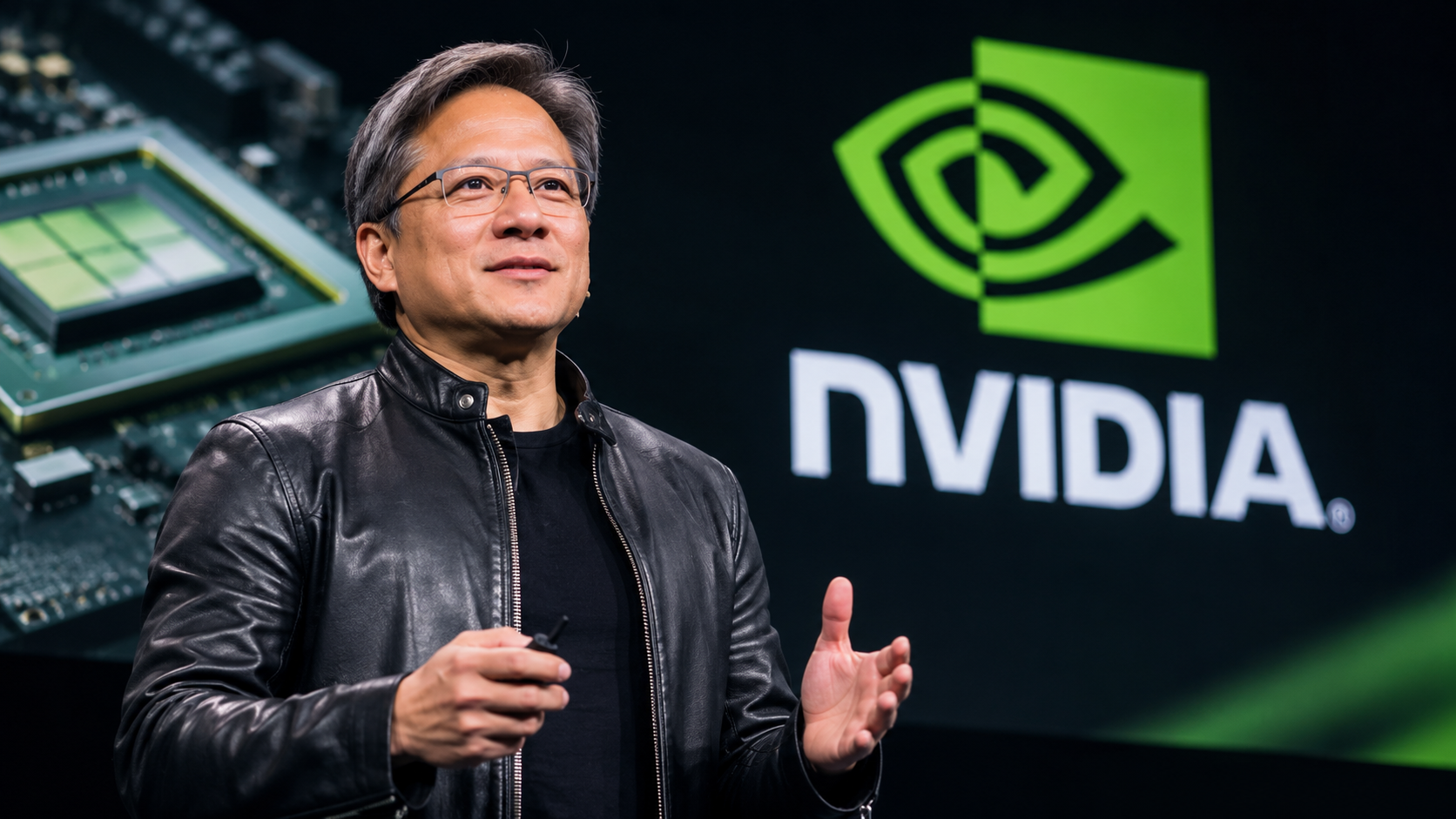
Europe’s artificial intelligence ecosystem has received another important signal of investor interest. On October 13, 2026, US semiconductor company Nvidia agreed to acquire minority stakes in French technology companies Doctolib and Genesis AI, according to Reuters.
The investments highlight the increasing strategic importance of European AI companies, particularly those developing technology for healthcare and advanced artificial intelligence applications. Although the financial terms and exact ownership stakes were not disclosed, the announcements point to a growing connection between European innovation and global technology investment.
For entrepreneurs, the development raises an important question: what makes European AI startups attractive to major international technology companies, and how can smaller businesses benefit from the growing demand for AI?
The answer goes beyond funding. It involves industry expertise, specialised technology, access to customers, strategic partnerships and the ability to solve genuine business problems.
What Happened in Nvidia’s Latest European Investments?
According to Reuters, Nvidia agreed to purchase minority stakes in Doctolib and Genesis AI. Doctolib said Nvidia’s involvement would help it develop its artificial intelligence tools, while Genesis AI confirmed Nvidia’s position as a strategic investor.
Reuters also reported that French newspaper Les Echos had identified two additional companies, Entalpic and Pigment, as recipients of Nvidia investments. Those companies had not immediately responded to Reuters’ requests for comment at the time of publication.
The reported investments are significant because Nvidia is not simply a financial investor. The company is a major supplier of computing technology used to develop and run modern AI systems.
Its involvement can potentially provide strategic value to companies building products that require advanced computing infrastructure. However, the specific commercial arrangements, technical support and other benefits associated with these investments have not been publicly detailed.
The announcement also illustrates a broader trend: leading technology companies are increasingly interested in the businesses developing applications, infrastructure and specialised systems around artificial intelligence.
Why Doctolib Matters to Europe’s Healthcare Technology Market
Doctolib is a French-founded healthcare technology company known for its digital services connecting patients with healthcare professionals. Its platform supports activities such as appointment scheduling and healthcare administration.
Healthcare is a promising area for AI because providers regularly handle large volumes of information, scheduling tasks, administrative requests and communication with patients.
AI tools could potentially assist healthcare organisations with administrative workflows, patient communication, document processing and other repetitive tasks. Used appropriately, these systems may help professionals spend less time on routine work and more time supporting patients.
However, healthcare is also one of the most demanding industries in which to deploy AI.
Medical information is sensitive, errors can have serious consequences, and healthcare organisations must comply with applicable privacy, security and medical regulations. Any AI product used in clinical settings requires careful assessment of its intended purpose, accuracy, reliability and human oversight.
Nvidia’s investment in Doctolib may therefore be viewed as a signal of interest in healthcare-related AI opportunities. It should not, however, be interpreted as proof that a particular new product has launched or that measurable healthcare outcomes have already improved.
For entrepreneurs, the lesson is clear: successful healthcare technology must address real operational problems while earning the trust of professionals, patients and regulators.
Genesis AI and the Opportunity in Advanced Artificial Intelligence
Genesis AI is another French company identified in the investment announcement.
The company’s inclusion highlights the broader interest in advanced AI development. While consumer-facing applications often receive the most attention, the AI ecosystem also depends on research, computing infrastructure, specialised software and technologies that enable more capable systems.
Building advanced AI can require substantial investment in engineering talent, computing resources, research and product development. Strategic investors can be important in supporting companies operating in these capital-intensive areas.
Nevertheless, not every entrepreneur needs to develop a foundational AI model or build an expensive research laboratory.
Many opportunities exist in applying existing AI technology to specific industries. Examples include tools that help small businesses process documents, software that supports customer service, systems that assist manufacturers with quality checks and applications that help professional services firms organise information.
These businesses can sometimes begin with smaller teams and more focused budgets than companies attempting to develop large AI models from scratch.
The key is identifying a problem that customers are willing to pay to solve.
Europe’s Startup Funding Market Is Becoming More AI-Focused
The Nvidia announcement comes amid strong reported venture funding activity in Europe.
According to Crunchbase data reported by The Next Web on October 8, European startups raised approximately $25 billion during the third quarter of 2026. This was reported as the region’s strongest quarter for venture funding in four years.
AI companies accounted for approximately $18.8 billion, or 75% of the total, according to the same report. The UK led the regional funding figures, followed by Germany and France.
These figures suggest that artificial intelligence is playing a central role in the European venture capital market. They also show why founders, investors and established businesses are paying closer attention to AI-related opportunities.
However, headline funding figures do not mean that capital is equally accessible to every startup.
A small business building an AI-powered scheduling tool may face very different fundraising conditions from a company developing advanced computing infrastructure. Investors typically assess factors such as market size, technical differentiation, commercial traction, the experience of the team and the potential for future growth.
For founders, understanding the distinction between market enthusiasm and actual investor requirements is essential.
Five Lessons European Entrepreneurs Can Learn From This News
1. Build Around a Real Customer Problem
The strongest startup ideas often begin with an identifiable problem rather than a technology looking for a use case.
For example, a small business may struggle to respond to customer enquiries quickly, manage invoices or maintain accurate records. A focused AI tool that improves one of these workflows may offer more immediate value than a general-purpose product without a clear target customer.
Before developing a solution, entrepreneurs should interview potential users, understand their existing processes and establish whether the problem is significant enough to justify paying for a new product.
2. Choose a Specific Industry
Healthcare, manufacturing, logistics, finance, retail and professional services each have different operational challenges.
Specialising in one industry can help a startup understand customer requirements, build relevant features and develop a clearer sales message.
A founder does not need to compete directly with the largest AI laboratories. Instead, the opportunity may lie in adapting available technology to a sector that is underserved by existing products.
Industry knowledge can become a meaningful advantage.
3. Treat Trust and Compliance as Business Advantages
AI products may process personal information, confidential business documents or commercially sensitive data.
Founders should consider data protection, access controls, security testing, human review and transparency from the beginning of product development.
For businesses operating in Europe, relevant requirements may include the General Data Protection Regulation and applicable provisions of the EU AI Act. The exact obligations depend on the product, its use case, the organisations involved and the rules in force.
Compliance should not be treated as an issue to address only after a product has attracted customers. For many business buyers, strong security and clear governance are part of the purchasing decision.
4. Look for Strategic Partnerships
A startup does not always need to build every component itself.
Partnerships with established software providers, industry specialists, research institutions and distribution partners can help founders access expertise and reach customers.
For example, an AI startup serving clinics might partner with healthcare software providers rather than attempt to replace every system a clinic already uses.
Strategic partnerships require careful planning, including clear commercial terms, technical responsibilities and protection of intellectual property. They can be valuable, but they do not guarantee sales or investment.
5. Measure Commercial Progress, Not Just Technology Performance
An impressive demonstration does not automatically translate into a sustainable business.
Founders should measure whether their product reduces costs, saves time, improves accuracy, increases revenue or provides another outcome customers value.
Useful indicators may include customer retention, recurring revenue, product adoption, the cost of acquiring customers and the time required to deliver measurable results.
These metrics can help a company decide whether to expand, refine its offering or change direction.
Opportunities for Small Businesses and Early-Stage Founders
The growth of European AI investment creates opportunities beyond companies receiving venture capital.
Small software agencies, consultants and technology entrepreneurs can develop services that help traditional businesses adopt AI responsibly.
Potential business opportunities include:
AI implementation services: Helping small and medium-sized businesses integrate suitable AI tools into existing workflows.
Industry-specific automation: Building solutions for appointment management, customer support, document handling or internal reporting.
AI security and governance: Helping organisations assess access permissions, protect sensitive data and monitor AI-enabled workflows.
Data preparation and integration: Connecting fragmented business systems and improving the quality of information used by AI applications.
Training and adoption support: Teaching employees how to use AI tools effectively and safely.
These opportunities are not guaranteed to be profitable. Entrepreneurs must validate demand, evaluate competitors, understand implementation costs and ensure their products comply with relevant requirements.
A practical starting point is to select one customer group, identify a recurring problem and test a small solution before committing substantial resources.
What Challenges Could Limit Europe’s AI Startup Growth?
Despite the encouraging investment figures, European founders still face significant challenges.
Advanced AI development can require expensive computing resources, experienced researchers and access to substantial capital. Startups building products for regulated industries may also need additional time and resources for security, testing and compliance.
Europe’s markets are diverse, with different languages, business practices and regulatory considerations. A product that succeeds in one country may require localisation and new partnerships before it can expand into another.
Competition is another concern. Large technology companies can offer extensive infrastructure, established distribution channels and significant research budgets. Smaller startups must therefore identify defensible advantages, such as specialised industry knowledge, better customer service, unique data access or a product tailored to a particular workflow.
Finally, founders should avoid assuming that investor enthusiasm will continue indefinitely. Funding conditions can change, and companies need a credible plan for revenue, costs and long-term sustainability.
What This Means for the Future of European Entrepreneurship
Nvidia’s reported investments in Doctolib and Genesis AI reflect the growing strategic interest in European technology companies.
The development is particularly relevant because it connects an influential global computing company with startups operating in France’s technology ecosystem. Alongside the region’s recent venture funding activity, it reinforces the importance of AI across multiple industries.
Yet the most useful lesson for entrepreneurs is not that every startup should pursue AI funding.
It is that businesses capable of solving specific problems, demonstrating measurable value and earning customer trust can create opportunities in a rapidly changing technology market.
For some founders, that may mean developing advanced AI research. For others, it may mean creating a practical automation service for local businesses or building software for a specialised industry.
Both approaches require customer understanding, disciplined execution and a sustainable business model.
Conclusion
The latest Nvidia investment news highlights the growing international interest in France’s AI ecosystem and the wider European startup market. Although the financial terms of the reported investments remain undisclosed, the announcement offers a useful perspective on how strategic technology investors are engaging with emerging companies.
For European entrepreneurs, the opportunity is to turn technological progress into practical business value. Startups that understand their customers, build responsibly and demonstrate clear commercial results may be better positioned to grow—whether they seek venture capital or build their businesses through revenue.
Europe’s AI story will ultimately be shaped not only by the size of investment rounds, but also by the companies that transform innovation into useful, trusted products and sustainable businesses.