Europe’s Industrial Ai Revolution: How Abb, Siemens And Schneider Electric Are Transforming Manufacturing
Europe’s Industrial AI Revolution: ABB, Siemens and Schneider Electric
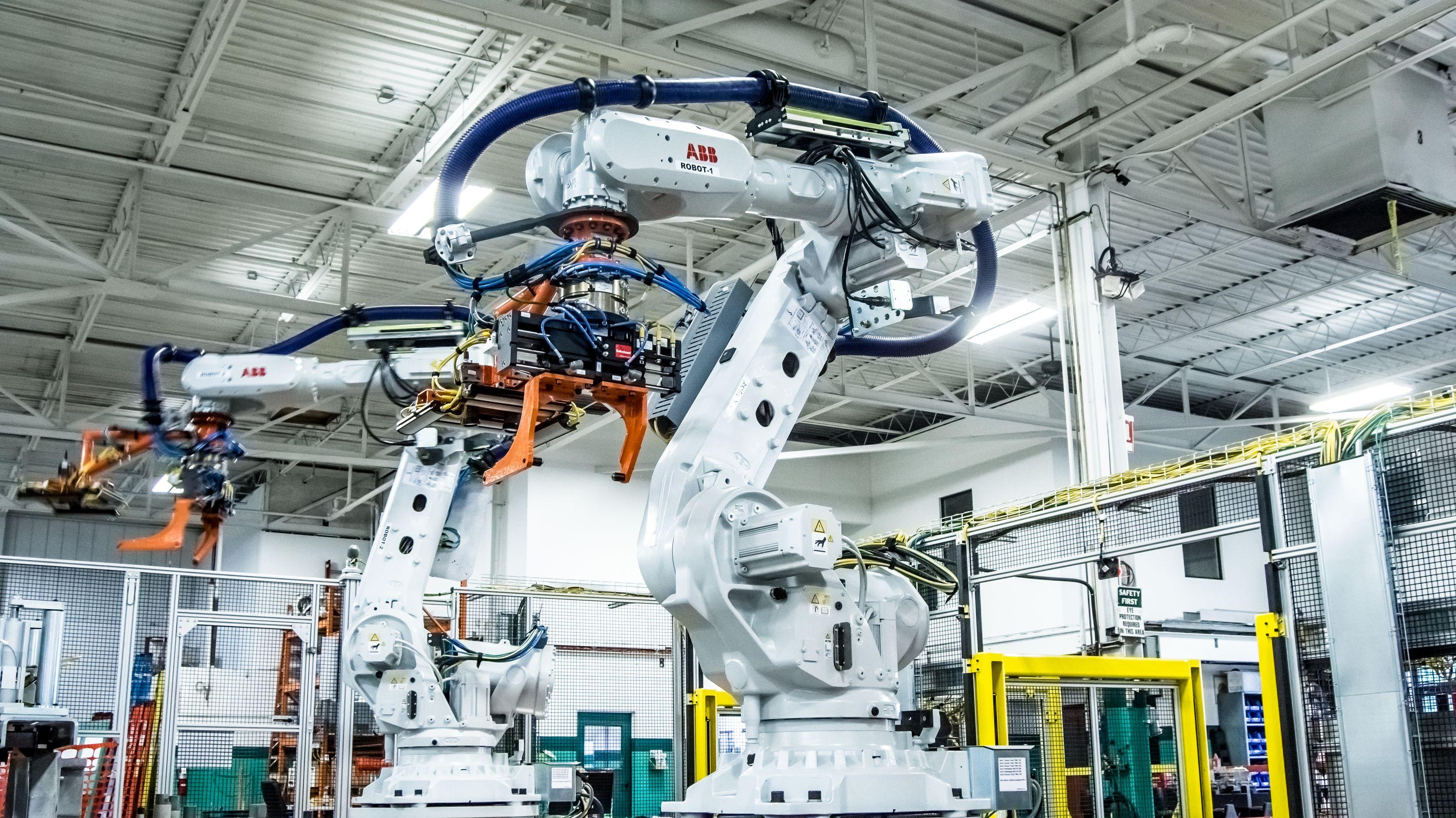
Artificial intelligence is moving beyond chatbots, digital assistants and software applications. Across Europe’s industrial sector, technology companies are developing systems that combine AI with robots, cameras, sensors and factory equipment to help machines respond more intelligently to the physical world.
This emerging field, often called physical AI, could change how factories manufacture products, how warehouses handle goods and how industrial businesses manage increasingly complex operations.
Recent developments underline the pace of change. On 15 October 2026, Swiss-Swedish engineering group ABB announced a new AI-powered solution for fashion logistics designed to make industrial robotics easier to deploy. Siemens, meanwhile, is preparing to showcase industrial AI applications at its Erlangen factory in Germany on 19 October, building on its collaboration with NVIDIA. Schneider Electric is also advancing AI-powered manufacturing and automation technologies.
These initiatives reflect a wider transformation in European industry. Instead of relying exclusively on robots programmed to repeat fixed movements, manufacturers increasingly want systems that can interpret visual information, respond to changing conditions and help employees manage production more efficiently.
For Europe, the opportunity is significant. The region has deep expertise in industrial engineering, factory automation, electrical systems and advanced manufacturing. Combining those capabilities with AI could strengthen its competitiveness in a global market increasingly shaped by intelligent machines.
However, the transition will require more than installing new robots. Businesses must also address costs, safety, cybersecurity, workforce training and the challenge of integrating AI into existing industrial operations.
What Is Physical AI?
Traditional industrial robots are generally programmed to perform specific tasks under defined conditions. They may weld components, move materials, assemble products or package goods with considerable speed and precision.
These systems can be extremely effective, but adapting them to a new product, unfamiliar object or changing production environment may require engineering work and additional programming.
Physical AI aims to make machines more adaptable by combining AI models with physical equipment and information from the surrounding environment.
For example, a robot equipped with computer vision could identify objects in different positions rather than relying entirely on fixed coordinates. An AI system could help interpret sensor data, recognise unusual conditions or support decisions about how a task should be performed.
This does not mean industrial robots can suddenly perform every task independently. Real-world systems still need defined operating limits, testing, reliable sensors and safeguards that protect people and equipment.
The key development is that AI is increasingly being used to improve how industrial machines perceive, interpret and respond to their environments.
That capability could be valuable in factories and logistics operations where products vary, production requirements change or traditional automation is difficult to adapt.
ABB Brings Physical AI to Fashion Logistics
One of the latest examples comes from ABB Robotics.
On 15 October 2026, ABB announced an industrial-grade, vision-based physical AI solution for fashion logistics. The company has integrated its AI Robot Trainer into its Fashion Inductor module to help system integrators deploy and optimise AI-powered applications.
Fashion logistics presents a practical automation challenge. Garments and other textile products can have different shapes, sizes and positions, making some handling tasks more difficult to automate reliably than operations involving standardised rigid objects.
AI-powered vision systems can help robots interpret what they see and respond to variations in the task.
According to ABB, its new solution can reduce engineering and commissioning effort by up to 75%. The figure is the company's stated performance claim, rather than a universal result guaranteed for every factory or installation.
If the technology delivers comparable improvements in suitable deployments, it could make automation projects easier to implement and scale.
This matters because industrial automation is not just about the price of a robot. Businesses must also pay for system design, integration, programming, testing and ongoing maintenance. Reducing these requirements could make some projects more commercially attractive.
ABB's announcement illustrates how physical AI is moving from a broad technology concept towards specific industrial applications.
Source: ABB's official announcement, 15 October 2026.
Siemens Is Turning Industrial AI into a Factory-Level Project
Germany's Siemens has long been involved in industrial automation, engineering software, digital twins and factory control systems.
Its strategy increasingly brings these capabilities together with AI.
A digital twin is a virtual representation of a physical product, machine, production line or facility. Engineers can use digital twins to simulate behaviour, test designs and investigate changes before implementing them in the real world.
When combined with AI, these environments can help companies explore different production scenarios, analyse operational data and develop more flexible manufacturing processes.
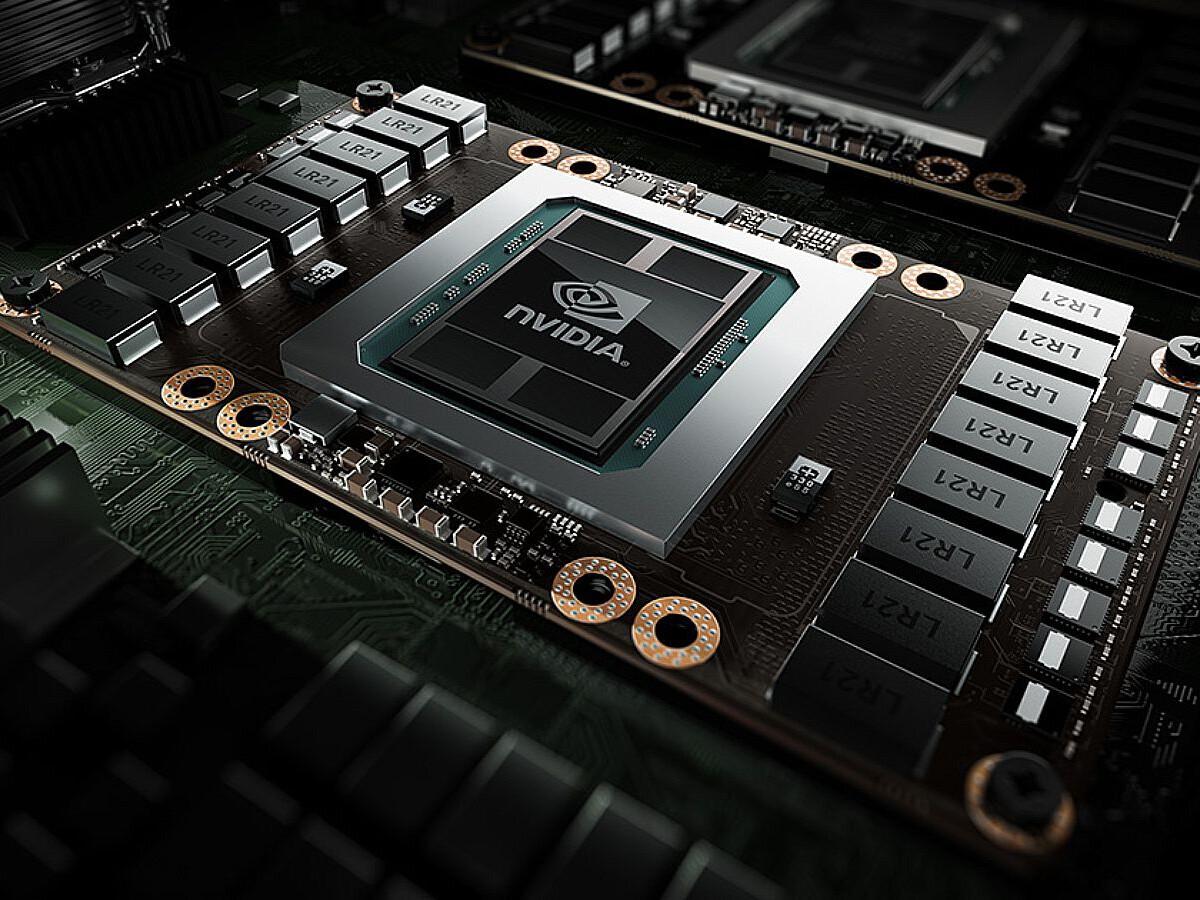
Siemens and NVIDIA have been working together on technologies intended to support more autonomous and adaptive manufacturing environments.
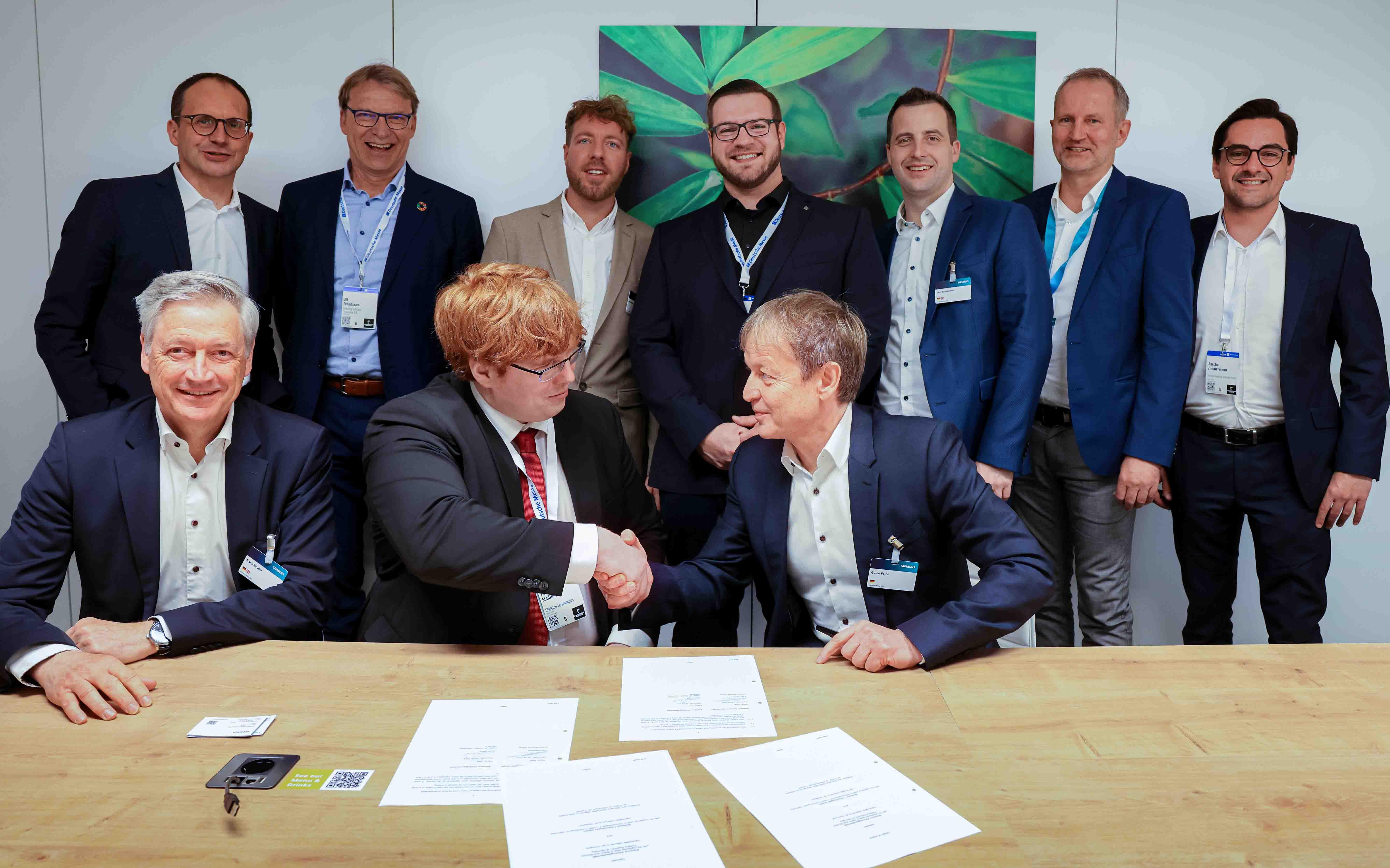
On 5 October 2026, Siemens announced a press event at its Erlangen factory scheduled for 19 October. The event is intended to demonstrate industrial AI applications in a real manufacturing setting, with the factory serving as a blueprint for the companies' broader ambitions.
As of this article's publication date, the event is still upcoming. Its planned demonstrations should therefore not be described as results already achieved.
The direction of the work is nevertheless important. Rather than treating AI as a separate application used by office employees, the companies are working towards integrating intelligence into industrial engineering and production systems.
If these technologies mature successfully, manufacturers could eventually use AI to support factory planning, product development, process optimisation and selected operational decisions within defined safety boundaries.
Source: Siemens' Erlangen industrial AI press hub.
Schneider Electric Is Connecting AI with Industrial Automation
Schneider Electric, the France-headquartered energy technology and automation company, is pursuing another important part of the industrial AI opportunity.
Factories need more than robots. They also depend on electrical distribution, energy management, control systems, industrial software and equipment that coordinates production.
Schneider Electric develops technologies across these areas, giving it an opportunity to connect AI-powered software with the systems that operate industrial facilities.
In April 2026, the company announced new agentic manufacturing capabilities developed through its collaboration with Microsoft. The initiative involves industrial AI and an industrial copilot designed to support engineering and manufacturing workflows.
Schneider Electric said its industrial copilot could reduce engineering time by up to 50% in the relevant workflows demonstrated by the company. As with other vendor-reported figures, actual results will depend on the application, implementation and operating environment.
The wider significance is the possibility of using AI to help engineers interpret technical information, prepare changes and manage complex industrial systems more efficiently.
For manufacturers, engineering changes can be time-consuming because production processes involve interconnected machines, control systems and safety requirements. Tools that help employees navigate this complexity could shorten some workflows.
However, AI-generated recommendations still need appropriate validation before being applied to systems that control physical equipment.
Source: Schneider Electric's industrial AI announcement.
Why Are Europe’s Industrial Giants Investing in AI?
The move towards industrial AI is driven by several commercial pressures.
1. Manufacturers want greater productivity
Factories must produce goods efficiently while maintaining quality. AI may help identify production bottlenecks, analyse equipment performance and support faster responses to changing conditions.
In some settings, predictive maintenance can also help identify signs of equipment deterioration before a failure interrupts production.
These applications depend on reliable data and effective implementation. AI cannot eliminate every breakdown or guarantee higher productivity, but it can provide additional tools for analysing complex operations.
2. Customisation makes automation more complicated
Manufacturers increasingly need to handle different product configurations, shorter production runs and changing customer requirements.
Fixed automation can work extremely well when tasks remain consistent. But adapting it to frequent changes may require time-consuming engineering.
AI-based vision and control systems could make certain operations more flexible, especially when objects vary in position or appearance.
This is one reason technologies such as ABB's vision-based logistics solution are attracting attention.
3. Industrial data is becoming a strategic asset
Factories generate large amounts of information through sensors, machines, production systems and quality-control processes.
Much of this data can be difficult to use effectively when it is spread across different platforms.
Industrial software and AI can help organisations analyse this information, identify patterns and connect insights with operational decisions.
Companies that combine reliable industrial data with engineering expertise may have an advantage over businesses that deploy AI without understanding their production environments.
4. Europe wants to remain competitive in advanced manufacturing
Europe has a substantial industrial base, including automotive production, pharmaceuticals, machinery, chemicals and electrical equipment.
Improving productivity in these sectors could help manufacturers respond to international competition, labour constraints and rising operating costs.
AI will not automatically resolve Europe's industrial challenges, but it offers another way to improve production processes and develop higher-value products and services.
What Could Smart Factories Look Like?
A smart factory is not simply a building filled with robots. It is a production environment in which machinery, software, sensors and people share information to support manufacturing operations.
An AI-enabled factory might use computer vision to inspect products, sensor data to monitor equipment and digital twins to test production changes.
An AI assistant could help a maintenance engineer interpret a technical manual or summarise information about a machine fault. Another system might analyse production data and recommend adjustments to reduce waste.
In more advanced applications, robots could adapt selected actions to changing physical conditions while remaining within defined operating boundaries.
The benefits could include faster troubleshooting, improved consistency, less unplanned downtime and more efficient use of materials.
Nevertheless, fully autonomous manufacturing remains a broader ambition rather than the reality of every industrial site. Many factories will adopt AI gradually, beginning with targeted applications that can demonstrate measurable value.
Human expertise will remain essential for maintenance, safety, system design, quality assurance and decisions involving significant operational consequences.
The Challenges That Could Slow Adoption
Despite the potential, industrial AI faces practical barriers.
High implementation costs: New equipment, integration work, software licences and employee training can require significant investment. Businesses need to evaluate whether expected benefits justify the expense.
Legacy systems: Many factories use equipment installed years ago. Connecting new AI applications to older machinery can be technically complicated and may require additional sensors or control-system upgrades.
Data quality: AI systems depend on suitable data. Incomplete records, inconsistent sensor readings or poorly labelled images can reduce reliability.
Cybersecurity: Connected machinery can create additional routes for attackers. Manufacturers need to protect operational technology, manage access permissions and plan for incidents.
Worker safety: AI-controlled equipment must be tested to ensure it operates safely around people. Manufacturers need suitable physical safeguards, emergency stops and procedures for unexpected behaviour.
Skills shortages: Businesses may need employees who understand industrial processes as well as data analysis, AI systems and automation. Training will be essential if workers are to use these technologies effectively.
These challenges explain why successful industrial AI deployment requires cooperation between technology suppliers, factory engineers, safety specialists and business leaders.
What Does the Industrial AI Revolution Mean for Startups?
The transformation also creates opportunities for European startups.
Large industrial technology companies can provide automation platforms, equipment and engineering expertise, but many individual problems require specialised solutions.
Startups may develop AI vision systems for quality inspection, software for predictive maintenance, digital-twin applications or tools that help factories analyse energy consumption.
Others may focus on making robots easier to program or helping smaller manufacturers connect older equipment to modern software.
The strongest opportunities are likely to come from solving clearly defined problems rather than adding AI to a product simply because the technology is attracting attention.
A startup that can demonstrate reduced downtime, improved product quality or measurable savings may have a more compelling proposition than one offering vague promises of autonomous manufacturing.
Industrial customers also tend to care deeply about reliability, integration, support and safety. Building trust can take time, particularly when a solution is connected to critical production operations.
For entrepreneurs, the market is promising, but technical performance must be matched by practical business value.
Conclusion: Europe’s Factories Are Entering a New AI Era
Developments from ABB, Siemens and Schneider Electric show how industrial AI is moving towards real manufacturing and logistics applications.
ABB's new vision-based solution for fashion logistics, Siemens' upcoming industrial AI showcase in Erlangen and Schneider Electric's AI-enabled manufacturing tools represent different approaches to the same broad challenge: making industrial operations more intelligent, adaptable and efficient.
The opportunity extends beyond robots. AI could help engineers design products, maintenance teams diagnose problems and factory managers make better use of production data.
But the transition will not happen overnight. Costs, legacy equipment, cybersecurity, safety and workforce skills will influence how quickly businesses adopt these technologies.
Europe has an established foundation in industrial engineering and automation. If its companies can combine that expertise with reliable AI systems and practical implementation, industrial AI could become an important source of competitiveness for the region.
The next stage of the revolution will be measured not by how impressive a demonstration looks, but by whether these systems deliver dependable results in real factories.