Digital Twins: How Virtual Models Are Transforming European Businesses
Digital Twins: How Virtual Models Are Transforming Business
Introduction: What If Businesses Could Test the Future Before It Happens?
Imagine a factory preparing to introduce a new production line. Before purchasing expensive equipment or reorganising the entire facility, its managers want to understand how the changes might affect output, energy consumption and production delays.
Traditionally, they might rely on engineering calculations, physical prototypes and limited testing. These methods remain important, but they can be expensive and time-consuming when a project involves many interconnected systems.
Now imagine creating a digital model of the proposed production line, using data to represent how the system operates and testing different scenarios before making major changes.
This is one of the opportunities offered by digital twin technology.
A digital twin is a digital representation of a real-world object, process or system. Depending on its design, it can combine information from sensors, software, engineering models and operational records to help users understand performance and explore possible improvements.
Digital twins are being explored across manufacturing, energy, construction, transport and other industries. For European entrepreneurs, they offer opportunities to develop specialised software, provide engineering services and help organisations make better decisions.
However, the technology is not simply about creating an impressive three-dimensional model. Its value comes from helping businesses answer practical questions, reduce uncertainty and improve the way they operate.
1. Understanding How Digital Twins Work
A digital twin connects a representation of a physical system with information about that system.
The physical asset could be a machine, a building, a vehicle or an entire production facility. Its digital counterpart may use engineering specifications, sensor readings, maintenance records and operational data to represent its condition or behaviour.
The sophistication of a digital twin can vary considerably.
A simple model might use historical information to estimate how equipment performs under different operating conditions. A more advanced implementation could receive frequent sensor updates and help engineers investigate developing problems.
Some digital twins also support simulation, allowing users to explore possible changes before applying them in the real world.
For example, a manufacturer might use a digital model to evaluate how changing a machine's operating speed could affect production output and energy consumption.
It is important to distinguish a digital twin from an ordinary three-dimensional model. A static model may show what a machine looks like, while a digital twin is designed to represent aspects of how the real system behaves, often using connected data.
Not every digital twin requires continuous real-time updates, artificial intelligence or highly sophisticated graphics. The appropriate design depends on the business problem.
For entrepreneurs, this creates flexibility. A useful solution may begin with a focused operational model and become more advanced as customer requirements develop.
2. Transforming Manufacturing and Industrial Operations
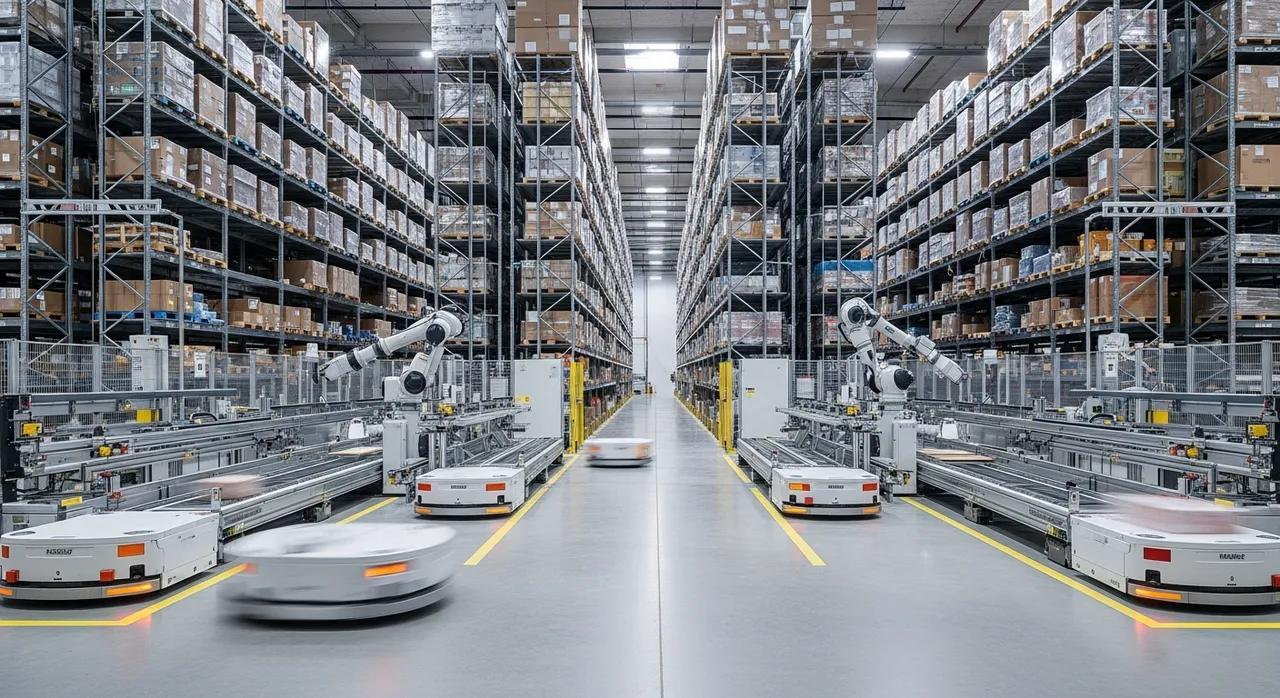
Manufacturing is one of the most promising applications of digital twin technology because factories contain complex systems that must operate reliably.
Production equipment, materials, workers and maintenance schedules all influence performance. A problem in one part of a facility can affect several other processes.
A digital twin can help engineers examine these relationships.
For example, a factory experiencing repeated production delays might create a digital representation of a selected production line. By combining production records with machine information, the team could investigate where bottlenecks occur and test possible adjustments.
The model might help compare different production schedules, identify inefficient workflows or estimate how additional equipment could affect output.
Digital twins can also support product development. Engineers may use virtual models to investigate how a product behaves under particular conditions before building multiple physical prototypes.
This can reduce some testing costs and shorten selected development activities, although physical testing remains essential wherever real-world validation is required.
For European manufacturers competing on quality, reliability and efficiency, these capabilities may be commercially valuable.
Startups can participate by developing industry-specific modelling tools, integrating existing systems or creating dashboards that make operational data easier to understand.
The strongest products will focus on a clearly defined industrial problem rather than attempting to simulate an entire factory without a compelling reason.
3. Predictive Maintenance and Reduced Downtime
Unexpected equipment failures can be expensive.
When a critical machine stops working, production may be interrupted, deliveries can be delayed and maintenance teams may need to respond urgently.
Digital twins can support maintenance planning by combining information about equipment condition, operating history and expected behaviour.
Suppose a manufacturer monitors the temperature, vibration and operating hours of a particular machine. A digital model could help engineers compare current measurements with historical patterns and investigate unusual changes.
When combined with appropriate analytical methods, these insights may help identify warning signs that deserve inspection.
The model does not automatically guarantee that a failure will be predicted. Sensor quality, data availability, model accuracy and the nature of the equipment all affect the result.
Nevertheless, helping businesses understand equipment performance can support more informed maintenance decisions.
For startups, there are several possible business opportunities.
A company could develop monitoring software for a particular class of industrial equipment. Another could help manufacturers integrate sensor data with maintenance systems. Engineering consultancies could offer digital modelling services to companies that lack internal expertise.
A focused solution for a specific industry may be easier to validate than a general-purpose predictive maintenance platform.
The commercial case should be measured using indicators such as unplanned downtime, maintenance expenditure, equipment availability and the cost of implementing the system.
4. Smarter Buildings and More Efficient Energy Use
Buildings consume energy through heating, cooling, lighting, ventilation and other systems. Their performance depends on factors such as occupancy, weather, equipment condition and how the building is managed.
Digital twins can help building operators understand these relationships.
A model of a commercial building might combine floor plans, equipment information, occupancy estimates and energy measurements. Operators could use the information to investigate inefficient systems and evaluate possible improvements.
For example, an office building might experience unnecessarily high heating and cooling costs because its systems do not respond effectively to changes in occupancy.
A digital model could help engineers examine alternative operating schedules and estimate their potential effects before implementing changes.
Such applications can be particularly relevant to commercial property owners, facility managers and organisations operating multiple buildings.
Entrepreneurs could develop tools for energy monitoring, building operations, maintenance planning or the integration of different building management systems.
However, the results depend on the quality of the underlying data and the accuracy of the model. A digital representation alone will not reduce energy consumption unless its findings lead to effective operational changes.
Businesses should also consider cybersecurity and privacy when connecting building systems or using occupancy-related information.
5. Transport, Infrastructure and Urban Planning
Digital twins can also help organisations understand large physical systems such as transport networks, bridges, railway infrastructure and urban environments.
These systems involve many interacting factors. Traffic patterns, weather, maintenance activities and changes in demand can all affect how infrastructure performs.
A digital model can help engineers investigate scenarios that would be difficult or expensive to test directly.
For example, transport planners might use simulation models to explore how proposed changes to road layouts could affect traffic movement. Infrastructure operators could combine inspection records and sensor information to improve their understanding of asset condition.
Cities may also use digital representations to support planning, although the scope and accuracy of these systems vary considerably.
For startups, opportunities include geospatial analytics, infrastructure monitoring, simulation software and data integration.
Entering this market can be challenging. Infrastructure projects may involve lengthy procurement processes, complex technical requirements and strict security expectations.
Entrepreneurs should identify the specific organisation that will use and pay for their solution, then establish what evidence it needs before adopting a new system.
Working with engineering firms, infrastructure operators or research institutions may help startups access the expertise and testing environments required to develop reliable products.
6. The Role of Artificial Intelligence in Digital Twins
Artificial intelligence can make certain digital twins more useful by helping users analyse large volumes of data, detect patterns and explore possible outcomes.
For example, machine-learning techniques might help estimate equipment performance under different operating conditions. An AI-assisted interface could also allow engineers to query operational data in natural language.
However, AI is not an essential component of every digital twin.
A well-designed engineering model may solve a problem without machine learning. In other cases, conventional statistical methods may be more appropriate than a complex AI system.
Entrepreneurs should select the technology based on the task rather than adding AI simply because it attracts attention.
They must also recognise that predictions are only as dependable as the data, assumptions and methods supporting them.
When a model informs safety-critical or expensive decisions, organisations should establish suitable validation procedures and human oversight.
A useful digital twin should make decisions easier to understand, not create another layer of complexity that users cannot trust.
7. The Challenges Businesses Must Consider
Despite its potential, digital twin technology is not suitable for every organisation or project.
One of the biggest challenges is data availability. A business may have information spread across outdated software, separate databases and equipment that was never designed to communicate with other systems.
Collecting, cleaning and connecting this information can require significant effort.
Integration costs are another consideration. A sophisticated digital twin may involve sensors, specialised software, engineering expertise and ongoing maintenance.
Businesses should also consider cybersecurity. Connected systems can create additional risks if access controls, software updates and network protections are inadequate.
The model itself requires maintenance. Equipment changes, operating conditions evolve and new information becomes available. A model that no longer reflects the physical system may produce misleading results.
Finally, organisations need people who understand both the technology and the business process it represents.
For these reasons, implementation should begin with a clear objective and a realistic assessment of cost, data quality and technical requirements.
A small, well-defined project often provides more useful learning than attempting to build a comprehensive digital twin immediately.
8. How Entrepreneurs Can Build a Digital Twin Business
Founders interested in this technology can approach the market through several routes.
Step one: Select a specific industry. Choose an area such as manufacturing, commercial buildings or equipment maintenance where you understand the customer's challenges.
Step two: Identify a measurable problem. Look for issues such as costly downtime, inefficient energy use, lengthy product testing or limited visibility into operational performance.
Step three: Understand the available data. Determine whether the customer has the sensor readings, engineering information and operational records required to build a useful model.
Step four: Start with a limited application. Model one machine, production line, building system or process rather than attempting to represent everything.
Step five: Validate the results. Compare model outputs with observed behaviour and test whether the insights lead to better decisions.
Step six: Establish the commercial value. Measure improvements in operating costs, equipment availability, testing time or another relevant business indicator.
Step seven: Develop a repeatable product or service. Once the approach works, standardise the implementation process so it can be delivered to similar customers.
Potential revenue models include software subscriptions, implementation fees, engineering consultancy and ongoing monitoring services. The right choice depends on customer needs and the amount of customisation required.
Entrepreneurs should also consider whether their target market has sufficient demand to support a scalable business.
9. Europe's Opportunity in Digital Twin Innovation
Europe has established capabilities in industrial engineering, automotive manufacturing, energy systems, research and advanced software development. These sectors can provide opportunities for digital twin applications.
The European Commission's research and innovation programmes include digital technologies and industrial transformation, while European research institutions and industry partnerships can help businesses explore new applications.
For founders, the opportunity is not necessarily to compete with large technology providers on every aspect of digital twin software.
A smaller company may succeed by solving a specialised problem for a particular type of manufacturer, building operator or infrastructure provider.
For instance, a startup could focus on digital models for refrigeration equipment, energy-intensive production processes or a specific category of industrial machinery.
Specialisation can help the company develop deeper industry knowledge and create solutions that fit existing customer workflows.
However, European market access does not remove the need for commercial validation. Founders must still understand procurement requirements, local customer needs, applicable data protection rules and the economics of implementation.
The best opportunities will combine strong technical execution with a clear understanding of how customers operate.
Conclusion: Turning Digital Models into Real Business Value
Digital twins are creating new ways for businesses to understand physical systems, test potential improvements and make decisions using better information.
Their applications range from manufacturing and equipment maintenance to building management, transport and infrastructure planning.
For entrepreneurs, this creates opportunities to develop specialised software, provide integration services and help organisations make practical use of their operational data.
But the technology's value does not come from creating the most detailed model or the most impressive visualisation.
It comes from solving a problem that matters.
A digital twin that helps a manufacturer reduce costly downtime or enables a building operator to identify avoidable energy consumption may deliver more practical value than a much larger system with no clearly defined purpose.
Founders should begin with a focused application, validate their assumptions and measure the results before expanding.
As businesses continue to connect physical operations with digital tools, entrepreneurs who can translate complex technology into clear commercial benefits will be well positioned to identify new opportunities.
The future of digital twins will be shaped not only by better models, but by the businesses that use them to make smarter, more informed decisions.